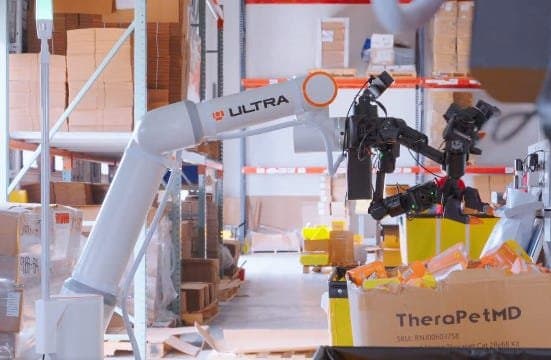
An examination of the critical intersection between advanced materials, manufacturing technologies, and infrastructure development, analyzing how these elements shape our industrial landscape.
In the intricate web of modern industrial production, the quality of materials, efficiency of manufacturing processes, and adequacy of infrastructure form the foundational pillars upon which technological progress rests. The recent convergence of geopolitical tensions, material science breakthroughs, and evolving infrastructure policies reveals a complex ecosystem where each element profoundly impacts the others.
The Critical Importance of Manufacturing Materials
At the heart of industrial advancement lies the often-unseen world of advanced materials, particularly in sectors like electrical transformers. The production of grain-oriented electrical steel (GOES) represents one of the most demanding metallurgical processes in heavy industry. This specialized material undergoes a remarkable transformation: slabs are reheated beyond 1,350 degrees Celsius to dissolve precipitate inhibitors, then cold-rolled to final gauge, and finally decarburized in wet hydrogen to reduce carbon content below 0.003 percent. The entire coil then enters a high-temperature box anneal at 1,200 degrees Celsius for five to seven days, during which Goss-oriented grains consume the matrix and grow to centimeters across sheets thinner than a credit card. Premium grades are further laser-scribed to refine magnetic domains and reduce losses by an additional ten to fifteen percent.
The unforgiving nature of this process highlights why even the best materials of yesterday may not meet today's standards. Consider the steel used in the RMS Titanic, which was likely the finest plain carbon ship plate available between 1909 and 1911. By modern standards, however, this material would be unacceptable for any construction purpose, particularly shipbuilding. This evolution in material requirements underscores how industrial progress continuously raises the bar for performance and reliability.
Infrastructure Challenges: From Housing to Global Supply Chains
Simultaneously, our infrastructure systems face unprecedented challenges. California's recent passage of SB-79 represents a significant policy shift aimed at addressing the state's self-inflicted housing shortage. This legislation rezones state land around busy public transport stops to allow taller residential buildings while imposing hefty fines on cities that attempt to deny such buildings permits. After more than a dozen amendments to appease rural lawmakers, unions, and tenant-rights groups, the bill's passage could mark a turning point for a state long constrained by restrictive zoning policies.
On a global scale, geopolitical tensions are creating ripple effects throughout supply chains. The ongoing situation in the Strait of Hormuz has led to shortages of battery ingredients, caused the world's top condom producer to plan price increases of 20-30% due to petrochemical supply disruptions, and prompted Lufthansa to cut 20,000 flights because of rising jet fuel costs. The potential need for up to six months to clear the strait of mines suggests these disruptions may persist, forcing industries to reassess their vulnerability to single points of failure in global supply networks.
The Evolving Manufacturing Landscape
Amidst these material and infrastructure challenges, the manufacturing sector itself is undergoing significant transformation. A debate has emerged about whether the United States is experiencing a stealth manufacturing boom. Data shows that since January 2025, manufacturing jobs have decreased by approximately 100,000 workers (roughly 0.6%), while manufacturing production has risen by 2.3% and shipments have climbed 4.2% when unadjusted for inflation. However, when adjusted for inflation, most manufacturing indicators show little to no growth, suggesting that the picture is far more complex than simple headline numbers might suggest.
Meanwhile, the global manufacturing landscape continues to shift with Chinese electric vehicle manufacturer BYD planning to open 20 dealerships in Canada this year, indicating the expansion of international manufacturing players into new markets. In semiconductor manufacturing, TSMC's decision to delay using ASML's latest High NA EUV machines due to their high cost creates an interesting strategic situation. This development raises questions about whether Intel, which has purchased several High NA machines, might gain a competitive advantage, or if Intel has overcorrected by adopting technology that may not yet prove cost-effective.
The evolution of established industrial brands also reflects changing market dynamics. The transformation of tool brands like Milwaukee and Craftsman over time illustrates how companies adapt to technological changes, market pressures, and shifting consumer expectations while maintaining their core identity.
Synthesis and Future Implications
These interconnected developments reveal several important trends for the future of industry. First, the increasing sophistication of materials like GOES demonstrates how specialized manufacturing processes create competitive advantages that are difficult to replicate. Second, infrastructure policies that enable development—such as California's housing reforms—will be crucial for supporting industrial growth and economic resilience. Third, the debate around manufacturing statistics highlights the need for nuanced analysis that goes beyond headline numbers to understand the true nature of industrial change.
As industries navigate these complex dynamics, the ability to balance technological advancement with practical considerations of cost, availability, and geopolitical risk will determine which organizations thrive. The companies that succeed will likely be those that recognize the interconnected nature of materials, manufacturing, and infrastructure, developing integrated strategies that address each element in harmony with the others.
The future of industry thus depends not on isolated technological breakthroughs alone, but on our ability to weave these advances into a cohesive system where materials enable manufacturing, manufacturing supports infrastructure, and infrastructure in turn facilitates further innovation. This virtuous cycle, when properly managed, creates the conditions for sustainable industrial progress that addresses both current challenges and future opportunities.
Comments
Please log in or register to join the discussion