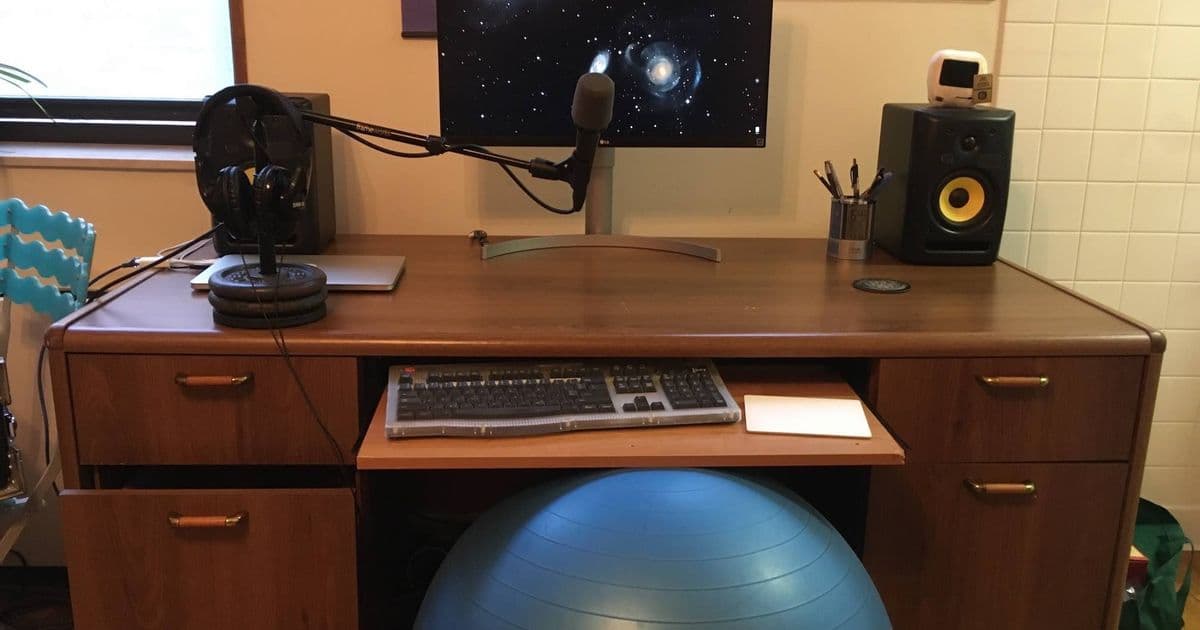
Discover how one audio engineer overengineered a professional Zoom setup using a DAW, virtual drivers, and hardware—unlocking pristine sound for remote collaborations. This deep dive reveals the technical wizardry behind routing, mixing, and eliminating compromises in virtual meetings, with implications for musicians, developers, and remote teams.
When the pandemic thrust remote work into the spotlight, Noah Liebman—an audio professional—faced a deceptively complex challenge: How could he use his studio-grade Shure SM57 microphone and guitar pickup seamlessly on Zoom calls without sacrificing audio quality? The answer evolved into a masterclass in audio routing, blending hardware ingenuity with software sorcery. What began as a personal project underscores a universal truth for developers and creatives: In the era of virtual collaboration, controlling your audio stack is not just a luxury—it’s a competitive edge.
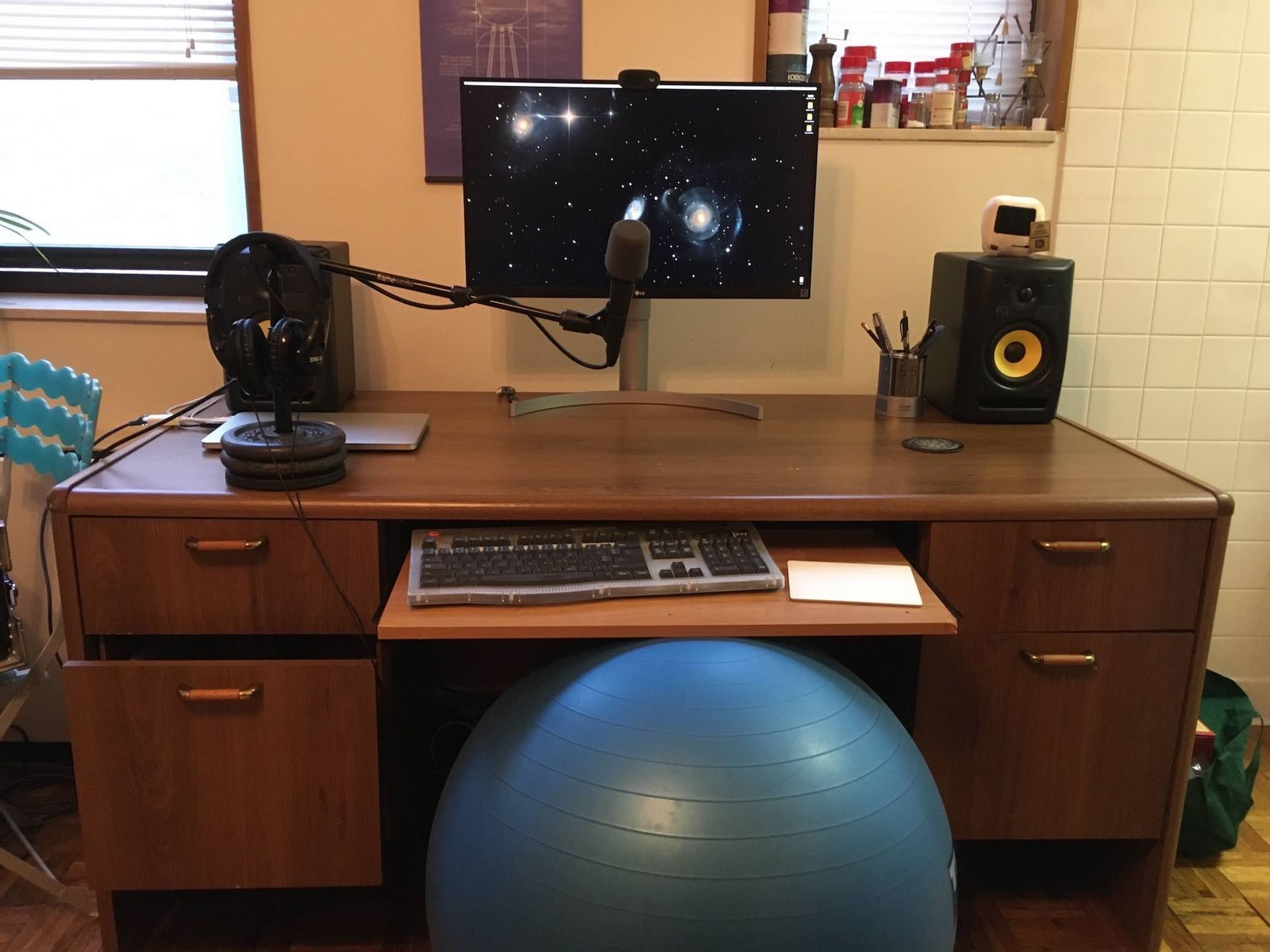
The Core Conundrum: Why Simple Solutions Fall Short
Standard video conferencing tools compress and process audio, stripping away nuance crucial for musicians or audio-sensitive workflows. Liebman’s goals were uncompromising:
- Mix multiple inputs (mic, instruments) via a Behringer UMC202HD audio interface.
- Monitor the mix in real-time through headphones.
- Route processed audio to Zoom while hearing call participants clearly.
- Eliminate echo and latency. As Liebman notes, "What a musician really wants" demands more than plug-and-play—it requires bending the system to your will.
Building the Audio Engine: BlackHole and Aggregate Devices
The linchpin? BlackHole, an open-source virtual audio driver enabling flexible channel routing. Liebman deployed two instances:
- BlackHole 2ch: Acts as Zoom’s "microphone," carrying processed output.
- BlackHole 16ch: Serves as Zoom’s "speaker," feeding call audio back into the system.
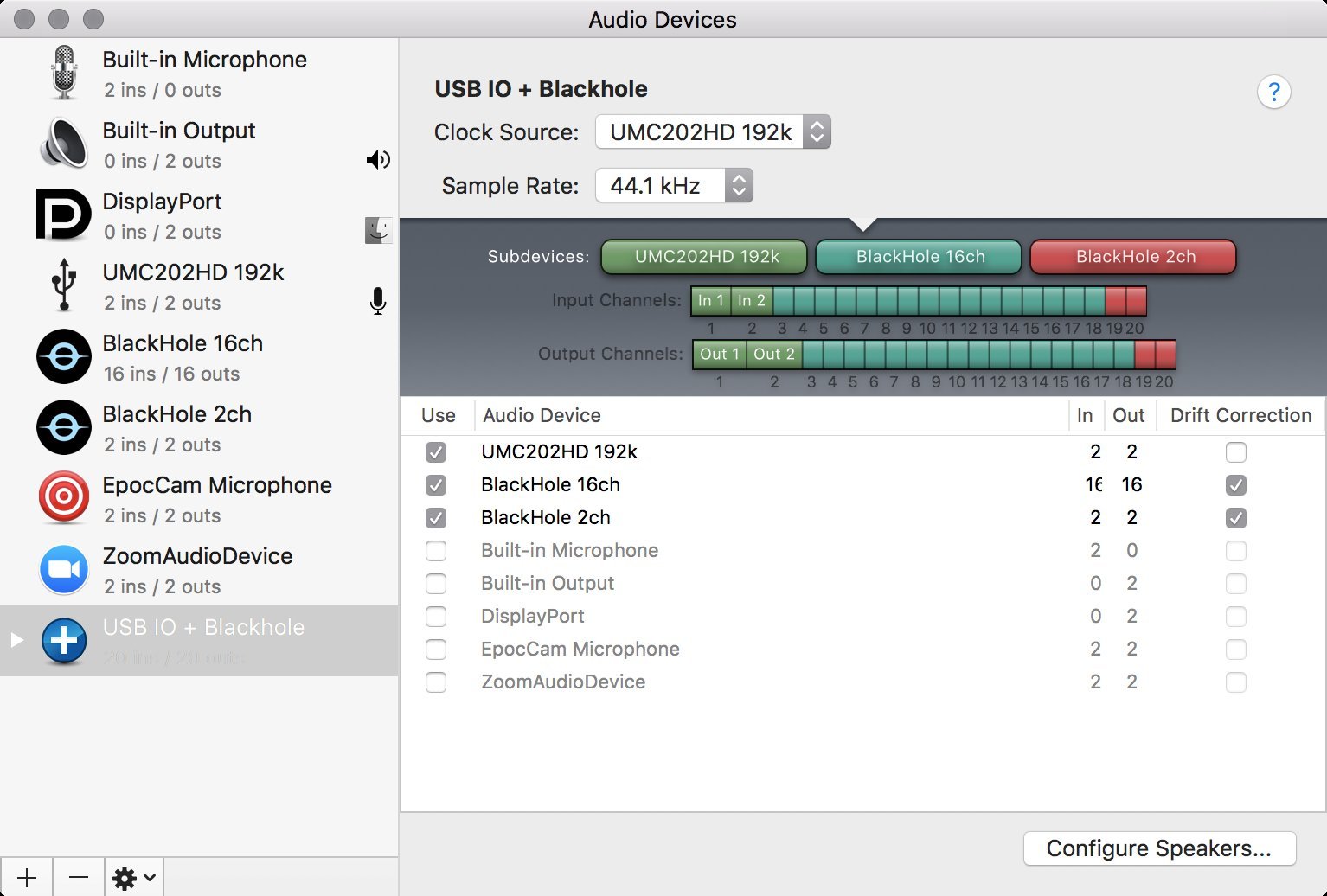 Aggregate device setup in Audio MIDI Setup, combining hardware and virtual interfaces.
Creating a unified interface required an aggregate device via macOS’s Audio MIDI Setup. This virtualized the Behringer interface and both BlackHole instances into a single 20-channel powerhouse, with the Behringer as the clock source to prevent drift.
DAW as the Control Center: Routing Magic in Reaper
Reaper (Digital Audio Workstation) became the nerve center. Key steps:
- Input Tracks: Each source (mic, guitar) gets a dedicated track with effects like noise reduction (for HVAC hum) and compression.
- Master Output: Routes to both headphones (via Behringer) and Zoom (via BlackHole 2ch).
- Zoom Audio Isolation: A dedicated track ingests far-end audio from BlackHole 16ch (channels 1–2), routing it directly to headphones—not the master—to avoid feedback loops.
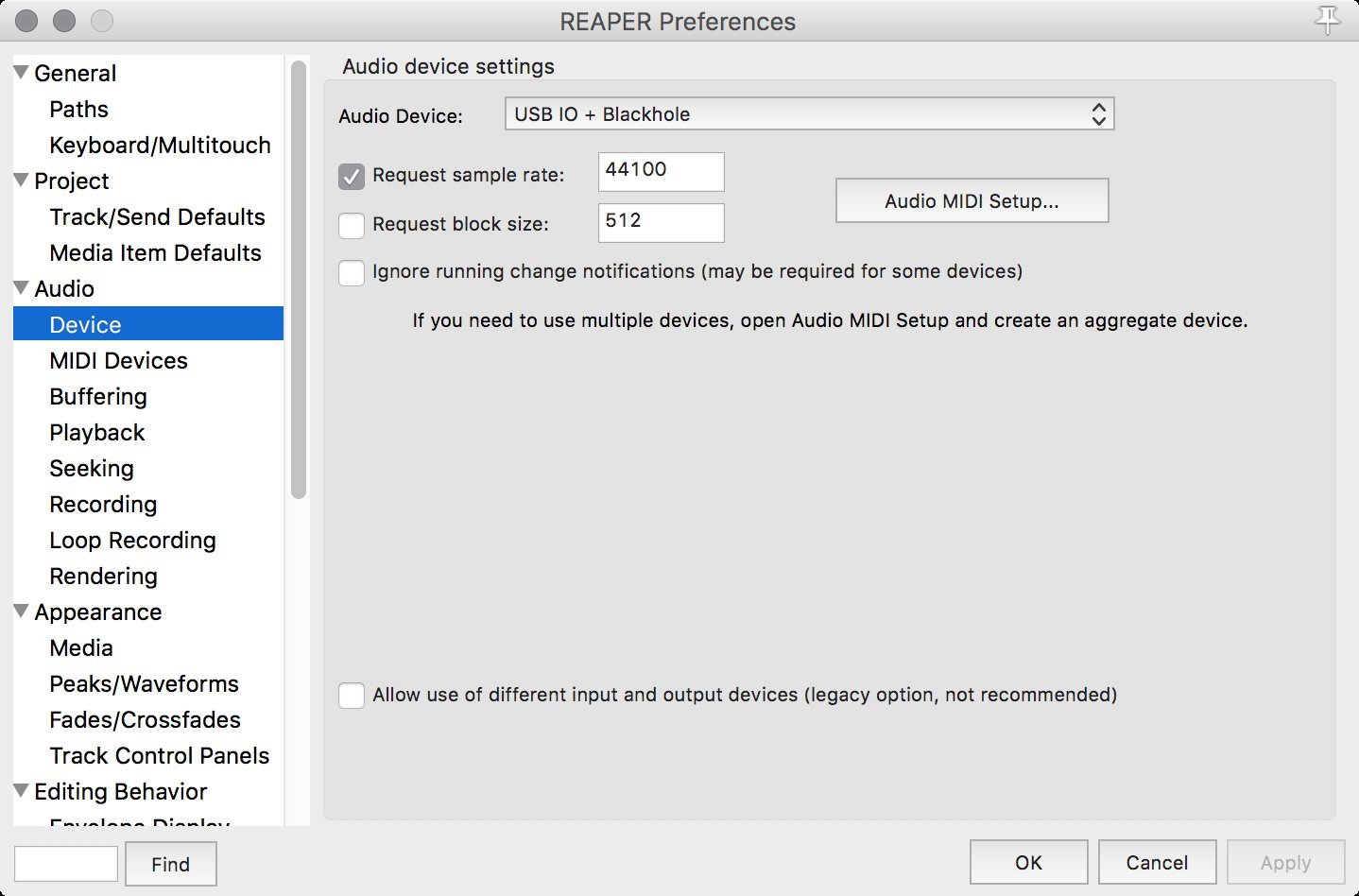 Reaper’s device preferences, critical for managing the aggregate interface.
Liebman emphasizes: "What you hear is what the far end hears," thanks to meticulous monitoring. Plugins transform raw input into broadcast-ready audio, a revelation for noise-plagued home offices.
Zoom’s Hidden Gems: Unleashing "Original Sound"
Configuring Zoom was straightforward but pivotal:
- Microphone: BlackHole 2ch
- Speaker: BlackHole 16ch
- Enable "Music and Professional Audio" mode to disable destructive processing like auto-gain and bandwidth limiting. As Liebman warns: "Why use a decent mic if Zoom butchers it?"
Advanced Tactics: System Sound and the Audio Hijack Evolution
For sharing computer audio without Zoom’s limitations, Liebman repurposed BlackHole 16ch channels 3–4. System output routed here, ingested into Reaper via a new track, keeping call audio (channels 1–2) and system sound separate. His 2023 update highlights a shift to Audio Hijack (Rogue Amoeba) for a more intuitive UI—proving the setup’s principles endure even as tools evolve.
Why This Matters Beyond the Hobbyist
This isn’t just about pristine guitar solos in meetings. It’s a blueprint for:
- Developers building real-time audio apps, understanding virtual drivers and low-latency routing.
- Remote Teams demanding high-fidelity communication for design critiques or pair programming.
- Security Implications: Tools like BlackHole expose how OS-level audio routing can be exploited or secured.
In an age where virtual interactions define professionalism, Liebman’s colophon is more than technical showmanship—it’s a manifesto for reclaiming control in a world of digital compromise. As he quips: "Happy calling!" might just mean happier coding, creating, and collaborating.
Source: Telephone colophon: Or, how I overengineered my call audio
Comments
Please log in or register to join the discussion