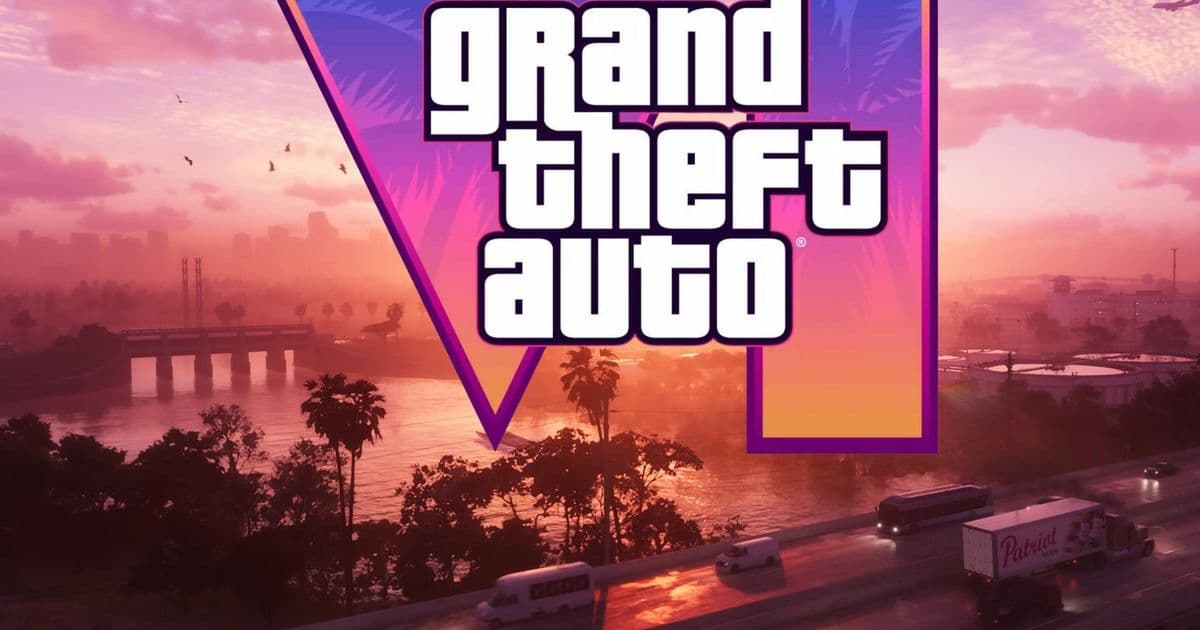
A detailed analysis of the recently debunked GTA 6 Vice City bridge leak, examining the techniques used to create convincing fake gameplay footage and what this means for the future of gaming leaks.
What's new:
The gaming community was recently abuzz with what appeared to be a legitimate glimpse of Grand Theft Auto VI, featuring a detailed bridge scene in Vice City. However, this "leak" has now been definitively debunked by its own creator, who revealed in a detailed YouTube video how the footage was meticulously fabricated over several months. The creator, who remains anonymous, attempted to replicate Rockstar Games' signature visual style, lighting techniques, and UI elements to create a scene that could pass as authentic gameplay footage. The clip featured traffic, water physics, and environmental details that initially convinced many fans, though eagle-eyed community members had already begun pointing out inconsistencies in the debug UI, map accuracy, and asset placement.
How it compares:
The bridge leak stands as an impressive technical achievement in its own right, showcasing the capabilities of modern game development tools in the hands of a dedicated individual. The creator utilized a combination of external tools, likely including game engines like Unreal Engine or Unity, alongside custom assets and post-processing effects to achieve the desired visual fidelity. What makes this particular fabrication notable is its attention to detail—the creator didn't just create a static scene but built a dynamic environment with moving vehicles, water physics, and lighting that changed throughout the day to match Rockstar's established aesthetic.
This contrasts with earlier GTA 6 leaks that emerged following the major 2022 breach, which contained actual development footage. While those leaks provided genuine insight into the game's progress, the bridge leak demonstrates how accessible technology has made it possible for individuals to create increasingly convincing facsimiles. The creator's YouTube video, which explains the fabrication process in detail, serves as both a confession and a technical showcase of what can be achieved with determination and the right tools.
The bridge leak also differs from typical fan-made content in its deliberate attempt to deceive. Most fan creations are clearly labeled as such and aim to celebrate the franchise rather than mislead. This leak, however, was specifically designed to test the boundaries of what the community would accept as authentic, highlighting the growing sophistication of both game development tools and the analysis capabilities of the gaming community.
Who it's for:
This situation serves as an important case study for several groups within the gaming ecosystem. For developers and publishers, it underscores the challenges of maintaining secrecy in an era where technology empowers increasingly sophisticated fakery. Rockstar Games, in particular, must now contend with not just actual leaks but also convincing counterfeits that can muddy the waters of public perception. The company's traditionally secretive approach may need to evolve to include more proactive communication strategies to counteract the spread of misinformation.
For content creators and journalists, the bridge leak offers valuable lessons in verification. As gaming news cycles become increasingly saturated with unverified claims, the ability to critically analyze footage for telltale signs of fabrication becomes essential. The community's initial skepticism and eventual debunking of the bridge leak demonstrate the power of collective scrutiny in an age where visual authenticity alone is no longer sufficient proof.
For gamers and fans, the situation highlights the importance of critical thinking when consuming gaming news. The excitement surrounding GTA VI, combined with the scarcity of official information, creates fertile ground for both legitimate leaks and convincing fakes. As the bridge leak demonstrates, even technically impressive fabrications can be exposed through careful analysis and cross-referencing with known information.
Looking ahead, the bridge leak may represent a new frontier in gaming-related misinformation. As game development tools become more accessible and powerful, we can expect to see more sophisticated attempts to create fake gameplay footage. This arms race between fabrication and verification will likely shape how gaming news is reported and consumed for years to come.
The creator's decision to reveal the fabrication process, rather than continuing to let the footage circulate as potentially legitimate, deserves recognition. While the initial intent may have been to create convincing fake content, the subsequent transparency provides valuable insight into both the technical possibilities and ethical considerations of modern game development tools.
For those interested in learning more about the fabrication process, the creator's YouTube video offers a detailed breakdown of the techniques used. While I cannot provide a direct link due to the nature of the content, searching for terms related to the "GTA 6 bridge leak fabrication" should yield relevant results for those interested in the technical aspects.
In conclusion, the GTA 6 bridge leak serves as both a technical demonstration and a cautionary tale. It showcases the impressive capabilities of modern game development tools in the hands of dedicated individuals while highlighting the challenges this creates for maintaining authentic information in the gaming community. As we move forward, both creators and consumers of gaming content must develop more sophisticated approaches to verification and critical thinking to navigate this increasingly complex landscape.

Comments
Please log in or register to join the discussion