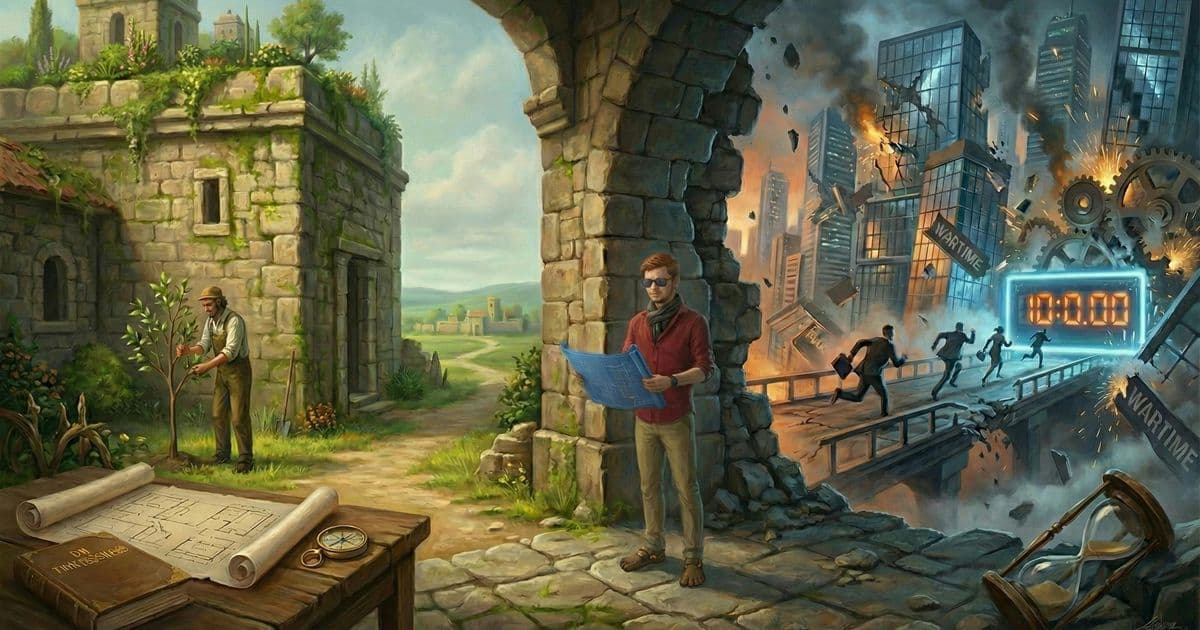
Engineer Jack Bradshaw advocates for deliberate, timeless software design rooted in human needs, critiquing tech's 'wartime' rhetoric and its ties to unsustainable greed-driven development cycles.
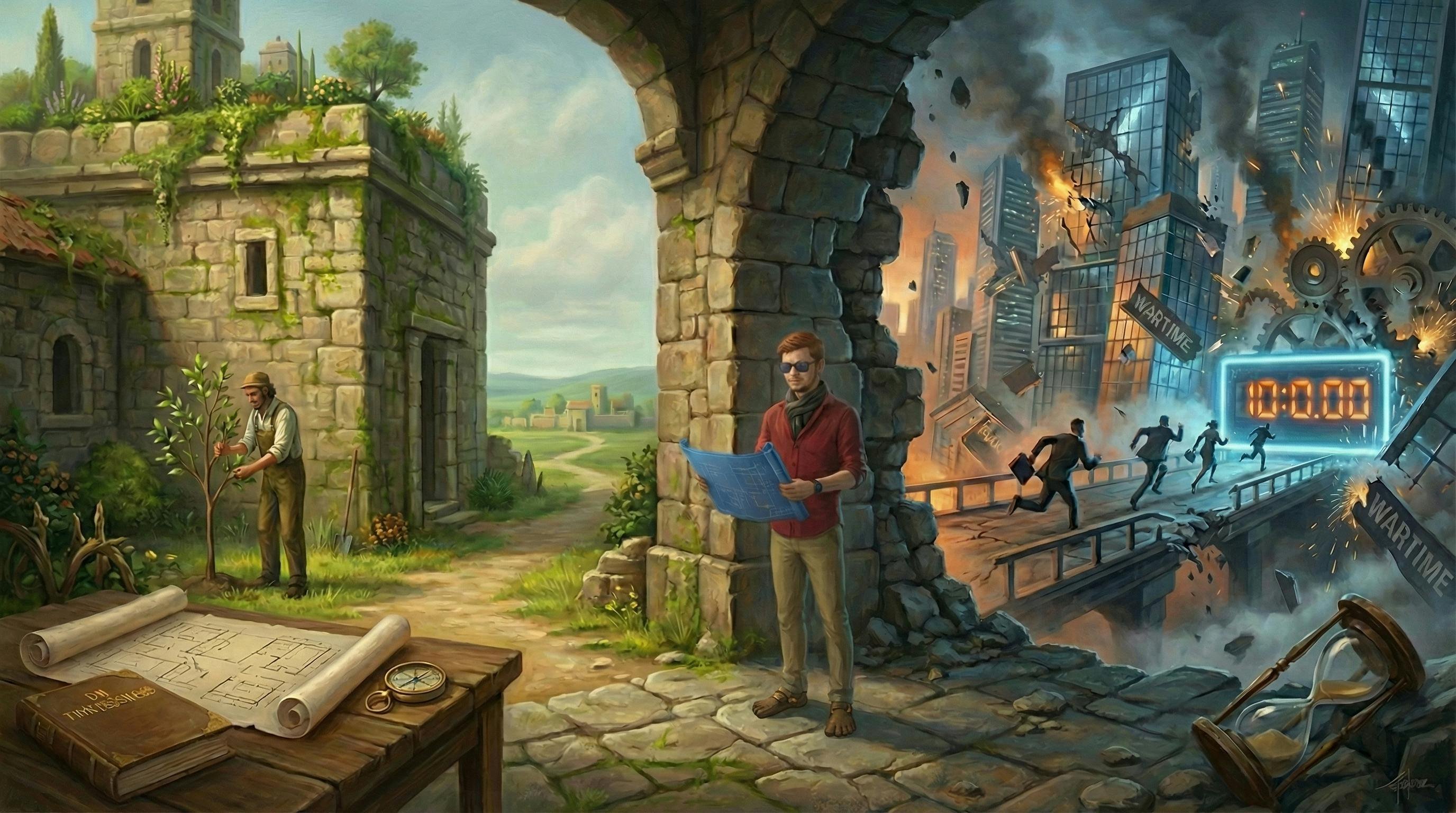
Software engineering should prioritize timeless solutions over rapid pivots, argues engineer Jack Bradshaw in a manifesto challenging tech industry norms. His central thesis contends that valuable software addresses fundamental human needs through sustainable design rather than chasing fleeting market opportunities.
Bradshaw observes that meaningful engineering projects endure because they're anchored in unchanging aspects of human nature. "We are fundamentally the same people we have been since the dawn of the Neolithic era," he writes, advocating for solutions designed to serve users across generations. This approach requires deep consideration of edge cases, resilience to change, and architectures that evolve incrementally without requiring constant reinvention.
The article sharply criticizes the "wartime" rhetoric that permeated tech circles during the 2022 AI boom. Bradshaw traces this terminology to venture capital narratives framing business as perpetual conflict, where employees become disposable assets in zero-sum competition. He dismantles the analogy: "War is not a time when profits are down and competition is fierce; no, war is nothing more than missing parents, dead children, and ruined dreams."
Bradshaw identifies greed as the engine behind unsustainable development cycles, noting that artificial urgency benefits short-term profiteers while leaving "discarded husks of genius" in its wake. He urges engineers to reject this mindset: "Their dollars are not worth your future." Instead, he champions conscientious design that considers users 1,000 years from now, arguing that true innovation thrives when detached from manufactured deadlines.
The piece concludes with a call to examine motivations: "Ask yourself: Who will benefit from your life, who will suffer, and what will be left standing when you are gone?" This philosophical framing positions sustainable engineering as both technical practice and moral imperative.
Proof of Usefulness Hackathon, mentioned at the article's close, offers an alternative model by rewarding projects demonstrating long-term utility—aligning with Bradshaw's thesis that enduring value outweighs transient gains.
Comments
Please log in or register to join the discussion