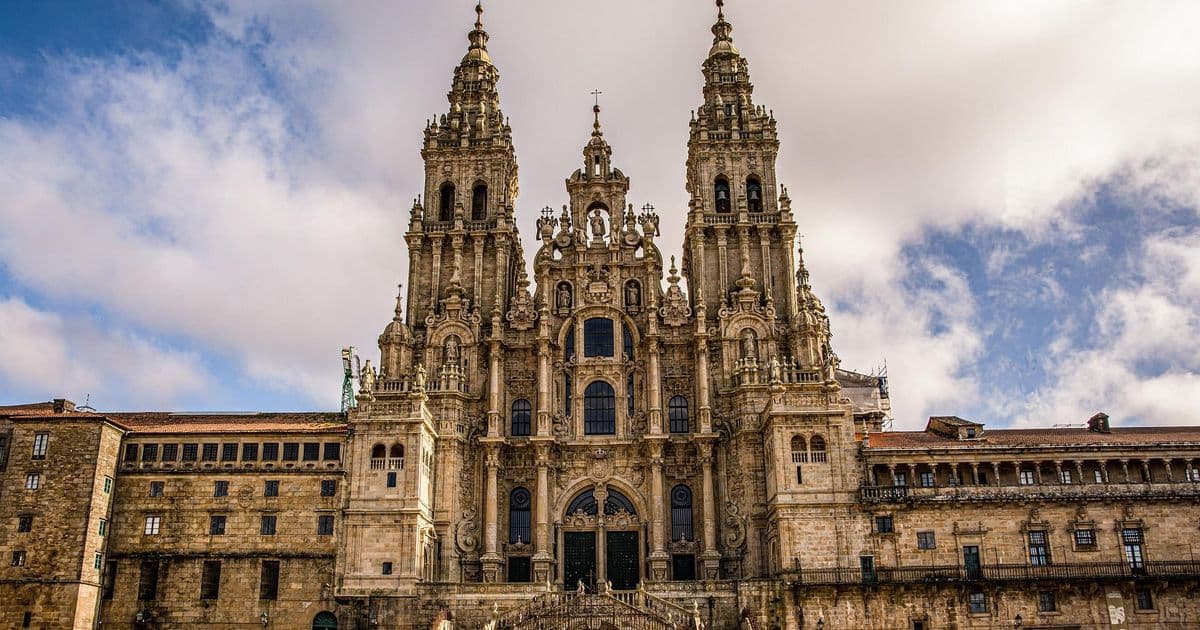
An analysis of how open source development evolved from exclusive 'cathedrals' to foundation-led 'megachurches,' while the chaotic 'bazaar' of independent maintainers remains the unseen backbone of modern infrastructure.

The enduring metaphor from Eric S. Raymond's seminal 1997 essay The Cathedral and the Bazaar framed open source's evolution as a triumph of decentralized collaboration over proprietary silos. Yet decades later, this binary view requires reassessment. Contemporary open source ecosystems operate across three distinct models—each with profound implications for security, sustainability, and innovation.
From Cathedral to Megachurch: Institutionalization of Open Source
Raymond positioned early GNU projects as hierarchical "cathedrals" contrasted against Linux's participatory "bazaar." But modern successors like the Linux Kernel, Python, Apache Foundation, Rust, and Node.js have outgrown bazaar informality. These now operate as institutionalized megachurches: structured foundations enforcing contribution policies, licensing frameworks, and corporate sponsorship systems. The Linux Foundation alone manages over $400 million in annual funding, while smaller entities like the Python Software Foundation operate with multimillion-dollar budgets. Contributions require adherence to strict governance—code provenance audits, copyright assignments, and demonstrated community diversity. This model brings stability: paid maintainers, legal safeguards, and corporate accountability. Yet it also creates gatekeeping; donating projects demands conformity to institutional standards many smaller efforts cannot meet.
The Unseen Bazaar: Chaotic Backbone of Modern Infrastructure
Contrary to popular perception, foundation-backed projects represent a minority of open source. As quantified in the analysis Open Source is One Person, over 70% of critical npm and PyPI packages rely on single maintainers. This is the enduring bazaar—a sprawling ecosystem where individuals operate without formal governance, licensing rigor, or funding pipelines. These maintainers prioritize functionality over process, often publishing solutions to immediate problems without long-term sustainability plans. Thomas Depierre's essential analysis You Are All On The Hobbyists Maintainers’ Turf Now argues this decentralized model isn't an anomaly but the default state underpinning digital infrastructure. The friction arises when megachurch expectations (like standardized security practices) collide with bazaar realities, where maintainers lack resources for compliance.
Funding the Unfunded: New Models for Sustainability
The bazaar's systemic importance demands sustainable support structures. Traditional foundations struggle to fund fragmented maintainers, a challenge Depierre details in The Hobbyist Maintainer Economic Gravity Well. Emerging solutions include Germany's Sovereign Tech Fund, providing no-strings-attached funding for critical infrastructure projects, bypassing bureaucratic overhead. Policy frameworks also evolve; the Atlantic Council's 2023 report Avoiding the Success Trap proposes treating open source as public infrastructure with government investment. These approaches acknowledge that while megachurches excel at scaling established projects, the bazaar's organic innovation requires different support—microgrants, incident response teams, and dependency mapping.
Engaging with the Bazaar: A Call to Action
Open source's future hinges on recognizing all three models' interdependence. Megachurches provide enterprise-grade stability, but the bazaar remains where foundational tools emerge. Practitioners should actively explore beyond prominent foundations: audit dependency trees in their projects, document uncritical maintainers, and contribute bug reports or documentation. Where possible, allocate resources via platforms like GitHub Sponsors or Open Collective. As infrastructure increasingly rests on hobbyist-maintained code, systemic support shifts from philanthropic gesture to technical necessity. The bazaar wasn't designed—it grew. Its survival requires intentional stewardship.
Comments
Please log in or register to join the discussion