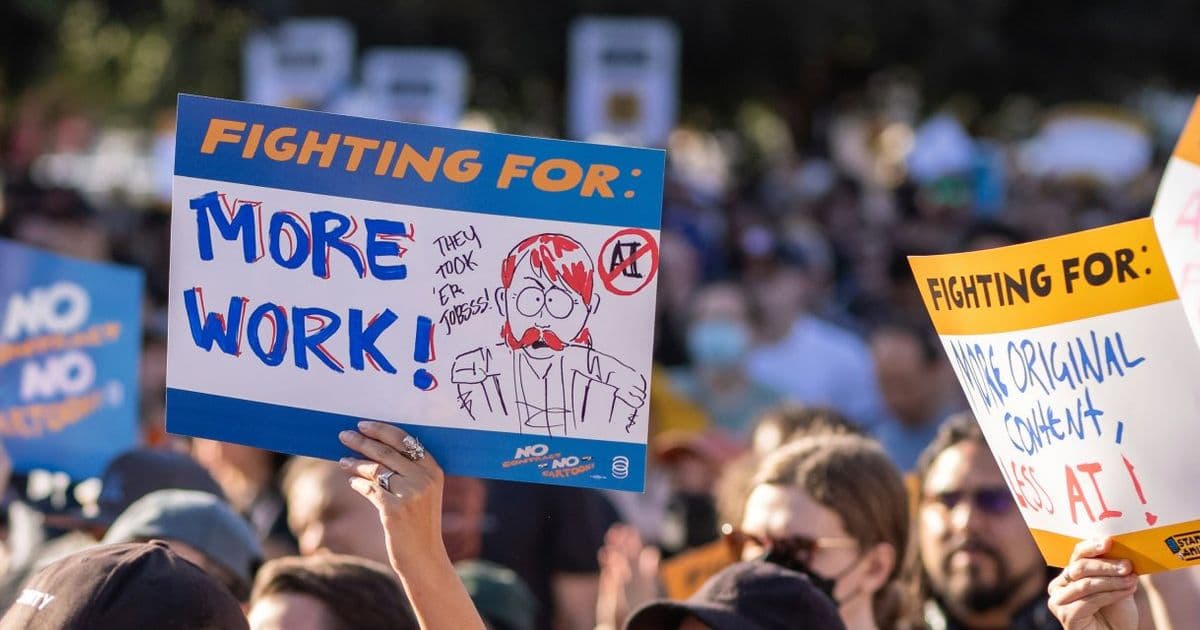
Block's plan to lay off over 4,000 employees citing AI automation adds to growing concerns about AI-driven job displacement among white-collar workers.
Block, the payments company formerly known as Square, is planning to lay off over 4,000 employees, citing AI work automation as a key factor in the decision. The move adds to growing angst among white-collar workers over AI's potential for job disruption, according to sources familiar with the matter.
The Scale of the Cuts
The layoffs represent a significant portion of Block's workforce, though the exact percentage hasn't been disclosed. The company has been investing heavily in AI and automation technologies across its various business units, including Cash App, Square, and its blockchain initiatives.
AI as the Primary Driver
According to internal communications reviewed by the Wall Street Journal, Block executives specifically cited AI automation as the reason for the workforce reduction. The company claims that AI tools can now handle many tasks previously performed by human employees, particularly in customer service, data analysis, and routine financial operations.
Industry-Wide Trend
Block's decision reflects a broader trend across the tech industry, where companies are increasingly turning to AI to reduce labor costs and improve efficiency. Similar layoffs have been announced at other major tech firms, though Block's explicit connection between AI and job cuts has drawn particular attention.
Worker Backlash
The announcement has sparked concern among white-collar workers across various industries who fear their jobs may be next. Social media platforms and professional networks have seen increased discussion about AI's impact on employment, with many workers expressing anxiety about their future prospects.
Economic Implications
Economists warn that widespread AI-driven layoffs could have significant economic consequences. While automation may increase productivity and reduce costs for companies, it could also lead to reduced consumer spending and economic instability if large numbers of workers are displaced.
Regulatory Scrutiny
The layoffs come as governments worldwide are beginning to examine the impact of AI on employment. Some policymakers have called for regulations to protect workers from rapid automation, while others argue that technological progress should not be hindered.
Company Response
Block has stated that it will provide severance packages and job placement assistance to affected employees. The company also announced plans to invest in retraining programs for remaining staff to help them adapt to working alongside AI systems.
Industry Expert Reactions
Technology analysts have mixed views on the long-term implications of AI-driven layoffs. Some see it as a necessary evolution of the workforce, while others warn of potential social and economic disruption.
The Future of Work
The Block layoffs highlight the ongoing debate about the future of work in an AI-driven economy. While some jobs may be eliminated, new roles are likely to emerge as companies adopt and integrate AI technologies.
Worker Adaptation Strategies
Career experts recommend that workers focus on developing skills that complement AI rather than compete with it. This includes creative problem-solving, emotional intelligence, and the ability to work effectively with AI systems.
Corporate Responsibility
The situation raises questions about corporate responsibility in the age of AI. Some argue that companies have an obligation to consider the broader societal impact of their automation decisions, while others maintain that businesses must prioritize efficiency and competitiveness.
Global Competition
The push for AI automation is partly driven by global competition, as companies race to implement new technologies to remain competitive. This dynamic may accelerate the pace of workforce changes across industries.
Long-term Outlook
While the immediate impact of AI on employment is causing concern, many experts believe that the technology will ultimately create more jobs than it eliminates. However, the transition period may be challenging for many workers.
Policy Considerations
The Block layoffs may prompt policymakers to accelerate discussions about how to manage the economic transition to an AI-driven economy. This could include considerations of universal basic income, job retraining programs, and other social safety net measures.
Employee Morale
The announcement has reportedly affected morale among remaining Block employees, with some expressing concern about their own job security. The company has emphasized its commitment to its workforce while pursuing automation initiatives.
Market Reaction
Investors have generally reacted positively to news of AI-driven efficiency improvements, though some analysts caution that rapid workforce reductions could have negative long-term consequences for company culture and innovation.
Industry Comparisons
Block's approach to AI-driven layoffs is being compared to similar moves by other tech companies. Some firms have been more gradual in their automation efforts, while others have moved more aggressively.
The Human Element
Despite the efficiency gains promised by AI, many experts emphasize the importance of maintaining human oversight and judgment in critical business processes. The challenge lies in finding the right balance between automation and human expertise.
Looking Ahead
As AI technology continues to advance, more companies are likely to face similar decisions about workforce optimization. The Block layoffs may serve as a case study for how other organizations approach this transition.
Conclusion
The Block layoffs highlight the complex challenges facing both companies and workers as AI technology reshapes the employment landscape. While automation offers significant benefits in terms of efficiency and cost reduction, it also raises important questions about the future of work and the role of human employees in an increasingly automated economy.
The situation underscores the need for careful consideration of how to manage the transition to an AI-driven workforce, including support for affected workers and strategies for maintaining economic stability during periods of significant change.
Comments
Please log in or register to join the discussion