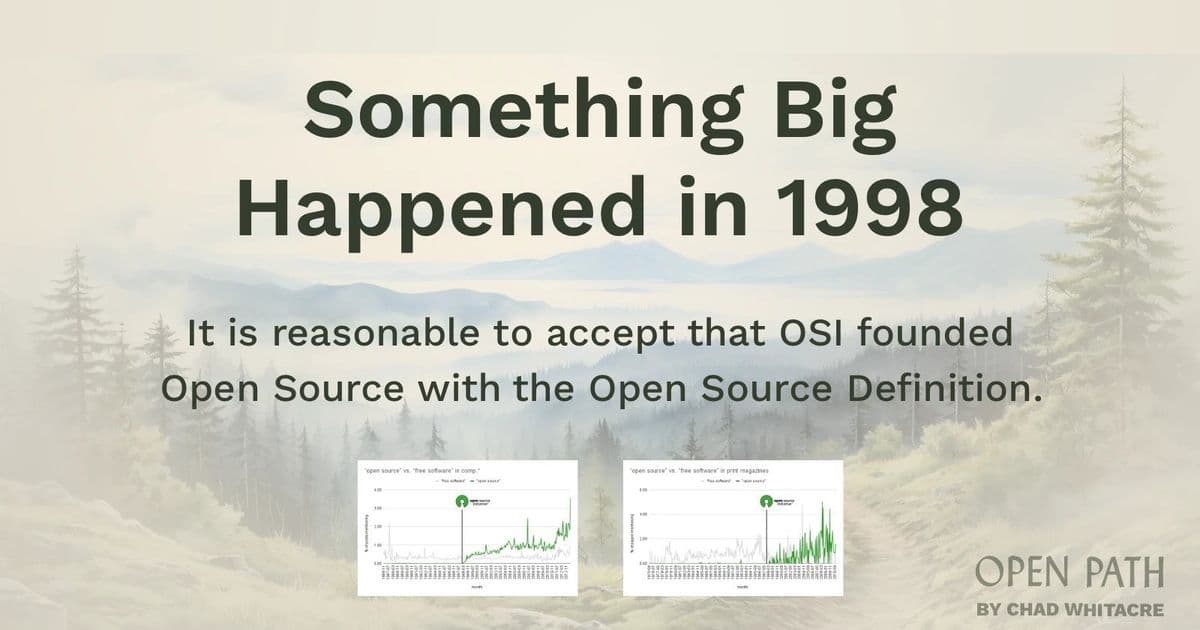
New linguistic analysis debunks claims that 'open source' was widely used before 1998, revealing how the Open Source Initiative catalyzed the term's adoption. Historical data from books, magazines, and Usenet shows usage exploded by over 19,000% following OSI's founding, settling a heated licensing debate. This research reshapes our understanding of software history amid modern licensing controversies.
The Etymology War: Unpacking Open Source's Origin Story
The recent launch of 37signals' source-available product—marketed as 'open source' despite violating the Open Source Initiative's (OSI) official definition—ignited fierce debate about who controls software terminology. Central to this controversy is David Heinemeier Hansson's claim that OSI failed to trademark 'open source' because the term was "already in wide circulation" before their 1998 founding. But does historical evidence support this narrative?
The Data-Driven Rebuttal
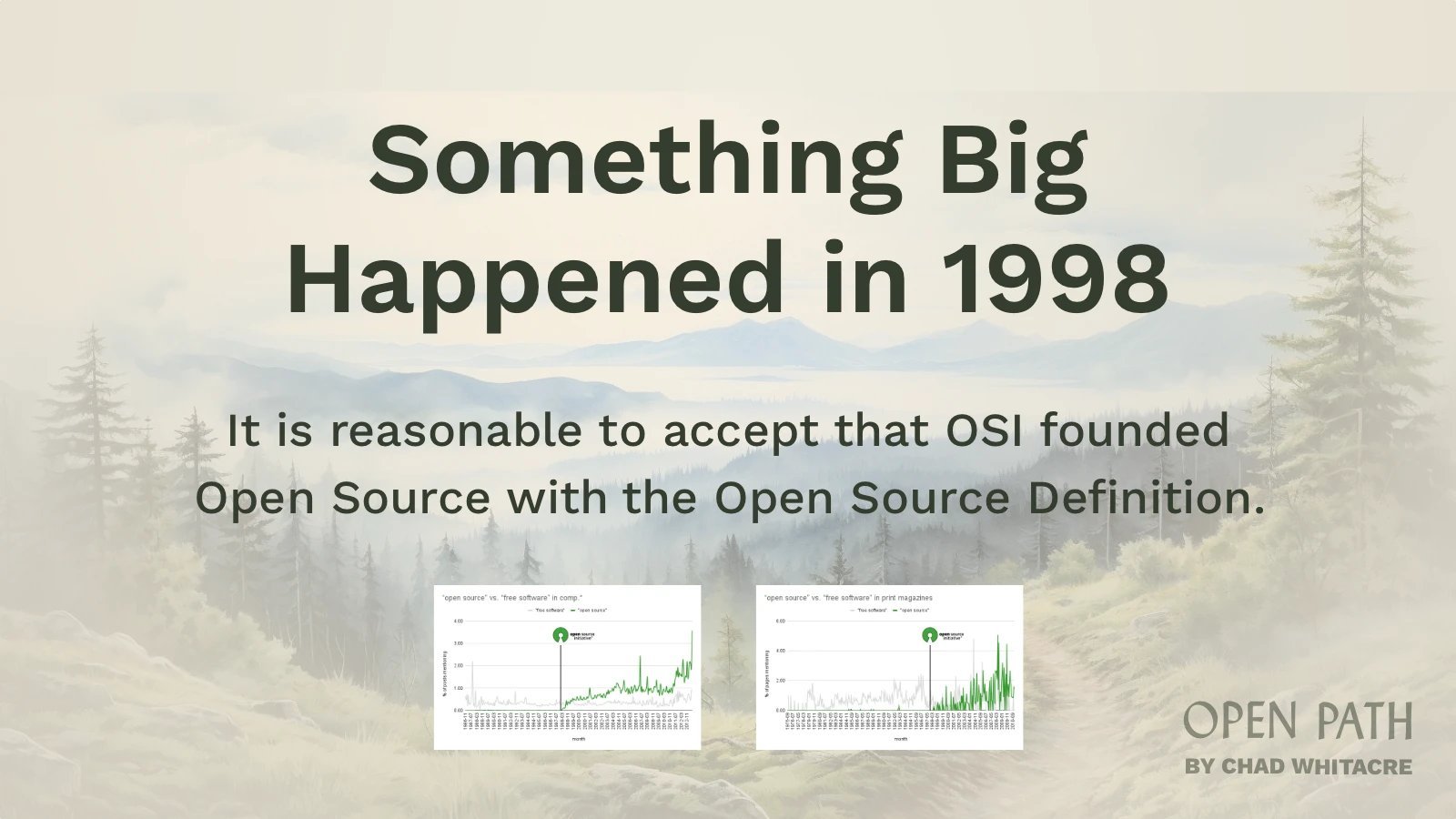
Through exhaustive analysis of linguistic footprints across multiple archives, developer Chad Whitacre presents compelling evidence that 'open source' was virtually absent from technical discourse pre-1998:
Book Archives: Google's English book corpus shows negligible 'open source' mentions before 1998, with usage exploding precisely when OSI introduced its Open Source Definition (OSD). {{IMAGE:2}}
Tech Magazines: Scans from PC Magazine, PC World, and Byte reveal near-zero references to 'open source' throughout the 1980s and early 1990s, despite extensive coverage of software development. {{IMAGE:3}}
Usenet Archives: Analysis of 53 million comp.* group posts shows only 0.004% mentioned 'open source' pre-OSI versus 0.686% post-founding—a 19,282% increase. This technical forum's silence is particularly telling. {{IMAGE:4}}
The Netscape Memo That Changed Everything
The starkest evidence comes from Netscape engineer Frank Hecker's internal memo advocating source code release—written months before OSI's formation. Its November 1997 version contained one 'open source' mention. The May 1998 revision? 305 references, explicitly tied to OSI's newly published definition.
"This wasn't gradual adoption—it was a phase change," notes Whitacre. "The Hecker memo captures the exact moment when 'open source' became a movement with shared meaning."
{{IMAGE:5}}
Why Etymology Matters in Modern Licensing Debates
The data conclusively shows OSI didn't appropriate an established term—they defined and popularized it. This historical clarity matters as companies like 37signals challenge OSI's authority. As licensing expert Kyle Mitchell observed:
"Debate about 'open source' must be won by reason and suasion, not harassment and naked claims to authority."
While OSI's stewardship remains imperfect, this research affirms their foundational role. For developers navigating today's source-available licensing landscape, understanding that 1998 watershed—when collaboration norms were codified—provides crucial context for evaluating modern licensing innovations like Fair Source.
Source: Analysis based on research by Chad Whitacre at openpath.quest
Comments
Please log in or register to join the discussion