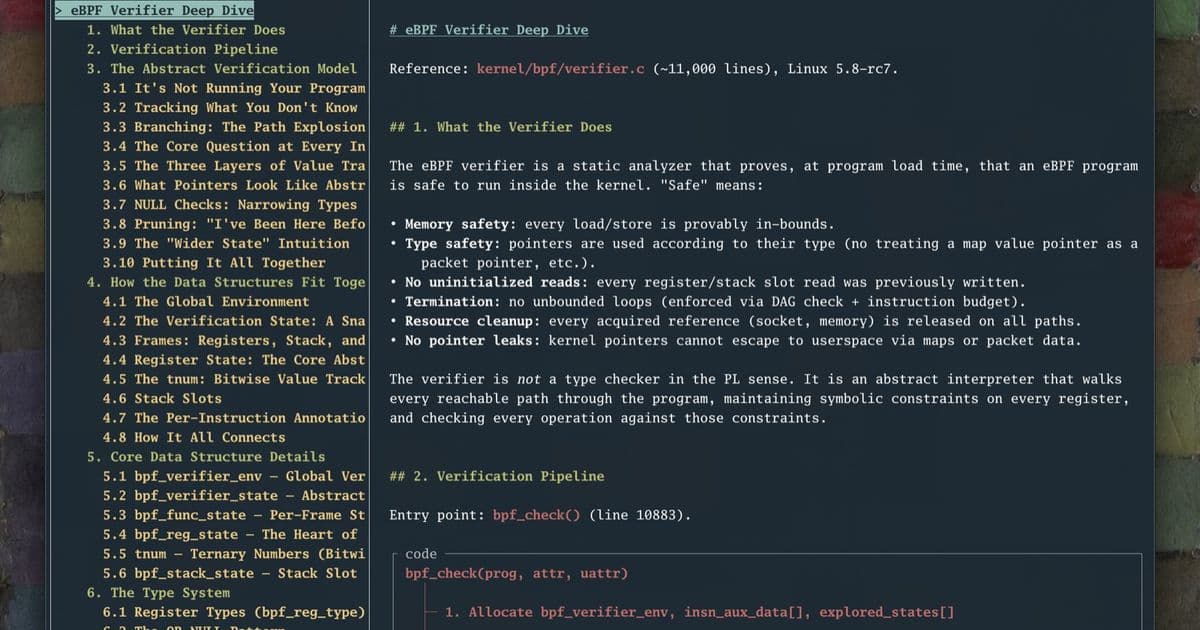
As AI tools democratize native application development, we're witnessing a cultural shift toward hyper-personalized software that echoes Emacs culture but with modern UI capabilities.
The software development landscape is undergoing a subtle but profound transformation. What began as a niche experiment with AI code generation has evolved into a movement reshaping how we approach building tools. The evidence appears in countless forums, social media threads, and development blogs where creators share their experiences with AI-assisted development. This isn't just about productivity gains; it represents a fundamental shift in our relationship with software creation.
The central thesis emerging from developer communities is that AI is enabling a new era of "Emacsification" - where personal, bespoke tools become the norm rather than the exception. This pattern manifests most clearly in the proliferation of highly specialized applications solving niche problems, often developed in hours rather than months.
Consider the author's experience with MDV.app. Their journey from frustration with existing Markdown viewers to creating a custom solution in 30 minutes of active development (plus preparation time) illustrates a powerful new capability. The result wasn't just functional - it incorporated advanced features like SQLite FTS indexing, hot-keyed bookmarks, and table-of-contents navigation that commercial solutions often lack. This pattern repeats across domains: from custom monitoring tools to specialized data visualizations, developers are now building solutions that precisely match their needs.
The community sentiment around this trend is complex. Many developers express excitement about finally being able to bring their long-standing tool ideas to life. The barrier to entry for native application development has historically been high, requiring specialized skills in platform-specific frameworks. With AI assistance, these technical hurdles diminish significantly. As one developer noted in a recent discussion: "I've spent years wishing for a tool that does X exactly how I want it. Now I can build it myself in an afternoon."
However, counter-perspectives emerge when examining the sustainability of this approach. Some experienced developers raise concerns about code quality, maintainability, and technical debt. When an AI generates your application, how do you debug it when issues arise? How do you update it when the underlying APIs change? The traditional software development lifecycle involves iterative refinement and long-term maintenance - aspects that current AI tools handle less gracefully.
The Emacs culture comparison offers valuable insights here. Emacs users have long embraced the "build your own tools" philosophy, creating elaborate configurations and packages tailored to their specific workflows. What's different now is the UI component - Emacs tools typically live within the Emacs environment, while AI-generated applications can be full-fledged native experiences. This combination of personalization with polished interfaces represents a significant evolution.
Evidence of this trend appears in several domains:
Specialized Development Tools: Custom versions of common utilities like
iostatorbpftracewith graphical interfaces that make previously cryptic outputs accessible. The author mentions Brendan Gregg's work with bpftrace visualizations as an example of terminal tools that could benefit from this transformation.Research and Analysis Applications: In fields like vulnerability research, AI-assisted development has accelerated the creation of specialized tools for exploit development and security analysis. The author notes being "like a kid in the candy shop" with exploit development breakthroughs, though acknowledges this represents a specialized use case.
Personal Productivity Applications: Custom solutions for workflow automation, data management, and note-taking that integrate seamlessly into individual working environments. The author's MDV.app exemplifies this category, solving a specific pain point with Markdown file handling.
The technical foundations of this movement deserve examination. AI models like Claude, GPT-4, and others have demonstrated remarkable capabilities in generating code for native frameworks like SwiftUI, Swift, and Kotlin. Unlike earlier code generation approaches that produced boilerplate or simple implementations, current models can generate complete, functional applications with sophisticated features.
What makes this particularly interesting is the shift from "building" to "configuring." As the author observes, creating these applications often feels more like configuring a system than traditional software development. This aligns with Emacs culture, where users spend significant time customizing their environment to match their exact needs. The difference is that today's "configuration" can produce polished, native applications rather than just text editor setups.
Counter-arguments emerge when considering the broader implications. Some developers express concern that this trend could fragment the software ecosystem further. If everyone builds their own specialized tools, how do we maintain interoperability? The traditional approach of building general-purpose applications that serve broad audiences has advantages in terms of network effects and collective improvement.
Others question the accessibility of this approach. While AI tools have lowered technical barriers, they haven't eliminated them entirely. Developers still need to understand software architecture, debugging techniques, and platform-specific nuances. The initial hype around "no-code" AI development has given way to a more nuanced understanding: AI accelerates development but doesn't eliminate the need for technical expertise.
The community's response to these concerns varies. Some embrace the fragmentation as a natural outcome of personalization, arguing that the benefits of tailored tools outweigh standardization concerns. Others are actively working on frameworks that would make it easier to share and customize these tools, potentially creating new forms of community collaboration around AI-generated applications.
Looking forward, several patterns suggest where this trend might evolve:
Specialized AI Models: We may see the emergence of AI models specifically trained for particular domains or types of applications, further accelerating development in those areas.
Hybrid Development Approaches: Traditional development methodologies will likely incorporate AI tools as components of the workflow rather than replacements for human developers.
New Forms of Collaboration: Community models may emerge around sharing prompts, configurations, and partially completed AI-generated applications.
Improved Maintainability Solutions: Tools specifically designed to help maintain and update AI-generated applications will likely become more sophisticated.
The Emacsification of software represents more than just a technical trend; it reflects a cultural shift toward personalization and control in our digital environments. As AI tools continue to evolve, we'll likely see this movement accelerate, with more developers creating tools that precisely match their needs rather than adapting to generic solutions.
For those interested in exploring this space, the author's MDV.app offers a concrete example to study. While the source code may not be as valuable as the prompts and approach used to create it, the application demonstrates what's possible when you combine AI assistance with specific domain knowledge. The GitHub repository or documentation site (if available) would provide additional insights into the implementation details.
As with any technological shift, the Emacsification movement will likely follow an S-curve adoption pattern. Early adopters are already exploring the possibilities, mainstream adoption will follow as tools become more sophisticated and accessible, and eventually, we'll reach a new equilibrium where AI-assisted development becomes a standard part of the software development landscape.
What remains to be seen is how this trend will reshape the broader software ecosystem. Will we see a flowering of personalized applications, or will consolidation forces reassert themselves? The answer likely lies somewhere in between, with pockets of highly specialized tools coexisting with more general-purpose applications. Regardless of the outcome, the Emacsification of software marks an exciting chapter in the ongoing evolution of how we create and interact with digital tools.
Comments
Please log in or register to join the discussion