
Fly.io introduces Sprites—persistent micro-VMs that challenge the ephemeral sandbox paradigm for AI agents, enabling durable state retention and rapid checkpointing.
For years, read-only ephemeral sandboxes represented the state of the art in agent isolation—a paradigm Fly.io itself championed. Yet this approach now appears fundamentally misaligned with how modern AI agents operate. The emergence of large language models capable of complex software development tasks reveals critical limitations in sandbox architectures designed around statelessness and disposability.
Sprites represent a radical alternative: micro-VMs that persist across sessions while maintaining near-instant creation times. When executing sprite create, users receive a root shell on a Linux environment within seconds. More significantly, these environments preserve state indefinitely—installed packages like FFmpeg remain available days later without reinstallation. The checkpoint system (sprite-env checkpoints create) enables instantaneous state restoration following system corruption, functioning like version control for entire system states.
This architecture directly addresses three core frustrations in agent workflows:
Environment Rebuilding Overhead - Agents waste significant cycles reconstructing dependencies (node_modules, pip packages) that professional developers retain persistently on local machines. The industry's investment in snapshotting ephemeral environments becomes unnecessary when state persists naturally.
State Management Contortions - Developers create external state stores (S3, Redis) as workarounds for sandbox ephemerality. Sprites eliminate this indirection by enabling direct file system persistence.
Time Constraints - While most agent tasks complete quickly, complex operations (API documentation generation, long-running tests) exceed typical sandbox time limits. Sprites support indefinitely long processes without artificial interruptions.
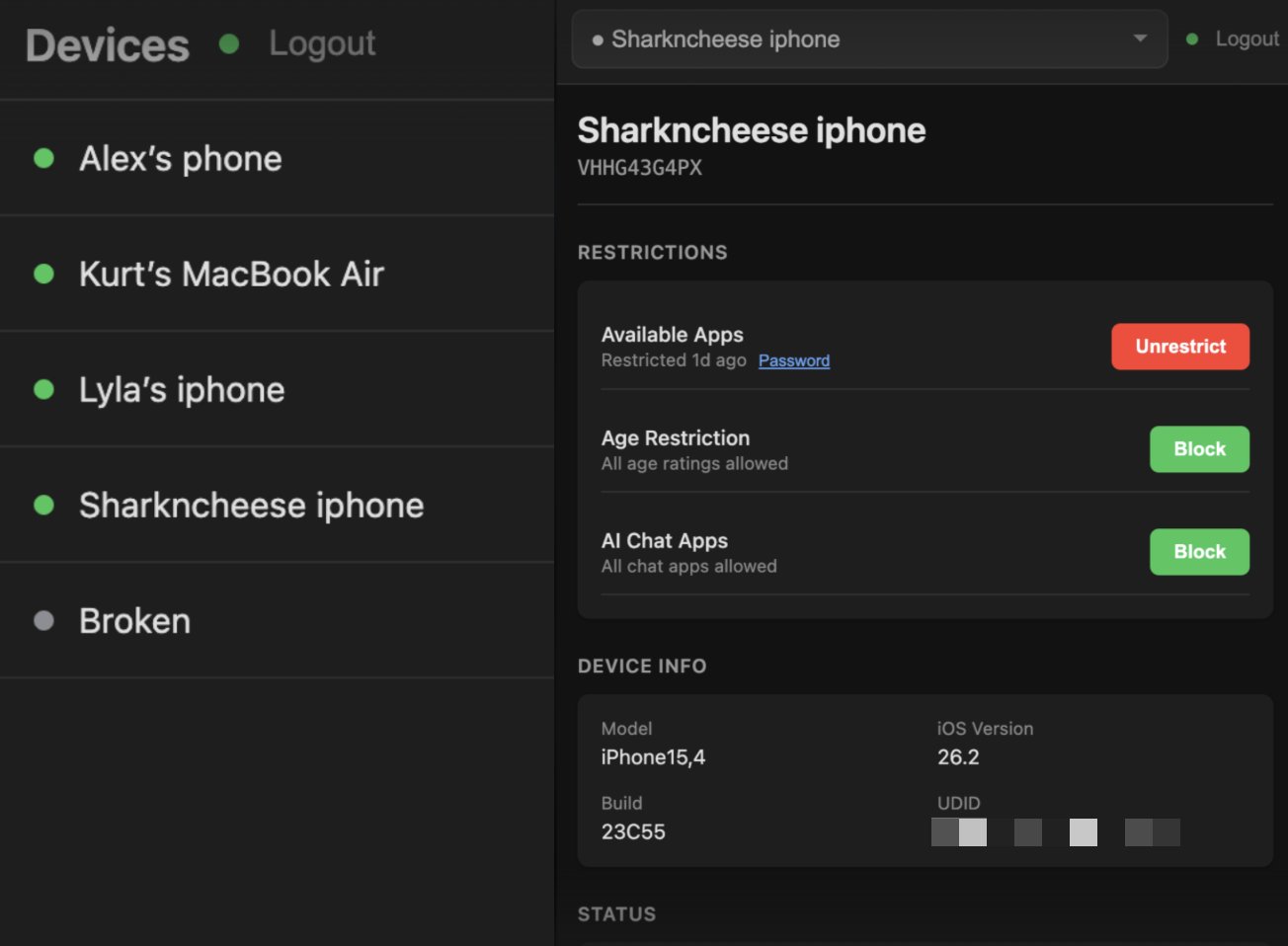
The implications extend beyond developer productivity. Consider Kurt Mackey's MDM solution—a SQLite-backed Go application built collaboratively with Claude and deployed directly on a Sprite. This pattern suggests a future where individuals own applications solving personal problems without professional developer intermediaries. As Mackey notes, "For this app, dev is prod, prod is dev." While unsuitable for hyperscale applications, Sprites enable personal software ownership where users directly implement solutions through natural language collaboration with AI agents.

Counterarguments favoring sandboxes cite security and scalability virtues. Yet these advantages primarily serve large-scale deployments rather than agent workflows. When Fly.io engineers asked whether agents prefer Kubernetes sandboxes or instant EC2-like instances, the answer proved unequivocal. The isolation properties of containers remain valuable, but their disposability becomes counterproductive when agents require persistent state across multiple development cycles.
This shift reflects broader technological evolution. Just as virtualization gave way to containerization for specific workloads, ephemeral sandboxes now yield to persistent micro-environments for agent-centric development. The Sprite implementation leverages a novel storage stack and orchestration layer distinct from Fly Machines, optimized for rapid resurrection rather than horizontal scaling.
We stand at an inflection point where AI agents transition from tools to collaborators. Their effectiveness depends on environments mirroring human development conditions—including persistent state, flexible timelines, and casual experimentation. As Mackey concludes: "The age of sandboxes is over. The time of the disposable computer has come." Developers may explore Sprites directly via Fly.io's Sprite creation.
Comments
Please log in or register to join the discussion