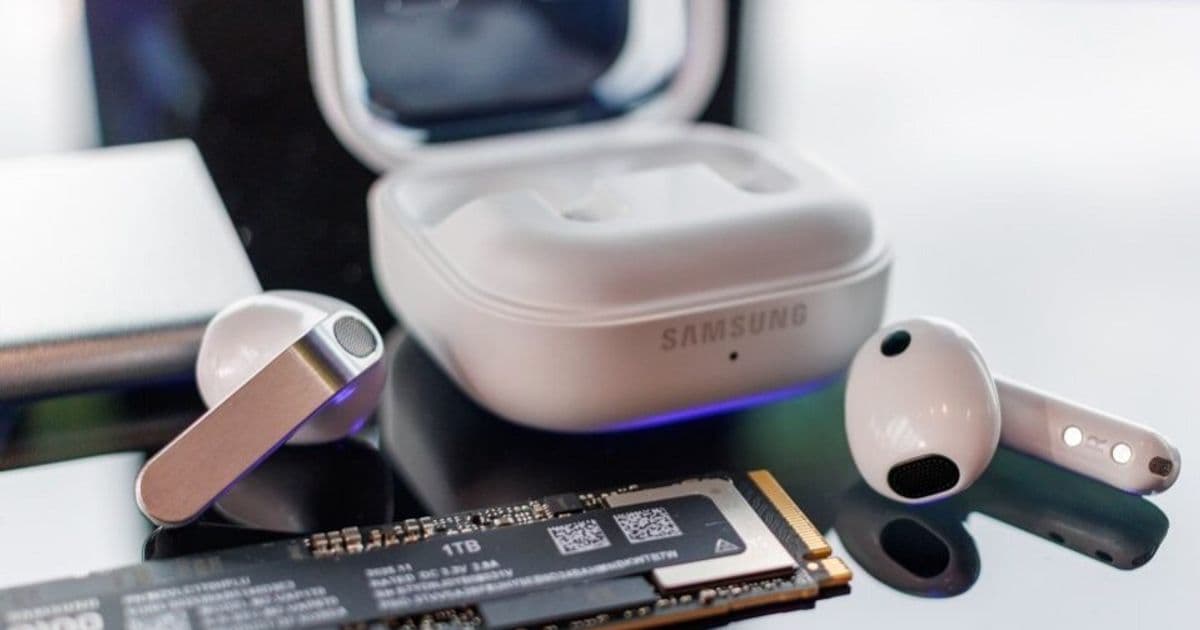
Samsung's latest true wireless earbuds bring subtle refinements to the Galaxy Buds 3 formula, including a more comfortable flat-stem design, Bluetooth 6.1 connectivity, and an Ultra High Quality audio mode that requires Samsung's latest devices.
Samsung has unveiled the Galaxy Buds 4, the latest iteration of its popular true wireless earbuds, alongside the Galaxy S26 series. The standard Galaxy Buds 4 model brings several refinements to the previous generation while maintaining the core open-fit design that Samsung has been developing.
Design Evolution: From Angular to Flat
The most noticeable change in the Galaxy Buds 4 is the stem redesign. Samsung has replaced the angular stems of the Galaxy Buds 3 with flat ones, featuring a metal accent that gives them a more premium appearance. According to Samsung, this change should improve comfort during extended wear. The charging case has also been redesigned, with the earbuds now lying flat inside rather than standing upright. The transparent lid remains a signature feature, maintaining visual continuity with previous models.
In terms of weight, the Galaxy Buds 4 are slightly lighter than their predecessors. The earbuds weigh 4.6 grams each compared to 4.7 grams for the Galaxy Buds 3, while the charging case is 45.1 grams versus 46.5 grams previously. These reductions, though modest, contribute to the overall refinement of the product.
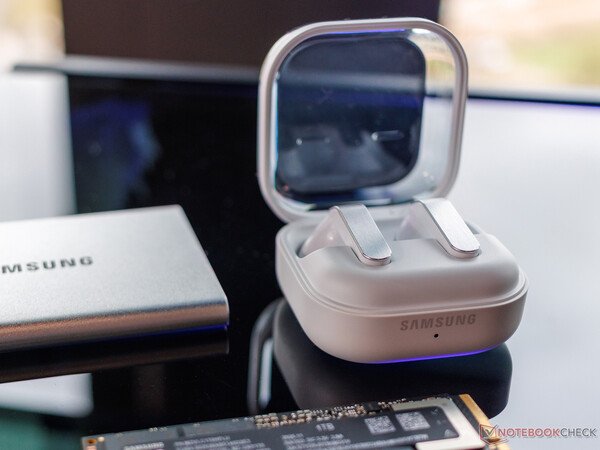
The Galaxy Buds 4 have ditched the angular stems of the Galaxy Buds 3 for flat ones.
Audio Features and Connectivity
Samsung has equipped the Galaxy Buds 4 with several notable audio features. The earbuds support 24-bit audio and introduce an Ultra High Quality (UHQ) sound mode, which promises a premium listening experience. However, this feature comes with a significant limitation: it requires a Galaxy S23 or newer, Galaxy Z Fold 5 or newer, Galaxy Z Flip 5 or newer, or Galaxy Tab S9 and newer, all running One UI 6.1.1 or later. This restriction means that only users within Samsung's latest ecosystem can access the full potential of these earbuds.
On the connectivity front, the Galaxy Buds 4 feature Bluetooth 6.1, offering improved connection stability and potentially better battery efficiency. The earbuds support multiple codecs including SSC (Samsung Seamless Codec) HiFi, SSC UHQ, AAC, SBC, and LC3. They also include Bluetooth Auracast support, 360 audio for immersive sound, and Super Wideband Call technology for clearer calls in noisy environments.
Battery Life and Durability
Battery specifications show the Galaxy Buds 4 with a 42mAh capacity per earbud and a 500mAh charging case. Samsung advertises up to 30 hours of total playback time with the case when ANC is off. The company provides more detailed breakdown for talk time: with ANC on, users can expect up to 3.5 hours of talk time from the earbuds and 18 hours total with the case; with ANC off, these figures increase to 4 hours and 20 hours respectively.
One surprising change is the reduction in dust and water resistance. The Galaxy Buds 4 now feature an IP54 rating, down from the IP57 rating of the Galaxy Buds 3. While IP54 still provides protection against dust and water splashes, it's less robust than the previous generation's dust-tight and temporary immersion protection.
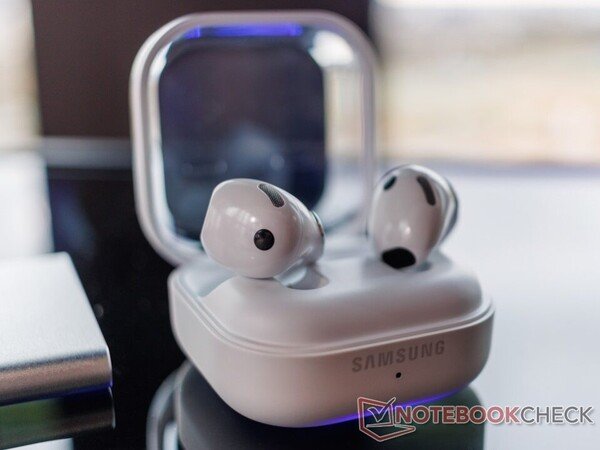
The Galaxy Buds 4 has a redesigned charging case but retains the transparent lid.
Pricing and Availability
The Galaxy Buds 4 are available in Black and White color options. Pre-orders are open now with a retail price of €179/$179.99/£159. The earbuds will officially launch on March 6, positioning them as a mid-range option in Samsung's audio lineup.
How It Compares to the Competition
When compared to the Galaxy Buds 3, which are currently available for $92.50 on Amazon, the Buds 4 represent a significant price increase. The question for consumers becomes whether the new features justify the nearly doubled price point. The addition of Bluetooth 6.1, UHQ audio mode, and the refined design are notable improvements, but the reduced IP rating and ecosystem-locked features may give some buyers pause.
For users already invested in Samsung's ecosystem with compatible devices, the Galaxy Buds 4 offer compelling features and seamless integration. However, those outside this ecosystem or with older Samsung devices might find better value in the previous generation or competing products from other manufacturers.
The Galaxy Buds 4 represent a cautious evolution rather than a revolutionary upgrade, refining the successful formula of the Galaxy Buds 3 while adding features that may only appeal to a subset of users. Whether these changes justify the price increase will depend largely on individual needs and existing device compatibility.
Comments
Please log in or register to join the discussion