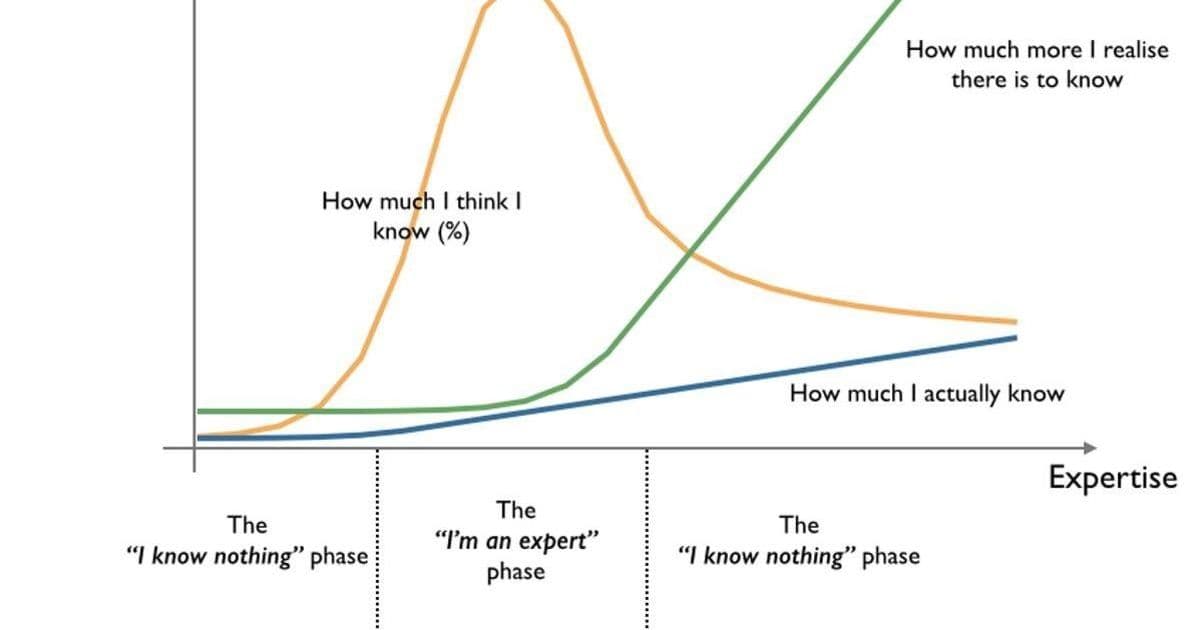
Seasoned technologists risk innovation-stifling blind spots by assuming their experience trumps market realities. This analysis explores why expertise can become a liability in fast-moving tech sectors and how embracing continuous discovery unlocks true competitive advantage.
The Dangerous Illusion of Certainty in Tech
At an Austin startup incubator, a founder dismissed mentor advice on pricing with unwavering confidence: "I know our industry." She hadn't validated her assumptions with customers, trusting her expertise over empirical evidence. When pressed to test her pricing model at an industry event, the market delivered a harsh lesson—her assumptions were fundamentally flawed. This moment of shattered certainty, as recounted in Jason Cohen's semantic essay, reveals a critical vulnerability in technical leadership.
"Ever since accidentally stumbling upon lean startup... I’ve struggled to implement the principles correctly. In the past week of quick phone calls to vendors, I’ve learned more about this market than I did in the past year."
— Email from founder after market validation (Source: A Smart Bear)
Why Expertise Becomes a Liability
Technical veterans often develop ingrained mental models about their domains—how users behave, what solutions work, and market dynamics. Cohen identifies three dangerous patterns:
The Fossilization Effect: Markets evolve faster than expertise. AdWords strategies that fueled startups in 2003 became cost-prohibitive by 2010. Today's AI-driven SEO landscapes would be unrecognizable to 2015 experts.
Domain Tunnel Vision: A medical device sales veteran assumed software pricing could mirror hardware. He overlooked critical differences in installation constraints, security requirements, and budget cycles—mistakes avoided through fresh discovery.
Confirmation Engines: Experts unconsciously filter feedback through existing beliefs. As Cohen admits: "I have to consciously restrain myself from pitching, instead asking questions... not mapping their words onto what I want them to hear."*
The Antidote: Structured Curiosity
Successful technical leaders balance expertise with deliberate discovery:
- Pressure-Test Assumptions: Treat expertise as hypothesis-generator, not truth-source. The founder’s pricing failure stemmed from skipping validation, not flawed industry knowledge.
- Embrace Beginner’s Mind: Regularly engage with users without solution-biased questions. Record sessions to spot assumption-driven listening.
- Rotate Perspectives: Seek input from adjacent domains. Cloud infrastructure veterans gain fresh insights from mobile developers facing similar scaling challenges.
The Competitive Edge of Humility
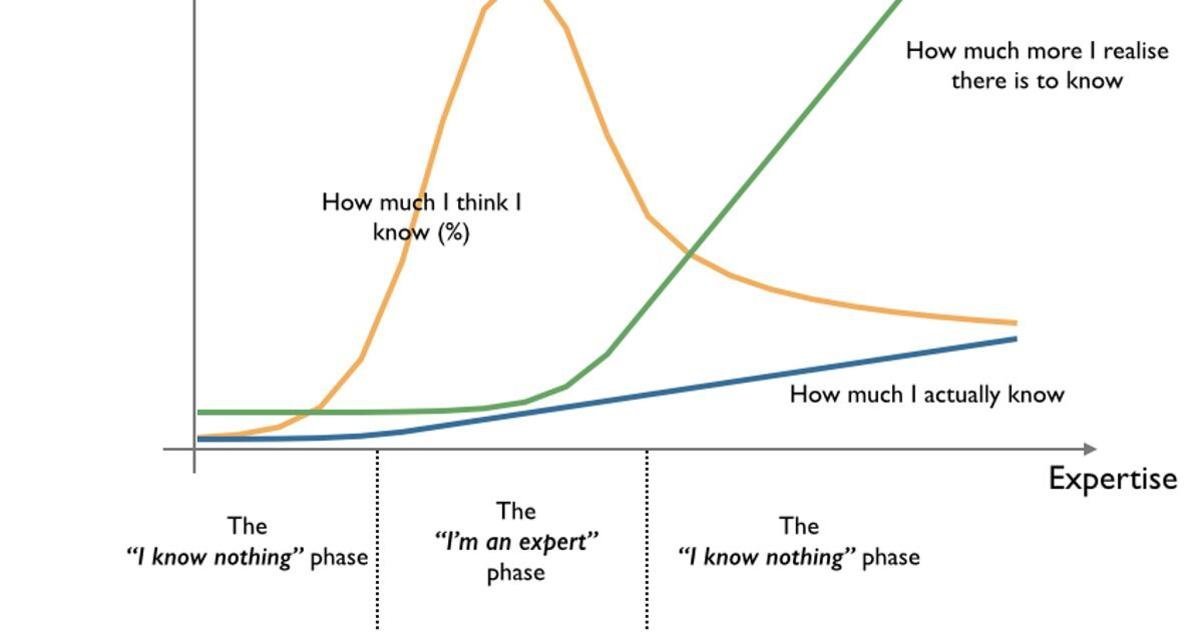
Simon Wardley’s semantic satire on "expert" hubris remains painfully relevant. In AI, cybersecurity, and cloud-native development—where change velocity exceeds any individual’s experience—the most valuable expertise is knowing when you don’t know. Teams that institutionalize curiosity through:
- Weekly customer discovery sessions
- Assumption-mapping workshops
- Cross-domain peer reviews
...consistently out-innovate those led by unquestioned experts. The true expert’s signature isn’t certainty—it’s the discipline to continually dismantle their own knowledge.
Source: Adapted from Jason Cohen’s analysis at A Smart Bear
Comments
Please log in or register to join the discussion