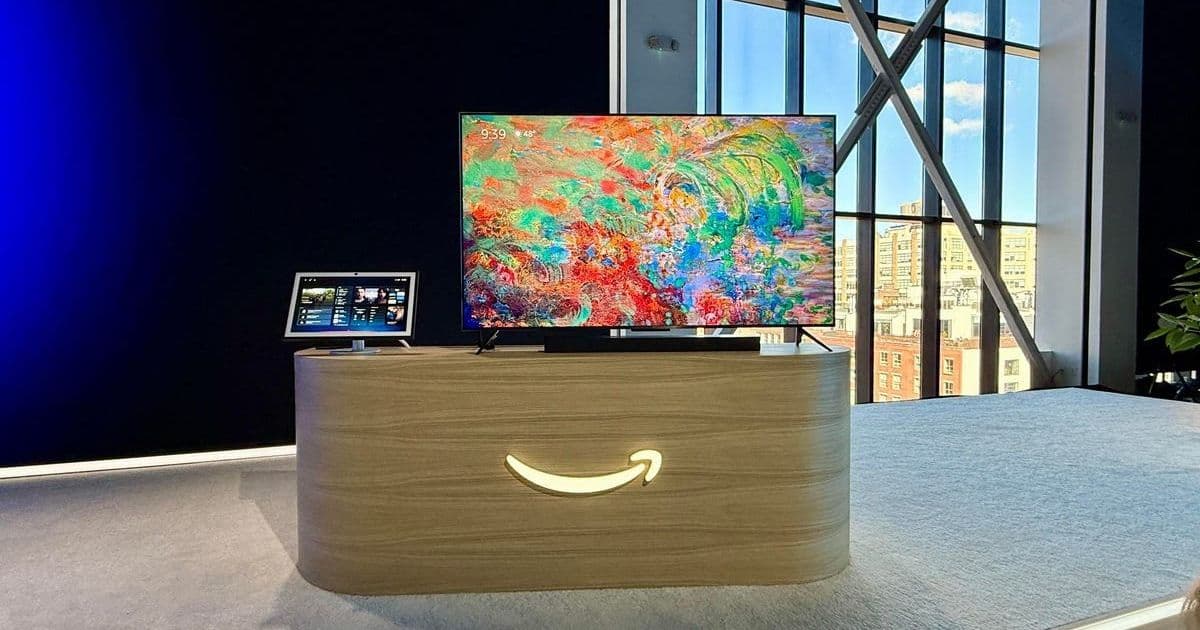
Amazon's Devices and Services event signals a strategic pivot with new Echo speakers, a color Kindle Scribe, and Fire TV upgrades—all potentially powered by Vega OS, a Linux-based replacement for Android. This shift could redefine app development and smart home integration, challenging Google's dominance while posing fresh hurdles for developers.
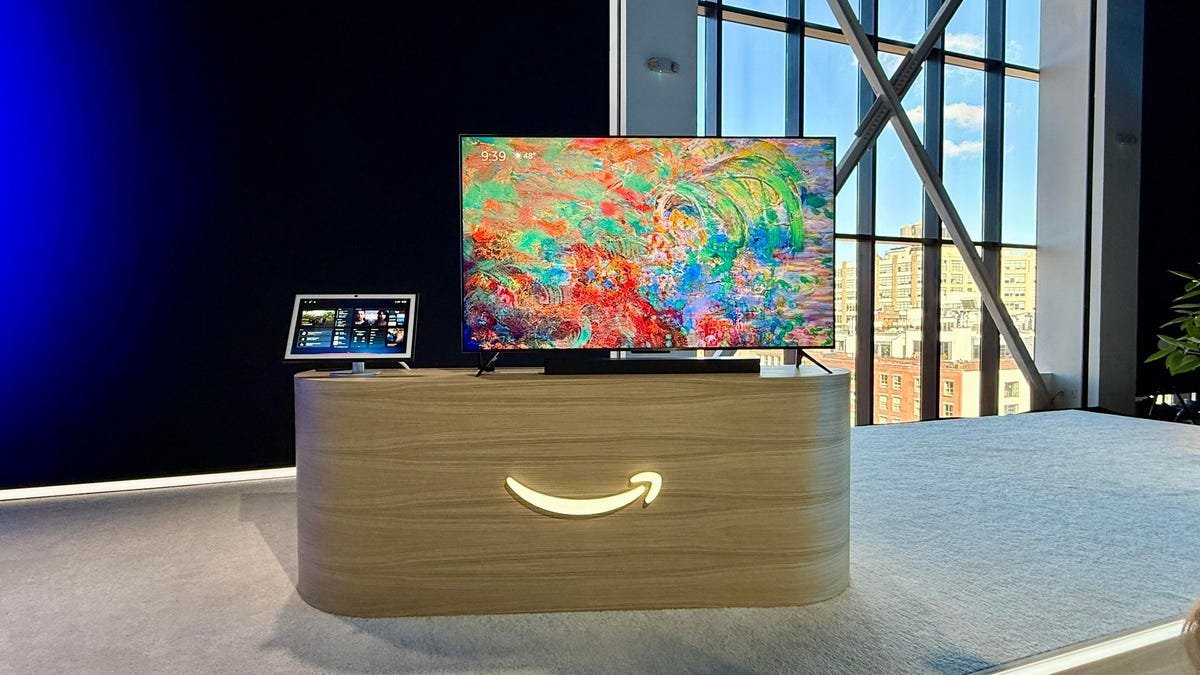
NEW YORK CITY—Under the buzz of anticipation, Amazon’s invitation-only Devices and Services event today isn’t just about iterative gadget updates. It’s a calculated move toward vertical integration, headlined by rumored hardware refreshes and a seismic software shift: the replacement of Fire OS with Vega OS, a Linux-based operating system designed to unify Amazon’s ecosystem. For developers and tech strategists, this isn’t just a product launch—it’s a redefinition of Amazon’s battle lines in the smart home war.
The Hardware Horizon: Echo, Kindle, and Fire TV Evolve
Leaked invitations hint at three pillars of innovation. First, a new Echo speaker, likely an upgrade to the Echo Studio, which hasn’t seen a redesign since 2019. Spatial audio and multi-room synchronization could get AI-powered boosts from Alexa+, Amazon’s generative AI assistant currently in limited early access. Second, a color Kindle Scribe appears imminent, building on last year’s Kindle Colorsoft release but targeting professionals with enhanced note-taking and display technology. Third, Fire TV hardware refreshes may debut, possibly featuring mini-LED advancements for higher contrast and efficiency.
Vega OS: Breaking Free from Android
The bombshell, however, is Vega OS. As reported by tech journalist Janko Roettgers and corroborated by ZDNET’s live updates, Amazon plans to replace its Android-derived Fire OS with this Linux-based alternative. Why? Control. Fire OS’s reliance on Android has long constrained Amazon’s ability to deeply integrate hardware and services. Vega OS promises:
- Unified Ecosystem: A single codebase for Fire TVs, Echo devices, and potentially tablets, reducing fragmentation.
- Performance Gains: Linux’s lightweight architecture could improve speed and battery life on resource-limited devices.
- Privacy and Security: Direct control over the stack may streamline updates and vulnerability patches.
"This isn’t just an OS swap—it’s Amazon declaring independence from Google," notes a senior embedded systems engineer ZDNET consulted. "But migrating developers to a non-Android platform will be a monumental challenge. They’ll need robust SDKs and incentives to rebuild apps."
The Developer Dilemma and Market Ripples
For engineers, Vega OS introduces both opportunity and friction. Native Linux support could attract IoT and open-source communities, yet Android app compatibility layers might lag, fracturing the Fire TV app ecosystem initially. Amazon’s success hinges on convincing developers that Vega’s reach—across millions of Echo and Fire devices—justifies the rebuild. Meanwhile, competitors like Google and Apple watch closely: Amazon’s play could accelerate similar moves toward proprietary OS consolidation in the smart home space.
Why This Event Matters Beyond the Hype
Amazon skipped its 2024 event, focusing instead on Alexa+’s troubled rollout. Today’s announcements suggest lessons learned—a cohesive hardware-software strategy aimed at reclaiming momentum. If Vega OS delivers, it could lower latency for Alexa interactions and enable tighter security for smart home networks, appealing to privacy-conscious users. Yet, as attendees dissect prototypes in New York, the real test begins: Can Amazon turn ecosystem ambition into seamless daily utility?
Source: ZDNET coverage by Maria Diaz and Kerry Wan, with live updates from the event.
Comments
Please log in or register to join the discussion