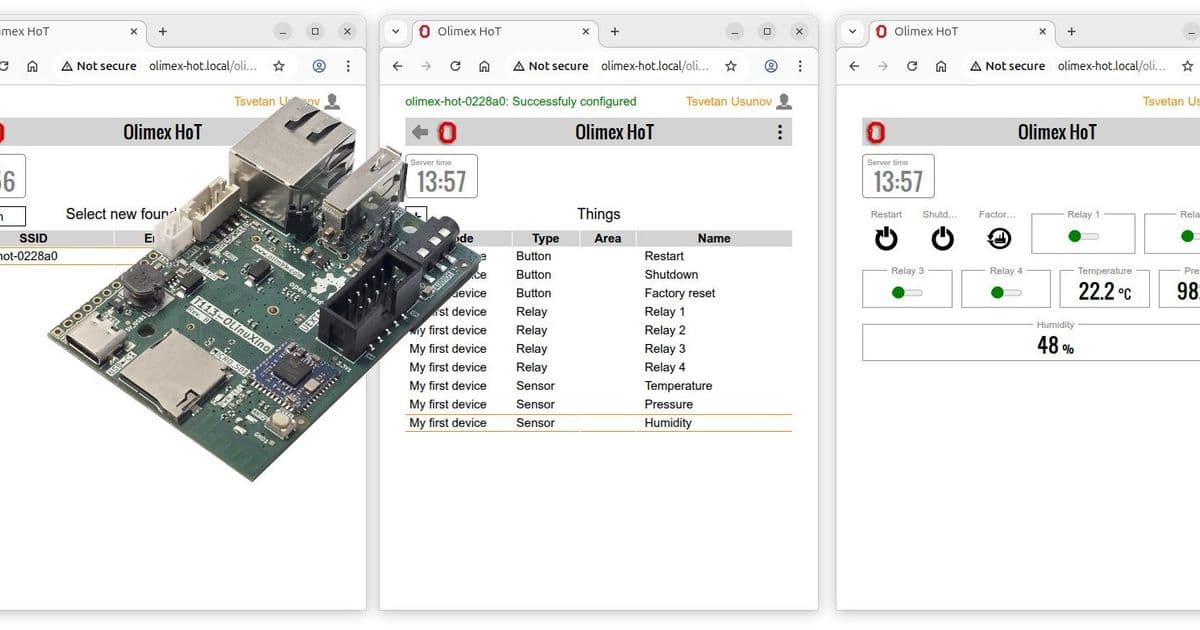
Olimex's HoT project reimagines smart home infrastructure with a focus on extreme hardware efficiency, challenging the resource-heavy norms of platforms like Home Assistant.
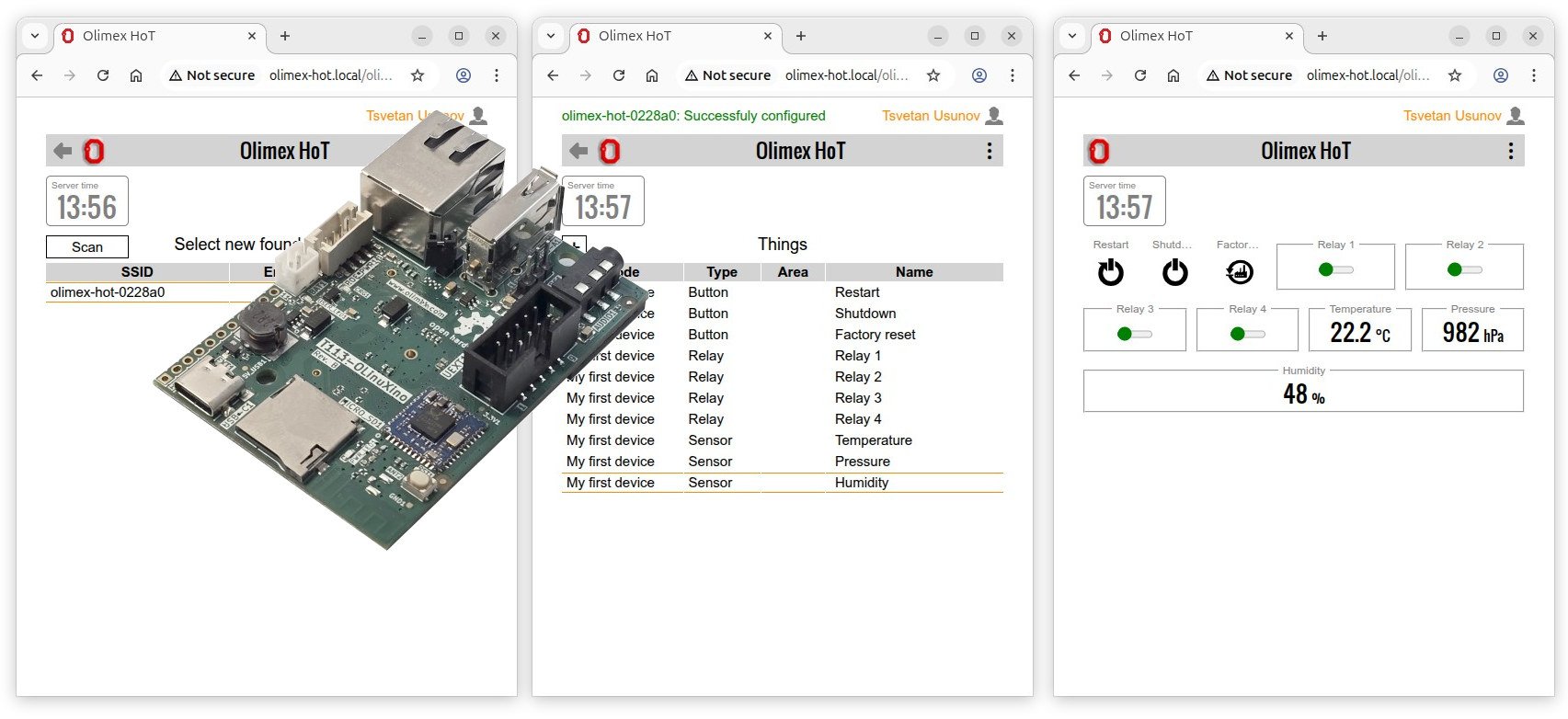
The escalating hardware demands of modern smart home platforms present a paradox: as home automation grows more sophisticated, it simultaneously excludes users with limited resources or technical expertise. This gap inspired Tsvetan Usunov, CEO of hardware specialist Olimex, to develop HoT (Home of Things) – a deliberately minimalist alternative to behemoths like Home Assistant. Designed to operate on hardware costing approximately €20 and requiring just 128MB of RAM and flash storage, HoT represents a philosophical shift towards accessibility and efficiency in an increasingly bloated IoT landscape.
Hardware Designed for Constraint
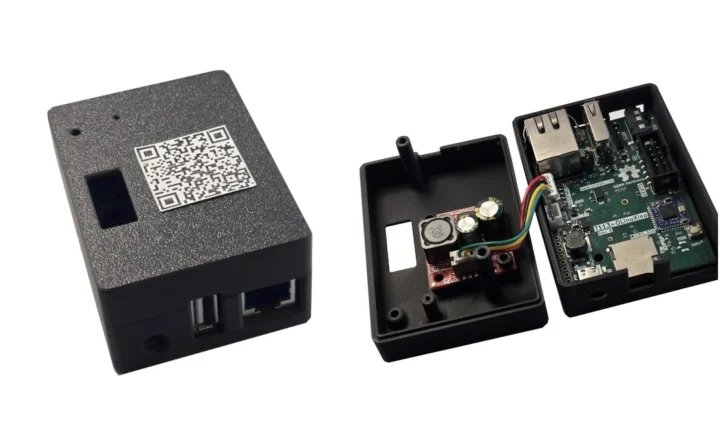
At HoT's core lies the purpose-built T113-OLinuXino server board, leveraging Allwinner's T113-S3 system-on-chip. This dual-core Cortex-A7 processor, paired with precisely 128MB DDR3 RAM and 128MB SPI flash, stands in stark contrast to Home Assistant's recommended 4GB RAM baseline. The board's frugality extends beyond memory:
- Connectivity: 10/100Mbps Ethernet with optional PoE support, supplemented by 802.11n Wi-Fi and Bluetooth 4.2 via an RTL8723BS module.
- Expansion: USB-A port and UEXT connector for peripherals.
- Resilience: LiPo battery support enabling UPS functionality.
- Cost Target: Aggressively priced around €20.
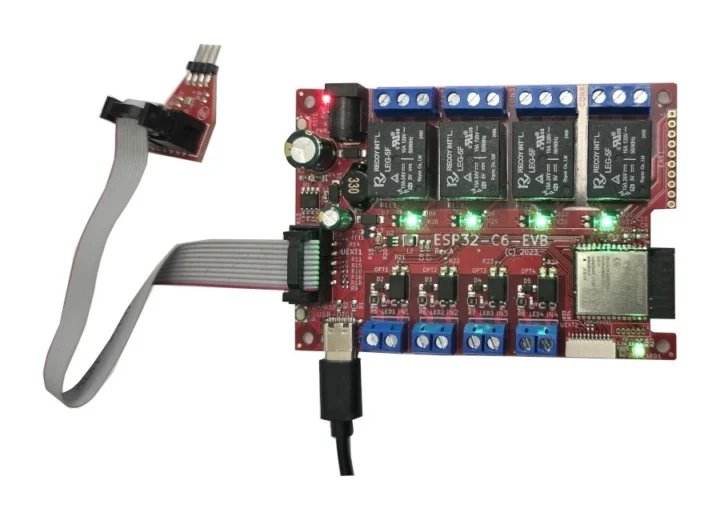
Complementing the server are IoT nodes based on Olimex's existing ESP32-C6-EVB boards. These nodes handle physical interactions – controlling relays, reading digital inputs, and gathering environmental data via sensors like the BME280 (temperature, humidity, pressure). Crucially, they support modern protocols including Wi-Fi 6, Bluetooth LE 5.0, Zigbee, Thread, and Matter, ensuring HoT can interface with a broad array of devices despite the server's simplicity.
The Software Stack: Open Source Foundations
HoT builds upon established open-source infrastructure, maximizing capability within minimal resources:
- OpenWrt OS: Despite growing resource requirements elsewhere, OpenWrt remains viable on 128MB systems. The T113 port (by Zoltan Herpai) includes Python 3, PHP 8.0, nginx, and Mosquitto MQTT broker.
- Olimex HoT Interface: A streamlined web UI (
olimex-hot.local) guides users through initial setup (timezone, network, user creation) and device management. Dashboards display sensor data and relay controls, echoing Home Assistant's entity model but drastically simplified. - ESPHome Integration: Nodes run standard ESPHome firmware. Olimex contributed a critical MQTT bug fix (pending merge), requiring users to manually reference it in YAML configurations.
The Promise and the Pragmatism
HoT's value proposition hinges on intentional limitation:
- Lowering Barriers: By targeting sub-$30 hardware, HoT makes basic home automation feasible in regions with budget constraints or unreliable infrastructure.
- Reduced Complexity: The simplified UI and wizard-driven setup cater to users overwhelmed by Home Assistant's learning curve.
- Energy Efficiency: Minimal hardware inherently consumes less power, aligning with sustainable IoT principles.
However, pragmatism tempers enthusiasm:
- Current Limitations: The software remains unreleased publicly. Essential features like SSL encryption, data logging/charts, scene editing, triggers, and notifications are still in development (targeting completion by TuxCon Bulgaria in May 2026).
- Hardware Quirks: The RTL8723BS driver's limitation to monitor mode necessitates an external Wi-Fi dongle (like the AR9721), undermining the low-cost goal.
- Ecosystem Scale: HoT cannot match Home Assistant's vast integration library or community support ecosystem overnight.
Implications: Beyond Cost Reduction
HoT signifies more than just cheap hardware. It challenges the industry's trajectory toward ever-increasing resource consumption. In a climate of rising component costs and electronic waste, a platform thriving on 128MB of RAM offers a compelling counter-narrative. It proves that core smart home functionality – sensing, control, and basic automation – need not demand premium hardware. Success hinges on Olimex delivering the promised software maturity and fostering a community. If achieved, HoT could democratize home automation, proving that sometimes, less truly is more.
Project Resources:
Comments
Please log in or register to join the discussion