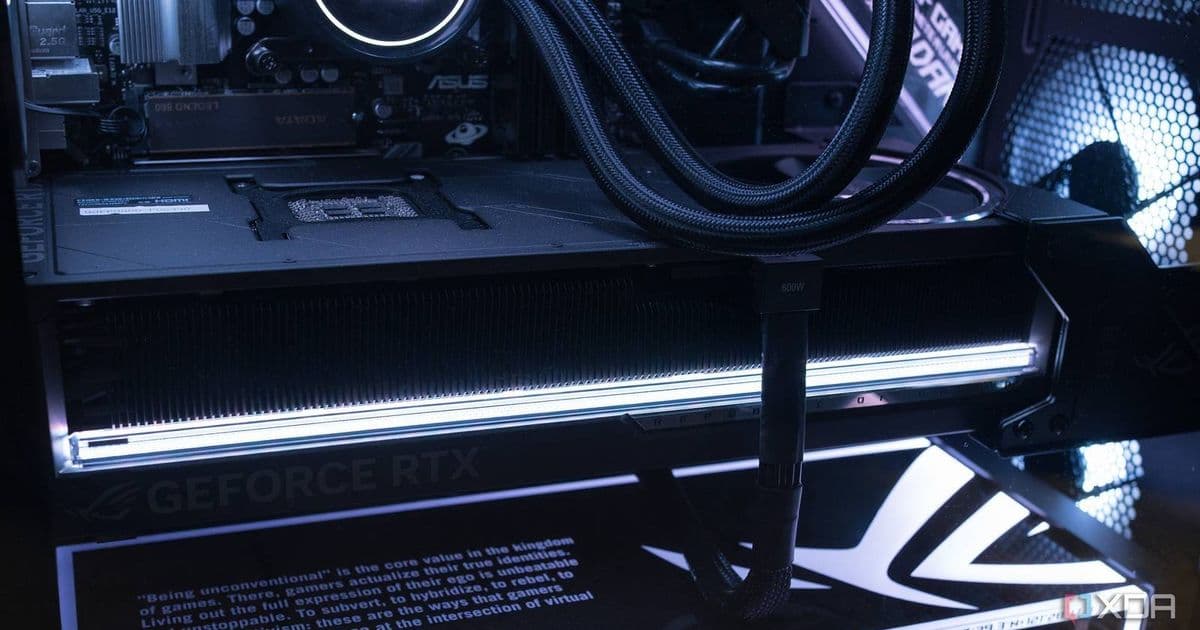
Nvidia's next-generation RTX 60-series graphics cards may be delayed until 2028 or later, according to industry reports.
The graphics card industry is buzzing with speculation about the future of Nvidia's GeForce lineup, as reports suggest the highly anticipated RTX 60-series may not arrive until 2028 or even later. This potential delay marks a significant shift in Nvidia's traditional release cadence and could have far-reaching implications for both gamers and the broader PC hardware ecosystem.
Traditionally, Nvidia has followed a predictable two-year cycle for major GPU architecture updates. The RTX 40-series launched in 2022, following the RTX 30-series in 2020, which itself came after the RTX 20-series in 2018. This consistent pattern has allowed enthusiasts to plan their upgrade cycles and manufacturers to align their product development schedules accordingly.
However, industry sources now indicate that Nvidia may be taking a different approach with its next-generation architecture. The reasons behind this potential delay are multifaceted and reflect the evolving challenges facing the semiconductor industry.
One primary factor appears to be the increasing complexity of modern GPU architectures. As gaming and professional applications demand more computational power, each new generation requires more sophisticated engineering and longer development cycles. The transition to smaller manufacturing nodes, while offering performance benefits, also introduces additional technical hurdles that can extend development timelines.
Another consideration is the current market dynamics. The graphics card market has experienced significant volatility in recent years, with supply chain disruptions, cryptocurrency mining booms and busts, and shifting consumer demand patterns. These factors may be influencing Nvidia's strategic planning, potentially leading to a more measured approach to new product releases.
The delay could also be strategic, allowing Nvidia to maximize the profitability of its current RTX 40-series lineup. With products like the RTX 4090 and 4080 Ti still commanding premium prices and delivering exceptional performance, there may be less urgency to rush the next generation to market.
For gamers and PC enthusiasts, this news presents a mixed bag of implications. On one hand, those considering upgrades may find more value in waiting for the next generation, as current-generation cards could see price reductions to clear inventory. On the other hand, the extended wait time means that cutting-edge features and performance improvements will be delayed.
The potential delay also raises questions about AMD's response. With Nvidia's next major release pushed back, AMD may have an opportunity to strengthen its Radeon lineup and potentially gain market share. This could lead to more competitive pricing and features across both GPU manufacturers.
From a technological standpoint, the extended development cycle could allow Nvidia to implement more ambitious features in the RTX 60-series. This might include advancements in ray tracing capabilities, AI-driven rendering techniques, and potentially new approaches to graphics processing that could redefine gaming experiences.
Industry analysts are closely watching how this potential delay might affect the broader PC hardware ecosystem. Motherboard manufacturers, power supply companies, and system builders all align their product development with expected GPU release schedules. A significant shift in Nvidia's timeline could ripple through the entire industry.
For content creators and professionals who rely on GPU acceleration for tasks like 3D rendering, video editing, and machine learning, the delay might mean continuing with current-generation hardware for longer than anticipated. This could influence purchasing decisions and upgrade strategies for professional users.
The gaming industry itself may also be affected. Game developers often optimize their titles for the latest GPU architectures, and a delayed release could impact the timing of games designed to showcase next-generation features.
While Nvidia has not officially confirmed these reports, the speculation has already begun to shape discussions in the tech community. Forums and social media platforms are abuzz with debates about what this means for the future of PC gaming and whether the wait will be worth it.
As we look toward 2028 and beyond, the graphics card landscape appears to be entering a period of transition. Whether this delay represents a temporary adjustment or a fundamental shift in how GPU generations are released remains to be seen. What's clear is that the next chapter in GPU evolution may take longer to arrive than many enthusiasts had hoped.
For now, the focus remains on maximizing the potential of current-generation hardware while anticipation builds for what Nvidia's next architectural leap might bring. The extended timeline could ultimately result in a more refined and powerful product, but only time will tell if the wait proves worthwhile.
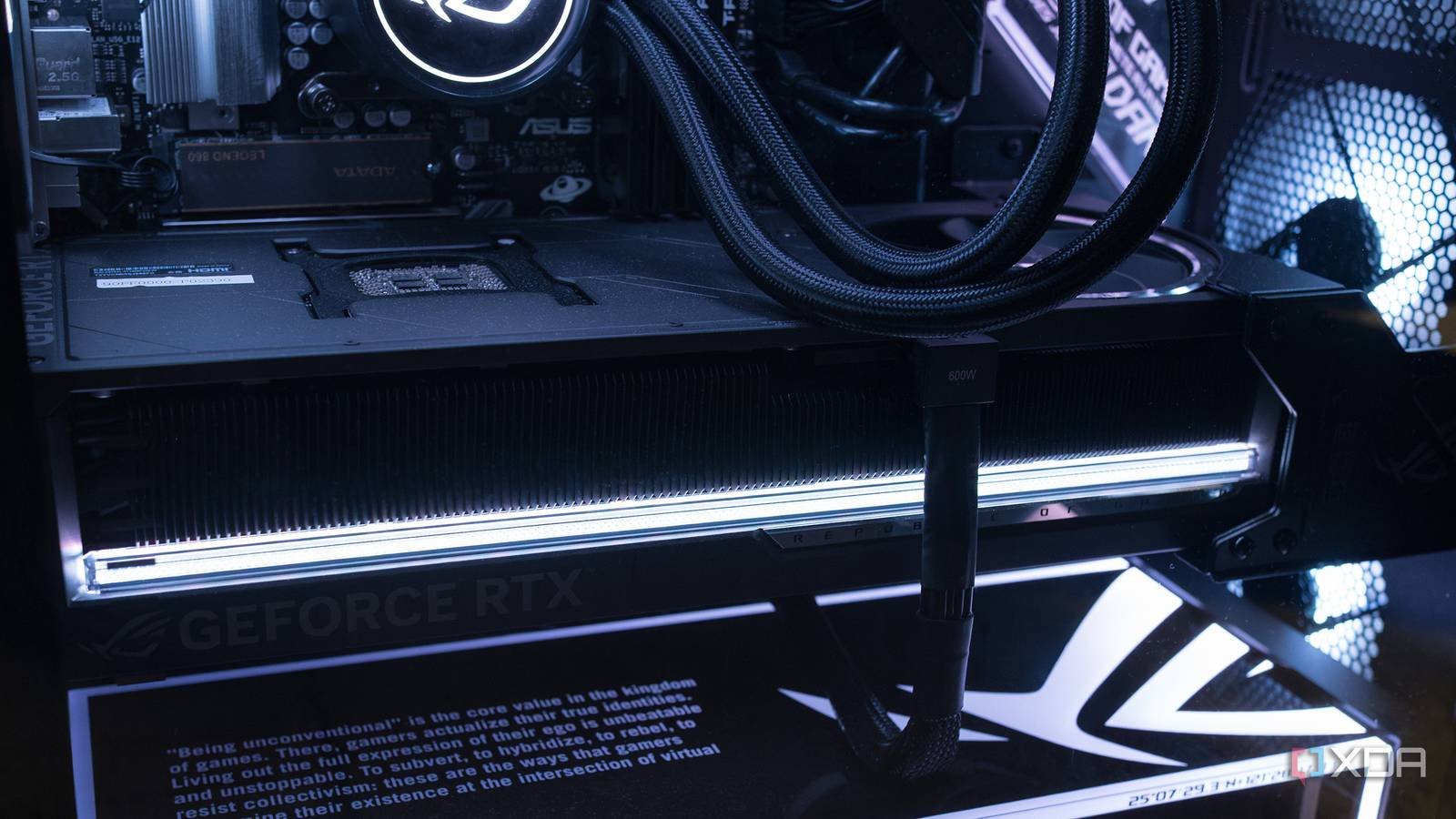
The featured image shows the current generation of Nvidia's RTX 40-series graphics cards, which may remain the flagship offerings for several more years than initially expected.
Comments
Please log in or register to join the discussion