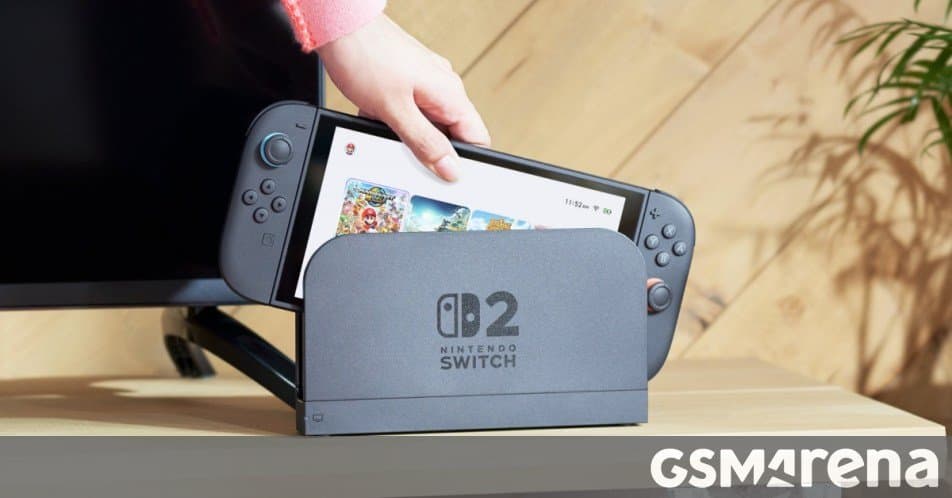
Nintendo announces a $50 price increase for the Switch 2 starting September 1, following similar hikes in other regions, while forecasting reduced sales figures for the coming year.
Nintendo has announced a significant price increase for its Switch 2 console, effective September 1 in the United States. The device, which launched last year at $449.99, will now cost $499.99—a notable $50 premium. This move comes as Nintendo cites "changes in market conditions" as the reasoning behind the adjustment.
The price hike isn't limited to the US market. Canadian consumers will see the Switch 2 increase by CAD 50, while European markets will experience a €40 increase. Interestingly, Japan will see this price adjustment take effect much sooner, with the increase already set for May 25. This regional variation in timing suggests Nintendo is managing different market conditions across its global territories.
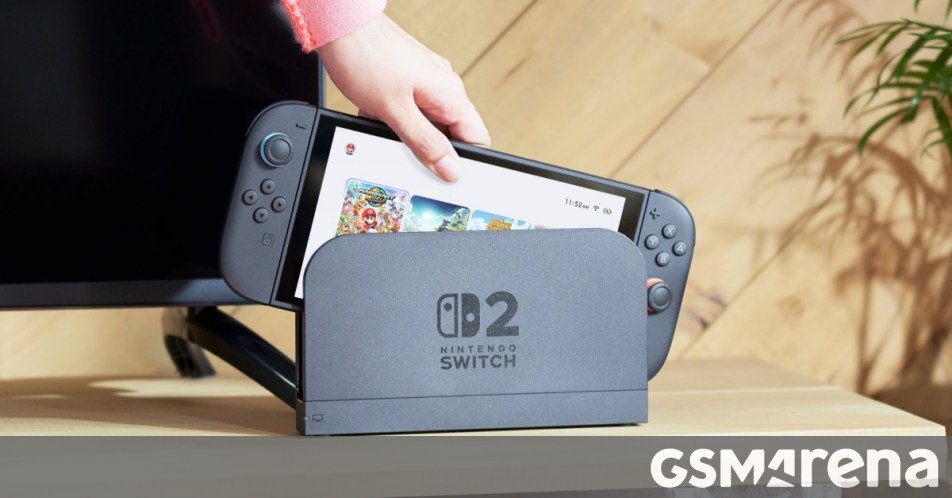
The timing of this announcement raises questions about Nintendo's strategy. By implementing the price increase now, the company is potentially attempting to maximize revenue from early adopters before potentially broader market saturation occurs. This approach is somewhat counterintuitive given that the Switch 2 has shown strong performance in its first year on the market.
Speaking of performance, Nintendo has also provided some revealing sales forecasts. In the first full fiscal year since its release, the Switch 2 sold 19.86 million units—substantially outperforming the original Switch, which sold 15.05 million units during its comparable launch period. However, for the coming year, Nintendo expects sales to decline to just 16.5 million units. This projection likely correlates with the impending price increase, suggesting that Nintendo anticipates reduced consumer purchasing power at the new price point.
From a consumer perspective, this price increase places the Switch 2 in a more competitive position against other gaming options. At $499.99, the console approaches the price of entry-level PlayStation 5 and Xbox Series S units, which offer significantly more processing power when connected to a television. However, the Switch 2 maintains its unique advantage as a hybrid device that can function both as a home console and a portable gaming system.
The handheld gaming market has seen increased competition in recent years, with devices like the ASUS ROG Ally and Steam Deck offering PC gaming experiences in portable form factors. These alternatives often provide more raw processing power but lack the extensive first-party game library that Nintendo has cultivated over decades. The price increase may make these alternatives more attractive to budget-conscious consumers.
Nintendo's decision to raise prices during a period of economic uncertainty globally could be seen as either a bold move or a risky gamble. The company has historically maintained premium pricing for its hardware, leveraging strong brand loyalty and exclusive content to justify the cost. However, the gaming industry has become increasingly competitive, with multiple platforms vying for consumer attention.
The Switch 2's price increase also reflects broader trends in the electronics industry, where component costs and supply chain challenges have continued to affect pricing across multiple product categories. Nintendo's ability to maintain profitability despite these challenges demonstrates the strength of its business model and brand positioning.
For existing Switch 2 owners, this price increase has little direct impact, but it may affect the second-hand market value of their devices. Potential buyers now face a higher entry point, which could accelerate the depreciation of used units. This dynamic might make the current period an opportune time for consumers on the fence to purchase the console before the price increase takes effect.
Looking ahead, Nintendo's reduced sales forecast suggests that the company may be preparing for a more competitive market phase. The Switch 2 has enjoyed strong initial adoption, but sustaining momentum at a higher price point will require continued innovation in software and potentially hardware refreshes. Nintendo's ability to maintain its unique position in the hybrid gaming space will be crucial as competitors continue to develop their own portable gaming solutions.
The price increase also highlights an interesting aspect of Nintendo's ecosystem strategy. Unlike competitors who often sell hardware at a loss and recoup revenue through software sales and services, Nintendo typically maintains healthy margins on hardware. This approach allows the company to weather market fluctuations more effectively but also means that hardware pricing decisions have a more immediate impact on consumer purchasing behavior.
As the gaming industry continues to evolve, Nintendo's pricing strategy for the Switch 2 will serve as an important case study in how established hardware manufacturers navigate changing market conditions while maintaining their value proposition. The coming year will reveal whether consumers are willing to pay a premium for Nintendo's unique hybrid gaming experience or if they'll shift their attention to alternative platforms offering different value propositions.
Comments
Please log in or register to join the discussion