
Sophia Prater's methodology transforms stakeholder resistance into research advocacy by exposing knowledge gaps through structured object definition workshops.

In the persistent struggle for user research resources, Sophia Prater presents a compelling inversion of the traditional advocacy approach. Rather than pleading for research time, her method orchestrates stakeholders into self-realization of knowledge gaps through structured dialogue about system fundamentals. At its core lies the recognition that misalignment among decision-makers creates fertile ground for research advocacy when properly cultivated.
The ORCA Foundation
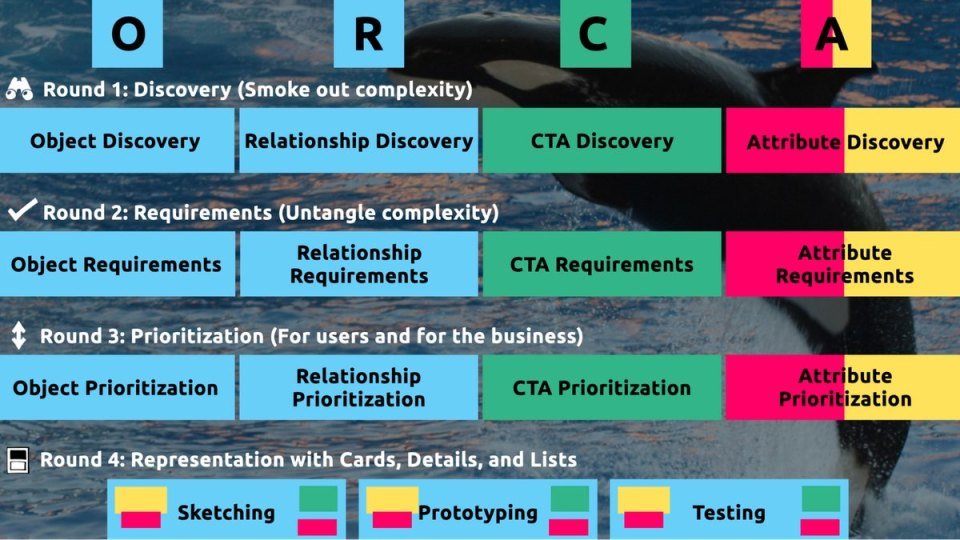
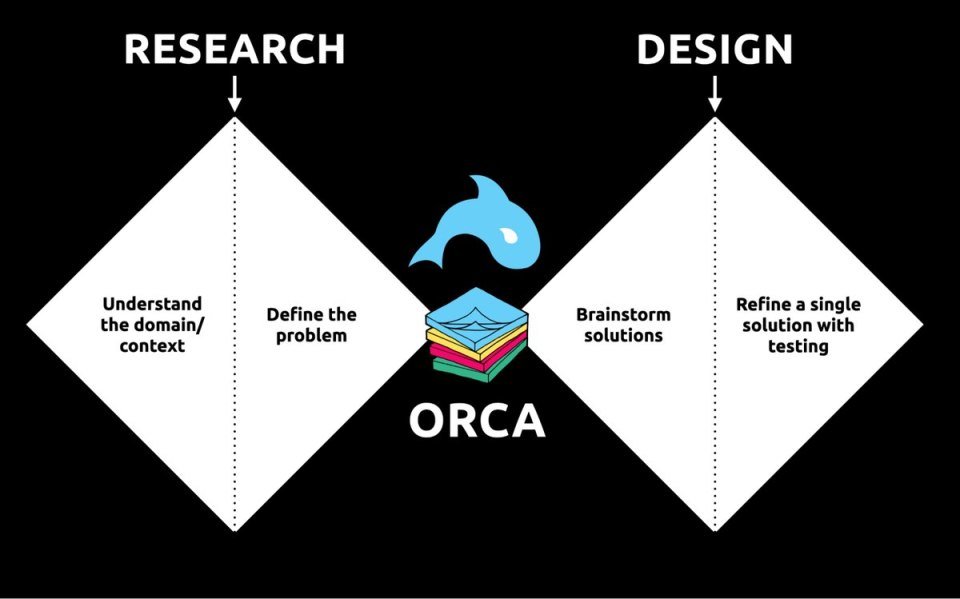
Prater anchors her approach in the ORCA framework (Objects, Relationships, CTAs, Attributes), a systematic process for translating research into architectural foundations. The brilliance lies in leveraging its initial phases – Object Discovery and Relationship Discovery – as diagnostic tools. These steps naturally expose inconsistencies in stakeholders' mental models about the product ecosystem. When stakeholders debate whether a 'saved response' differs from a 'template' in an email system, or dispute hierarchical relationships between domain entities, they effectively build the case for research themselves.
The Noun Foraging Prelude
Critical preparation involves what Prater terms 'noun foraging' – systematic collection of domain-specific terminology from existing artifacts. This linguistic archaeology surfaces potential system objects (tested through the SIP criteria: Structure, Instances, Purpose) and identifies ambiguous terms requiring clarification. The process transforms the designer into an investigative synthesizer, gathering textual evidence that later fuels stakeholder discussions. This preparatory work ensures workshops focus on high-impact terminological ambiguities rather than wandering through abstract debates.
Workshop Dynamics as Change Agent
The Object Definition Workshop employs six strategic question sequences that methodically expose knowledge gaps:
- Definitional disagreements ('What is this thing?')
- User terminology misalignment ('What do users call this?')
- Conceptual overlap ('Are these the same thing?')
- Relational ambiguity ('What connects these?')
- Scope prioritization ('What matters most?')
- System visualization ('How does this all fit together?')
Each question layer compounds stakeholder awareness of assumptions. The visual mapping phase proves particularly potent, as diagramming object relationships surfaces unexpected complexities and dependencies. Prater astutely notes that when stakeholders independently label unanswered questions as 'high-risk,' research transitions from luxury to necessity.
Implications for Design Practice
This approach fundamentally repositions UX research from cost center to risk mitigation strategy. By shifting focus from generic user needs ('understand doctors better') to specific structural uncertainties ('can patients have multiple primary doctors?'), it creates actionable research pathways. More profoundly, it establishes object modeling as prerequisite to interface design – a paradigm that could prevent countless failed projects rooted in premature screen design.
Implementation Considerations
While promising, the method assumes stakeholder availability for intensive workshops and requires diplomatic facilitation to avoid defensive reactions. Distributed teams may need adapted digital collaboration approaches. The technique works best for systems managing complex domain entities rather than simple transactional interfaces. Notably, it demands UX practitioners comfortable with business analysis techniques alongside design skills.
Prater's methodology offers more than research advocacy tactics; it presents a philosophical shift toward object-oriented systems thinking in UX. By making structural relationships central to the design conversation, it elevates UX from surface-level aesthetics to fundamental information architecture. For teams repeatedly encountering post-launch confusion and feature misalignment, this object-centric approach might finally bridge the perennial gap between stakeholder confidence and user reality.
Comments
Please log in or register to join the discussion