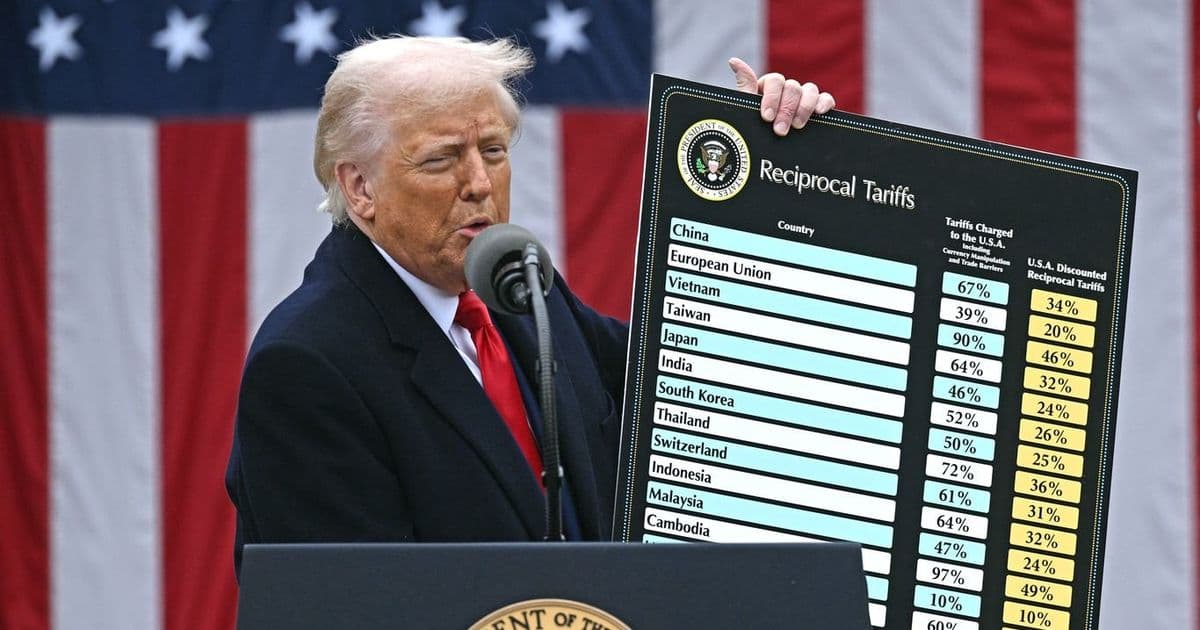
Democratic lawmakers are pushing for $1,700 refunds to American households affected by Trump's reciprocal tariffs, citing mounting economic damage and consumer hardship.
Democratic lawmakers are escalating their push for economic relief, demanding that the federal government issue $1,700 refunds to American households to offset the mounting costs of President Trump's reciprocal tariffs. The proposal comes as new economic data reveals the far-reaching impact of the trade policies on consumer prices, business operations, and overall economic growth.
Economic Impact Widens
The $1,700 figure represents the estimated average cost per household from increased prices on imported goods, according to Democratic economists. The calculation factors in higher costs for consumer electronics, household appliances, automotive parts, and various manufactured goods that have seen price increases of 10-25% since the tariffs took effect in April 2025.
Business groups report that small and medium-sized manufacturers are particularly hard hit, with many facing difficult choices between absorbing costs or passing them to consumers. The National Federation of Independent Business estimates that 68% of small manufacturers have experienced increased production costs directly attributable to the tariffs.
Political Battle Lines
Senate Minority Leader Chuck Schumer has framed the refund proposal as a necessary corrective measure, arguing that the tariffs represent a hidden tax on American consumers. "Working families are bearing the brunt of these policies while big corporations and foreign governments adjust their strategies," Schumer stated during a press conference.
The refund proposal faces steep odds in the Republican-controlled Congress, where party leaders continue to defend the tariffs as leverage in trade negotiations. House Speaker Mike Johnson characterized the Democratic plan as "election-year theatrics" that would undermine America's negotiating position.
Market Reactions
Financial markets have shown increased volatility since the tariff announcements, with the S&P 500 experiencing a 4.2% decline in the weeks following the April 2025 implementation. Technology and manufacturing sectors have been especially affected, with companies like Apple, Intel, and Ford reporting supply chain disruptions and cost increases.
Consumer Behavior Shifts
Retail data indicates that American consumers are already adjusting their spending patterns in response to price increases. Electronics retailers report a 15% drop in sales of imported goods, while domestic alternatives have seen modest gains. Consumer confidence indices have fallen to their lowest levels since 2022, suggesting broader economic concerns.
International Response
Trading partners have responded with retaliatory measures, targeting American agricultural exports and manufactured goods. The European Union has imposed tariffs on $20 billion worth of U.S. products, while China has restricted imports of American soybeans and pork. These countermeasures have created additional pressure on American farmers and exporters.
Economic Forecast
Independent economic analysts project that if current tariff policies remain in place, GDP growth could slow by 0.5-1.0 percentage points over the next two years. The Congressional Budget Office estimates that the tariffs could reduce federal revenue by $1.4 trillion over the next decade when accounting for reduced economic activity.
What Happens Next
The refund proposal is expected to face its first procedural vote in the Senate within the next two weeks. While passage appears unlikely, Democratic strategists view the vote as an opportunity to highlight economic concerns ahead of the 2026 midterm elections. Meanwhile, business groups continue to lobby for alternative approaches, including targeted exemptions and negotiated settlements with key trading partners.
The debate over tariff policy represents a fundamental divide between those who view aggressive trade measures as necessary for American economic security and those who argue that the costs to consumers and businesses outweigh potential benefits. As both sides prepare for what could be a protracted economic and political battle, American households continue to navigate the practical impacts of higher prices and economic uncertainty.
Comments
Please log in or register to join the discussion