Baldur Bjarnason argues that the software industry’s dominance rests on a U.S. technopoly that is now collapsing under geopolitical upheavals, financial over‑extension and the rise of competing powers. As the old order crumbles, the industry’s control‑centric model no longer fits, leaving a gap where a new, sustainable paradigm has yet to emerge.
The Old World of Tech Is Dying and the New Cannot Be Born
14 May 2026 – Baldur Bjarnason
When I first arrived in the UK, strangers would immediately try to fit me into a Viking narrative, even though Iceland’s history is more about isolated farming than raiding. That mis‑framing mirrors a deeper cultural habit: the tendency to treat singular events as epoch‑defining revolutions. Christianity, with its millenarian expectations, trained me to hear phrases like “this changes everything!” and to look for a clean before‑and‑after in history, politics, and technology.
From Millennial Revelations to Incremental Diffusion
Thomas Kuhn’s The Structure of Scientific Revolutions appears to codify the “revelatory” view of progress, but a careful reading shows a slower diffusion of ideas. New paradigms coexist with the old, and most practitioners never adopt the new model. This pattern recurs in software: a fresh framework may feel transformative to an individual, yet the broader ecosystem shifts only gradually, if at all.
The Technopoly of the United States
Neil Postman coined technopoly to describe a culture where technology becomes the sole arbiter of legitimacy. The 1999 arrest of Dmitry Sklyarov under the DMCA illustrated this perfectly. Sklyarov’s research exposed a broken DRM system, yet the legal response cared not about the technical merit of his findings but about defending the myth that technology‑driven solutions are inherently correct. In a technopoly, policy, law, and culture are filtered through the lens of technology, not through the lens of human need.
How the Technopoly Became Global
The modern tech industry depends on a set of uniform rules that the United States has imposed worldwide:
- Policy uniformity – Most global platforms obey U.S. law because the U.S. controls the underlying payment infrastructure and data‑hosting ecosystems.
- Economic leverage – The dollar‑based petrodollar system and the dominance of U.S. capital markets make it costly for nations to deviate.
- Regulatory capture – Initiatives like the EU’s GDPR appear to challenge U.S. tech firms, yet their many exemptions and compliance costs primarily affect smaller competitors, leaving the giants untouched.
These mechanisms have allowed companies that once seemed like niche startups—Airbnb, Uber, Microsoft’s Office 365—to become de‑facto global regulators of entire industries.
Cracks in the Hegemony
Two forces are eroding this order:
- Financial over‑extension – The 2007‑08 crash turned the U.S. economy into a financial‑centric machine, diverting capital away from research, education, and infrastructure. An economy saturated with speculative finance inevitably loses its capacity for long‑term innovation.
- Geopolitical competition – China’s rise and the United States’ waning rule‑of‑law in finance have strained the western alliance. The EU’s “equitable surrender” to U.S. tech policy now feels increasingly untenable as domestic pressures mount against platform monopolies.
The Hormuz Crisis as a Catalyst
When the Strait of Hormuz was blocked, the immediate fallout was a spike in oil prices, but the deeper consequence was a rapid acceleration of the U.S. hegemony’s unraveling. Asian allies, historically the most reliable U.S. partners, faced immediate food‑security threats and began seeking alternatives: paying for oil in yuan, using cryptocurrencies for sanctions‑busting, and exploring renewable energy ties with China. The petrodollar bargain, already fraying, suffered a decisive blow.
The Software Industry’s Identity Crisis
Software companies have spent the last decade shifting from value creation to control acquisition:
- From tools to levers – Instead of building better hotel‑management software, firms aim to own the entire hospitality ecosystem through subscription models.
- From products to platforms – Word became Office 365, Photoshop is being replaced by generative image models, and rides‑hailing apps now seek to own urban mobility itself.
- From optionality to necessity – Generative AI promises to become the universal intermediary for language, media, and office work, but its power rests on political privilege: data‑center permits, copyright exemptions, and immunity from liability granted by U.S. policy.
When the underlying U.S. empire collapses, the scaffolding that allowed these control‑centric strategies to flourish will disappear. Even open‑source projects, which rely on a shared legal framework for licensing, will confront a fragmented, jurisdiction‑specific future.
Implications for Practitioners and Policy‑Makers
- Rethink business models – Subscription‑only revenue streams that depend on lock‑in will become vulnerable when regulators regain the ability to enforce antitrust measures across borders.
- Invest in locality – Companies that can adapt their services to comply with diverse national regulations will gain a competitive edge as the global platform model fragments.
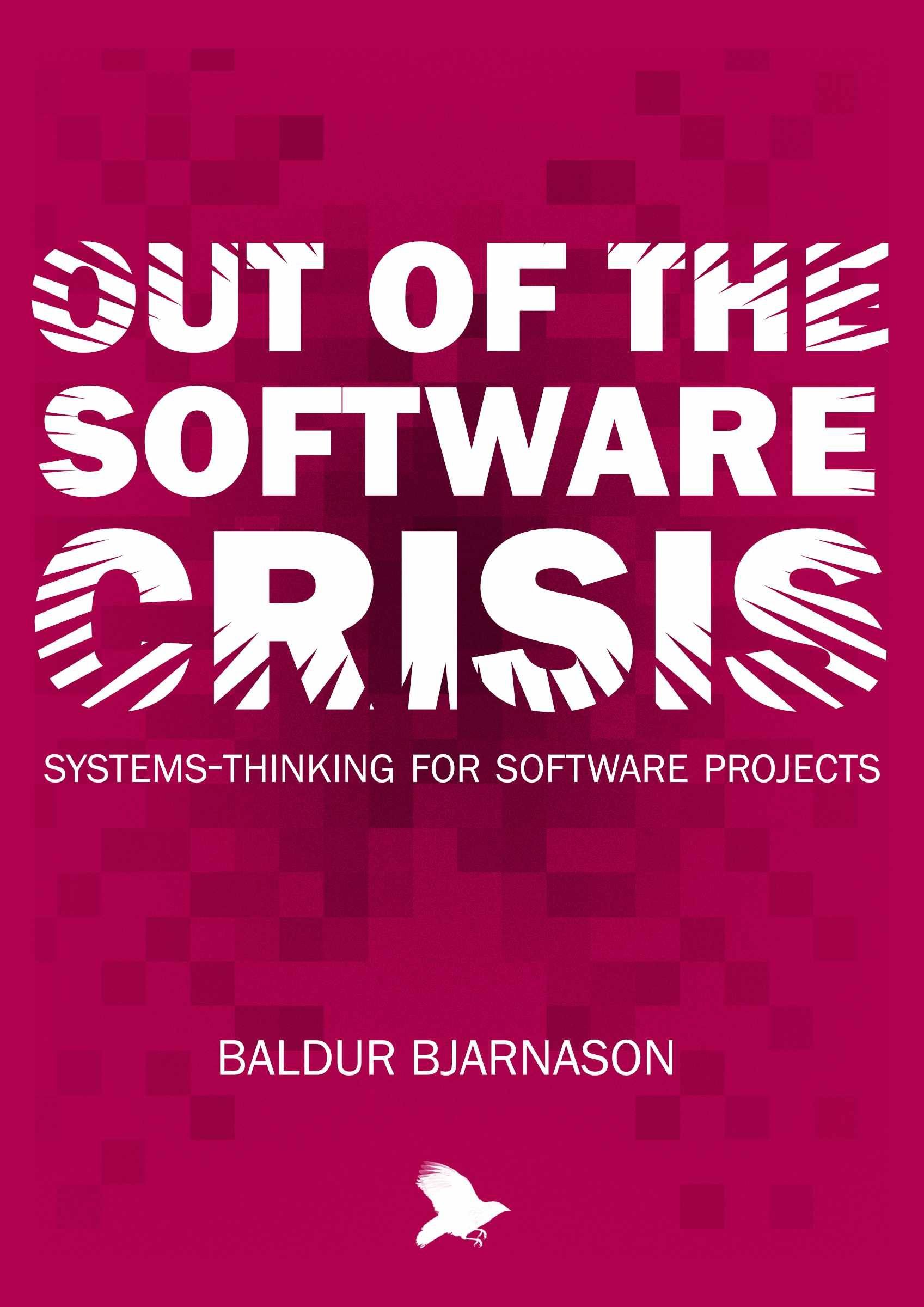
- Emphasize resilience over scale – Systems‑thinking, as outlined in my book Out of the Software Crisis, becomes essential when the assumption of a stable, universal market no longer holds.
- Policy focus on societal outcomes – Regulations should evaluate technology by its impact on health, education, and democratic participation, not merely by whether it aligns with existing technical standards.
Counter‑Perspectives
Some observers claim that the decline of U.S. dominance will simply be filled by another hegemon—perhaps China—so the technopoly will persist under a different flag. Others argue that the rise of decentralized technologies (blockchain, peer‑to‑peer networks) will render any single nation’s control irrelevant. Both views underestimate the inertia built into today’s software supply chains: legacy code, entrenched data‑center locations, and the massive cost of migrating billions of users to new infrastructures.
Looking Ahead
Antonio Gramsci’s warning that “the old is dying and the new cannot be born” captures the paradox we now face. The software industry’s historical reliance on a U.S.‑driven technopoly is eroding, yet no clear alternative has emerged. The period ahead will likely be marked by fragmentation, experimental governance models, and a search for a sustainable paradigm that balances technological capability with societal well‑being.
If you are interested in a practical framework for navigating this turbulence, consider my book Out of the Software Crisis: Systems‑Thinking for Software Projects – a guide to building resilient software that can survive the collapse of the old order.
Comments
Please log in or register to join the discussion