Simulations reveal mathematically optimal methods for airplane boarding exist, yet airlines persist with inefficient systems due to complex social and operational constraints.
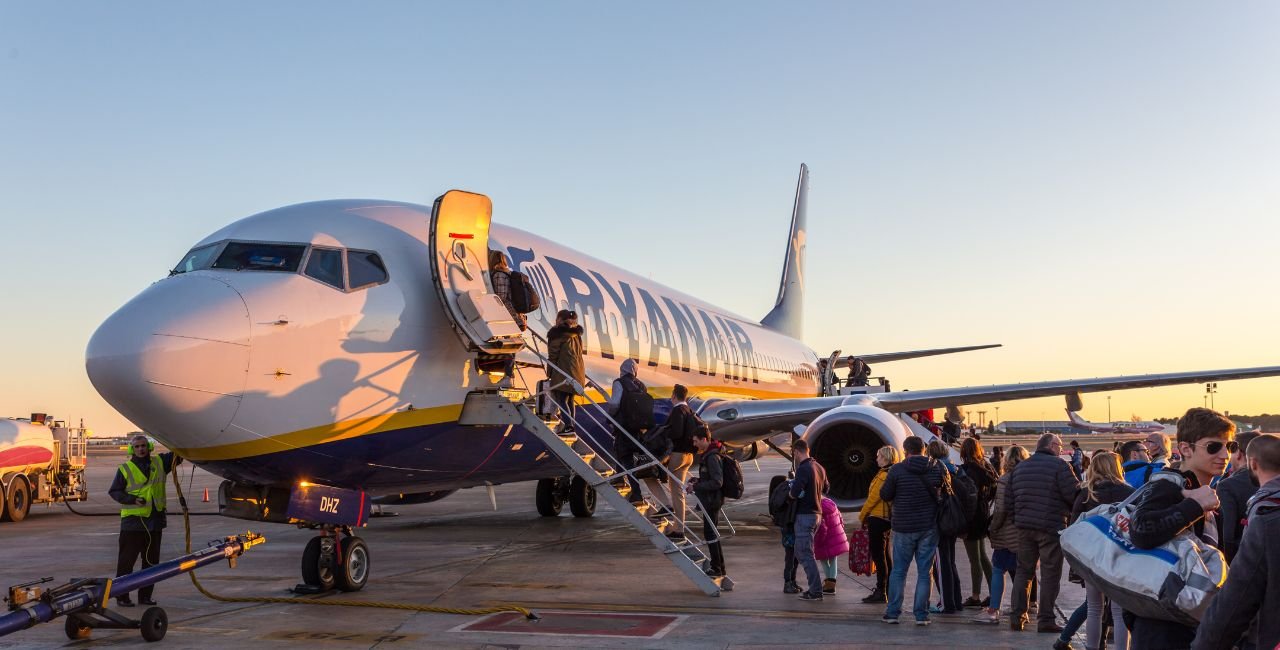
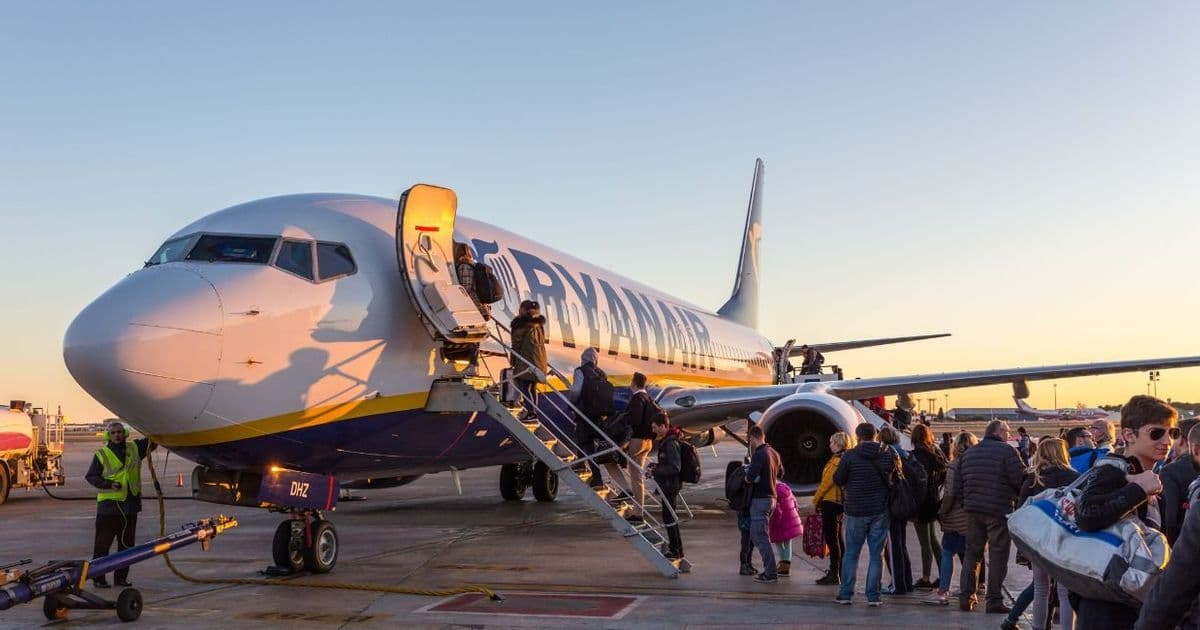
Anyone who has endured the glacial crawl of airplane boarding recognizes the visceral frustration of watching a single traveler block an entire aisle while wrestling oversized luggage into an overhead bin. This common experience masks a deeper systemic puzzle: Why do airlines persist with demonstrably inefficient boarding methods when research has proven faster alternatives? The answer reveals a collision between mathematical optimization and the messy realities of human behavior.
Consider a standard aircraft configuration: 20 rows with six seats arranged in a 3-3 pattern along a single aisle. Airlines typically deploy back-to-front boarding, grouping passengers by row zones. Intuitively, this seems rational—sequencing passengers from rear to front should prevent those ahead from obstructing those behind. Yet simulations reveal this method creates predictable bottlenecks. When Zone 1 boards, all passengers cluster in rear rows simultaneously, forming queues behind each bag-stowing traveler. The aisle becomes paralyzed while front rows remain empty, turning what should be parallel processing into serial congestion. Averaging 433 steps to seat 120 passengers, this approach is fundamentally flawed by its concentration of activity in confined spaces.
Surprisingly, abandoning structure altogether proves superior. Random boarding—allowing passengers to enter without grouping—averages just 342 steps. The apparent chaos scatters travelers across the aircraft, enabling parallel bag stowage. A passenger in row 3 can stow luggage unimpeded while another handles row 17, eliminating centralized bottlenecks. This counterintuitive efficiency stems from distributed workload, transforming the cabin into a decentralized system where multiple actions occur concurrently rather than sequentially.
The Window-Middle-Aisle (WilMA) method refines randomness with mild organization. By boarding all window seats first, followed by middle and aisle seats, it achieves a 336-step average—slightly faster than pure randomness. This sequence minimizes the disruptive "seat shuffle" where seated passengers must stand to accommodate neighbors, though simulations show this contributes less to delays than baggage handling. While some airlines reportedly use WilMA, its real-world implementation remains rare, hinting at barriers beyond pure efficiency.
True optimization emerges in physicist Jason Steffen's theoretical model. His algorithm sequences passengers in precise order: back-to-front, alternating rows and sides, windows first. Consecutive passengers always target rows at least two apart, creating perfect parallel processing. Yellow dots in simulations bloom simultaneously across rows like synchronized neurons firing, seating all passengers in just 205 steps. This method transforms the aisle into a frictionless pipeline where no traveler ever blocks another. Yet its beauty remains theoretical—the logistical nightmare of enforcing exact boarding order at a crowded gate would outweigh time savings. As Steffen acknowledges, humans resist robotic coordination.
Practical compromise arrives in a modified Steffen approach: four boarding groups alternating sides and rows (e.g., left-side odd rows first), maintaining window-middle-aisle sequence within groups. At 206 steps, it nears theoretical perfection while accommodating real-world variables like families traveling together. The results starkly contrast standard practices:
| Method | Average Steps |
|---|---|
| Front-to-Back | 497 |
| Back-to-Front | 433 |
| Random | 342 |
| WilMA | 336 |
| Modified Steffen | 206 |
| Steffen Perfect | 205 |
Why then do airlines cling to slower methods? Boarding groups serve functions beyond throughput. Loyalty programs prioritize premium passengers; families require grouping; special assistance needs complicate sequencing. Airlines balance efficiency against revenue optimization, customer satisfaction metrics, and operational flexibility. Gate agents manage boarding not as discrete optimization puzzles but as social negotiations where crying infants or elite-status travelers disrupt algorithms. The yellow dots in simulations lack preferences, emotions, or oversized carry-ons—precisely what makes human systems irreducible to pure computation.
This tension between ideal and actual reflects a broader technological truth: Optimization fails when divorced from context. As aviation researcher Mark Vanhoenacker notes, boarding constitutes a "ritual" where social dynamics outweigh mechanical efficiency. Airlines accept marginal time penalties to avoid passenger dissatisfaction from separated families or perceived status demotion. The persistence of inefficient boarding thus becomes a case study in how human systems resist pure algorithmic governance, prioritizing psychological comfort and economic incentives over theoretical maxima.
For deeper exploration, consult Jason Steffen's foundational paper Optimal boarding method for airline passengers and his experimental follow-up. CGP Grey's video The Airplane Boarding Method That’s Too Perfect To Use provides engaging contextualization. These resources underscore that while mathematics can illuminate better paths, implementation requires navigating the intricate terrain where numbers meet human nature.
Comments
Please log in or register to join the discussion