
As '123456' remains the internet's most common password, password managers have evolved from niche tools to essential defenses against rampant credential theft. This comprehensive analysis reveals top contenders like Bitwarden and Proton Pass, dissecting their security architectures, passkey integration, and why self-hosting might be your best bet for ultimate control in 2025.

Even as cyberattacks surge, '123456' and 'password' stubbornly cling as the web's most-used credentials—a testament to the human struggle with digital security. Password managers have long been the prescribed solution, but today's landscape demands more than basic vaults: zero-knowledge encryption, cross-platform sync, and emerging passkey support are non-negotiable. After rigorous testing and analysis of leading services, it's clear that the right choice hinges on balancing convenience, cost, and uncompromising security.
Why Browser Managers Fall Short
While Chrome and Safari offer built-in password storage, they lack enterprise-grade security. As noted in the WIRED review: "Browser-based password managers are limited... trivially easy to decrypt if someone has access to your PC." For developers handling sensitive code or infrastructure keys, dedicated managers with end-to-end encryption are essential. Apple’s iCloud Keychain is viable for Apple-only ecosystems but falters on cross-platform flexibility—a critical gap in multi-device workflows.
Passkeys: The Future (Almost) Here
Passkeys, leveraging FIDO Alliance standards, promise a passwordless future by using cryptographic key pairs stored on devices. Services like Bitwarden and 1Password now fully support passkey generation and syncing, acting as a bridge during this transition. > "Think of passkeys as credit cards next to the cash (passwords) in your wallet," the WIRED team advises. Yet until widespread adoption, password managers remain indispensable for managing hybrid environments.
Top Picks: Security Under the Microscope
Bitwarden: Best for Most (Especially the Security-Conscious)
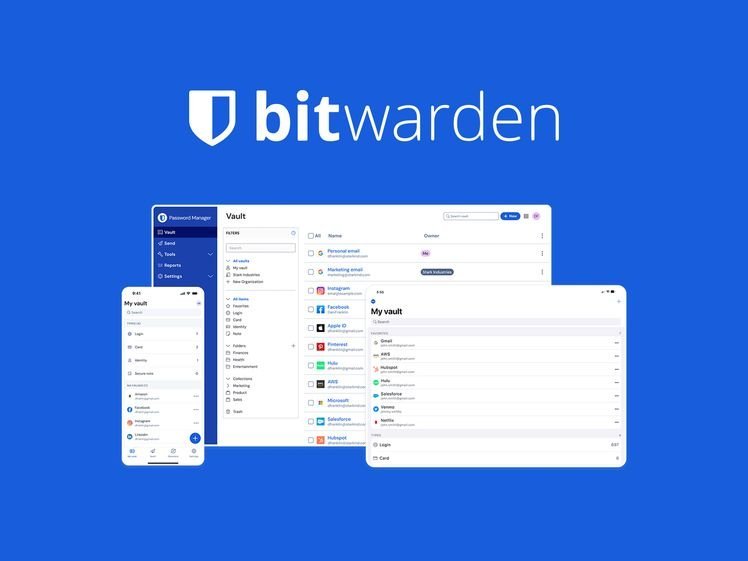
Bitwarden's open-source model and audited, zero-knowledge architecture make it a standout. Its free tier includes unlimited passwords and cross-device sync, while Premium ($10/year) adds 1GB encrypted storage and YubiKey 2FA. Crucially, it allows self-hosting—ideal for DevOps teams requiring full control over their vaults. Passkey support extends to logging into Bitwarden itself, nearly eliminating master passwords.
Proton Pass: Best Free Alternative
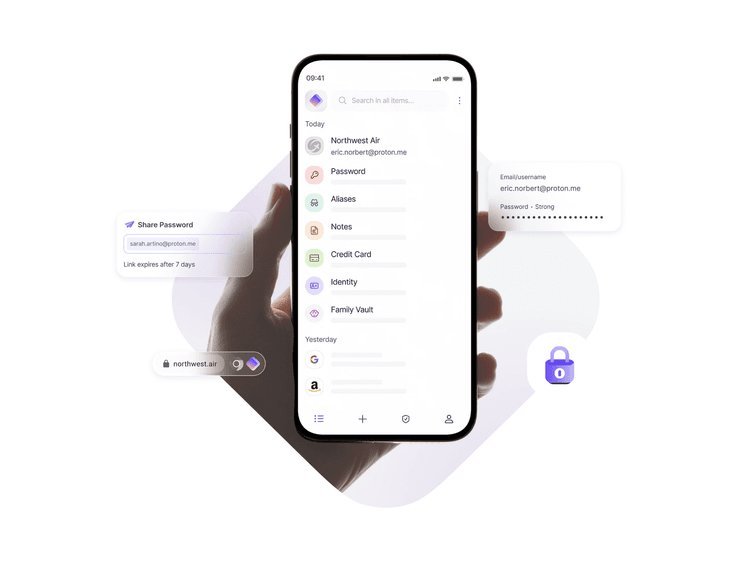
Proton Pass challenges paid rivals with a robust free plan featuring unlimited logins, passkey storage, and seamless Proton ecosystem integration. Its paid Pass Plus tier ($36/year) includes 10GB encrypted storage—dwarfing competitors' 1GB offerings—and custom email aliases to mask identities. The password history feature, retaining generated passwords for two weeks, solves a common frustration: accidental clipboard clears.
1Password: Best for High-Risk Environments
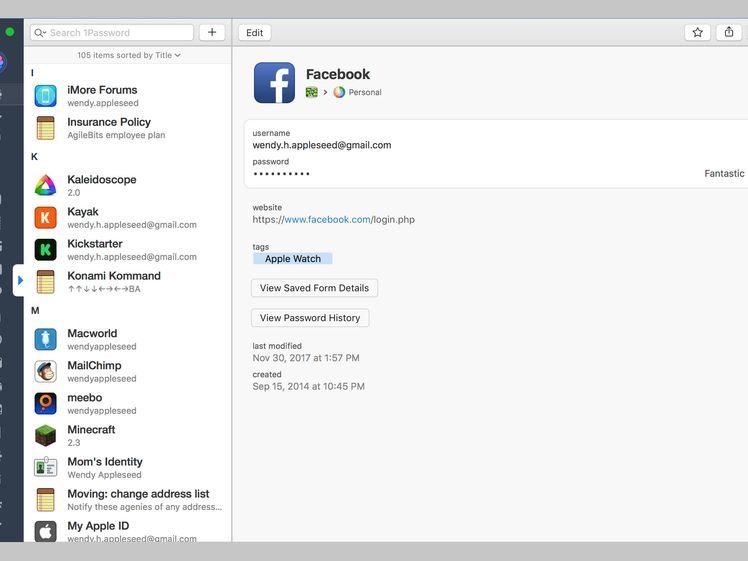
1Password excels with unique extras like Travel Mode, which temporarily erases sensitive vault data from devices during border crossings—a boon for frequent travelers. Its secret key system (separate from the master password) enhances security but demands careful backup. At $36/year, it includes 1GB storage and doubles as a 2FA authenticator, though it lacks Bitwarden's transparency.
Dashlane & NordPass: Premium Perks at a Price
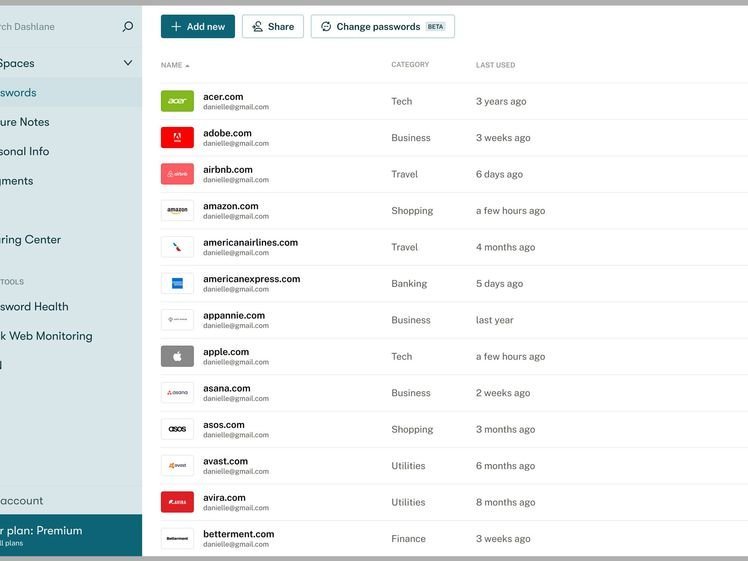
Dashlane ($60/year) bundles VPN access and dark-web monitoring but sacrifices desktop apps. NordPass ($36/year) uses XChaCha20 encryption and integrates with NordVPN, though its free tier restricts device access. Both suit users prioritizing bundled services over cost efficiency.
The Self-Hosted Edge: For Absolute Control
For those wary of cloud dependencies, Enpass and KeePassXC offer offline vaults synced via services like Nextcloud. Enpass ($24/year) provides a polished interface and passkey support, while KeePassXC (free) appeals to Linux purists with CLI tools. Self-hosting minimizes attack surfaces but requires technical upkeep—perfect for sysadmins or privacy maximalists.
Why Autofill is a Security Gamble
Automatic form-filling, while convenient, has historically exposed managers to exploits. WIRED's testing emphasizes manual filling: "Disable this feature... automatically filling forms has made password managers vulnerable." Services like 1Password make this opt-in, but vigilance remains key.
The Verdict: Beyond the Vault
Password managers aren't just convenience tools; they're frontline defenses in a war against credential stuffing and phishing. As passkeys gain traction, managers that seamlessly integrate them—like Bitwarden and Proton Pass—will lead. For developers, the choice boils down to trust: open-source verifiability (Bitwarden), premium features (1Password), or sovereign control (KeePassXC). In an age where one breached password can cascade into organizational chaos, settling for anything less than zero-knowledge encryption is digital negligence.
Source: WIRED, 'Best Password Managers' (September 2025)
Comments
Please log in or register to join the discussion