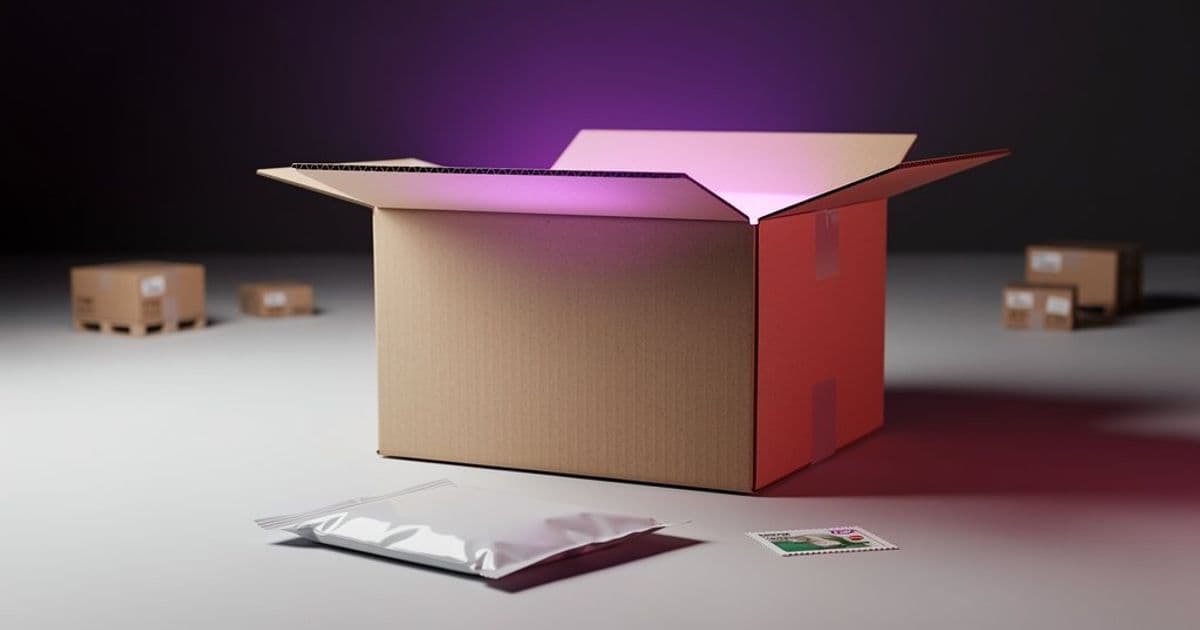
A creative workaround leverages Amazon Prime's free shipping to deliver physical items at prices lower than USPS postage, transforming mundane purchases into memorable social experiences.
In a curious twist on modern logistics, individuals have discovered that sending physical goods through Amazon Prime can cost significantly less than mailing a traditional letter. With USPS first-class stamps now priced at $0.78, Amazon Prime's free shipping on orders over $25 enables users to ship individual items priced below that threshold—effectively creating a postal arbitrage opportunity. This isn't about saving pennies; it's a social experiment turning e-commerce infrastructure into an unconventional communication channel.
How It Works
The process is straightforward: users browse Amazon's marketplace for Prime-eligible items priced under $0.78, add a free gift note during checkout, and ship directly to recipients. Items arrive within 1-2 days, bypassing postage entirely. Recent examples include practical goods like screws ($0.51), russet potatoes ($0.56), and tomato sauce ($0.53), alongside whimsical picks such as single-serve Kool-Aid packets ($0.42) or acrylic paint ($0.58). Each item becomes a physical token attached to a personal message—far more tangible than a postcard.
The Social Catalyst
The true value emerges in unexpected social engagement. One user reported sending $1 cans of beans to extended family in 2023, sparking weeks of group chat activity as recipients shared photos of their deliveries. This evolved into a chain reaction where family members began shipping absurdities like asbestos warning labels, cookies, and even pregnancy tests to one another. The randomness amplifies emotional resonance; a can of sauce with a birthday note creates laughter and lasting memories precisely because it defies conventional gifting logic.
Broader Implications
This hack highlights three critical shifts: First, it exposes the growing cost disparity between legacy mail systems and subsidized e-commerce logistics. Amazon's scale allows micro-shipments at near-zero marginal cost, while USPS faces fixed infrastructure expenses. Second, it repurposes efficiency-driven supply chains for human connection—using algorithms and warehouses to deliver surprise instead of convenience. Third, it demonstrates how platforms unintentionally enable new behaviors; Amazon designed Prime for bulk shopping, not penny-item sentimentalism.
Potential ripple effects include increased scrutiny of shipping economics or creative misuse by artists and marketers. However, users should note limitations: inventory fluctuates rapidly (prices update every few minutes), and not all sub-$0.78 items qualify for individual shipping. While Amazon hasn't endorsed this practice, it currently operates within their terms.
For those curious to experiment, browse Amazon's Grocery and Home Improvement categories. Track real-time pricing via Keepa, and reference current USPS rates at USPS Postal Prices. The postal arbitrage phenomenon ultimately asks: When physical delivery becomes cheaper than paper mail, what new forms of connection might emerge?
Comments
Please log in or register to join the discussion