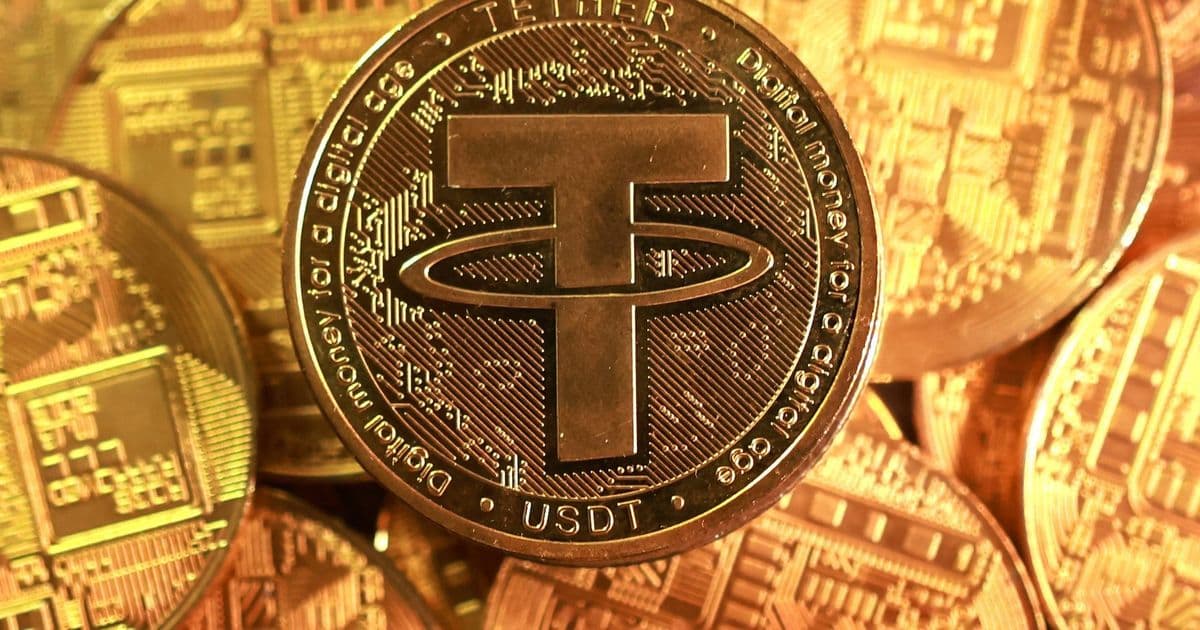
Tether has frozen $4.2 billion worth of its USDT stablecoin tokens due to connections with illicit activities, including $3.5 billion since 2023 and $61 million linked to pig-butchering scams.
Tether, the company behind the world's largest stablecoin USDT, has revealed it has frozen approximately $4.2 billion worth of its cryptocurrency tokens due to their connection with illicit activities. This disclosure comes amid growing scrutiny of the cryptocurrency industry's role in facilitating financial crimes and scams.
According to a report by Reuters, the stablecoin issuer has taken action against $3.5 billion worth of USDT tokens since 2023 alone. The most recent freeze involves $61 million linked to pig-butchering scams, a type of investment fraud that has become increasingly prevalent in the cryptocurrency space.
Understanding Pig-Butchering Scams
Pig-butchering scams, also known as "sha zhu pan" in Chinese, are sophisticated investment fraud schemes that typically target victims through social engineering tactics. Scammers build trust with victims over time, often through dating apps or social media, before convincing them to invest in fake cryptocurrency platforms. The term "pig-butchering" refers to the process of fattening up the victim (the "pig") before slaughtering them financially.
These scams have become particularly problematic in the cryptocurrency ecosystem due to the relative anonymity and speed of transactions. Once funds are transferred to the scammers' wallets, they can be quickly moved through multiple exchanges and converted to other cryptocurrencies, making recovery extremely difficult.
Tether's Response to Illicit Activity
Tether's decision to freeze these tokens represents a significant intervention in the cryptocurrency market. As the issuer of USDT, Tether has the technical capability to freeze tokens held in specific wallets, a power that has drawn both praise and criticism from the crypto community.
"We take our responsibility to combat illicit activity very seriously," a Tether spokesperson stated. "Our proactive measures to freeze funds connected to criminal activity demonstrate our commitment to maintaining the integrity of the cryptocurrency ecosystem."
However, this centralized control over what many consider a decentralized financial system has raised concerns among cryptocurrency purists who argue that such freezes contradict the fundamental principles of blockchain technology.
The Scale of the Problem
The $4.2 billion in frozen tokens represents a substantial portion of the cryptocurrency market's illicit activity. While exact figures are difficult to determine, various estimates suggest that between 0.15% and 0.34% of all cryptocurrency transactions are associated with illegal activities.
Tether's actions appear to be part of a broader trend among cryptocurrency companies to increase compliance measures and cooperate with law enforcement agencies. This shift comes as regulatory pressure on the industry intensifies globally, with governments seeking to prevent cryptocurrencies from being used for money laundering, terrorist financing, and other criminal activities.
Industry Reactions
The cryptocurrency community has responded to Tether's announcement with mixed reactions. Some industry participants applaud the company's efforts to combat financial crime, viewing it as a necessary step toward mainstream adoption and regulatory acceptance.
"Tether's actions demonstrate that the cryptocurrency industry can self-regulate effectively," said one blockchain analyst. "This kind of proactive compliance is essential for building trust with regulators and traditional financial institutions."
However, critics argue that the ability to freeze tokens undermines the core promise of cryptocurrency as a censorship-resistant form of money. They contend that such centralized control creates a single point of failure and contradicts the decentralized ethos of blockchain technology.
Regulatory Implications
The timing of Tether's disclosure is significant, coming as cryptocurrency regulation continues to evolve globally. In the United States, the Securities and Exchange Commission (SEC) and other regulatory bodies have increased their scrutiny of cryptocurrency companies, particularly those involved in stablecoin issuance.
European regulators have also been working on comprehensive cryptocurrency legislation, including the Markets in Crypto-Assets (MiCA) framework, which aims to establish clear rules for stablecoin issuers and other crypto businesses.
Tether's cooperation with law enforcement and its willingness to freeze illicit funds may be seen as an attempt to demonstrate good faith and compliance with emerging regulatory standards. This approach could potentially influence how other stablecoin issuers and cryptocurrency companies handle similar situations in the future.
Technical and Operational Challenges
Freezing cryptocurrency tokens is not a simple process. It requires sophisticated monitoring systems to identify suspicious activity, coordination with law enforcement agencies, and the technical capability to execute freezes across multiple blockchain networks.
Tether's USDT operates on multiple blockchains, including Ethereum, Tron, and others. Each blockchain has its own technical architecture and governance model, which can complicate the process of freezing tokens. The company must navigate these technical challenges while ensuring that legitimate users are not inadvertently affected by the freezes.
The Future of Stablecoin Regulation
Tether's actions and the scale of illicit activity it has uncovered highlight the ongoing challenges facing the cryptocurrency industry. As stablecoins become increasingly important in the digital asset ecosystem, their role in facilitating both legitimate and illicit transactions will likely remain a focal point for regulators and law enforcement.
Some experts predict that stablecoin issuers will face increasing pressure to implement more robust compliance measures, including enhanced know-your-customer (KYC) procedures, transaction monitoring, and cooperation with authorities. This could lead to a bifurcation in the stablecoin market, with some issuers prioritizing compliance and others maintaining a more decentralized approach.
Conclusion
Tether's freezing of $4.2 billion in USDT tokens represents a significant intervention in the cryptocurrency market and highlights the ongoing tension between the industry's decentralized ideals and the practical need for compliance with financial regulations. As the cryptocurrency ecosystem continues to mature, the balance between these competing priorities will likely shape the future of digital assets and their role in the global financial system.
The scale of illicit activity uncovered by Tether also underscores the importance of continued vigilance and cooperation between cryptocurrency companies, law enforcement agencies, and regulators. While the technology behind cryptocurrencies offers many benefits, its potential for misuse remains a significant challenge that the industry must address to achieve widespread adoption and acceptance.
As regulatory frameworks continue to evolve and cryptocurrency companies adapt their compliance measures, the coming years will likely see further developments in how the industry handles illicit activity and balances the principles of decentralization with the practical needs of financial crime prevention.
Comments
Please log in or register to join the discussion