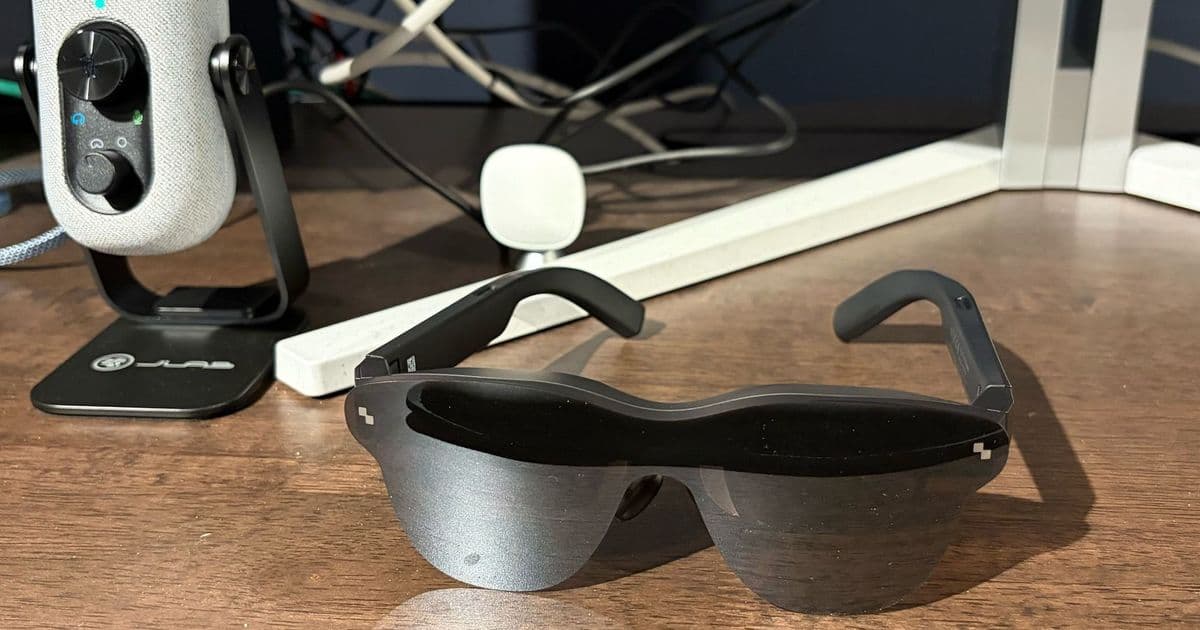
RayNeo's latest AR glasses bring HDR10 support and B&O-tuned audio to an already impressive value proposition, though build quality remains a concern.
The AR glasses market continues to evolve rapidly, with RayNeo's latest offering demonstrating how iterative improvements can create compelling products at accessible price points. The Air 4 Pro represents the company's fourth major iteration in its Air family, building upon the foundation laid by the Air 3s and Air 3s Pro.
Design Philosophy: Cost-Conscious Iteration
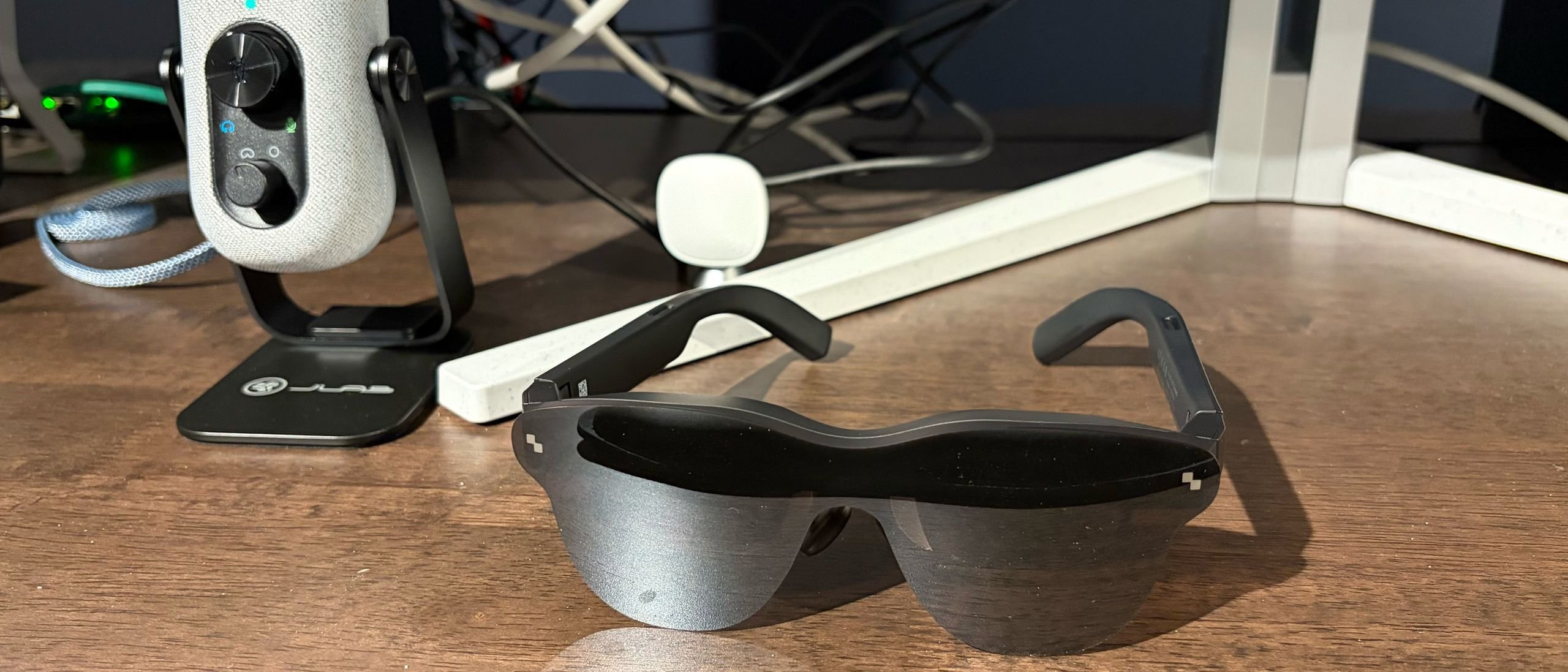
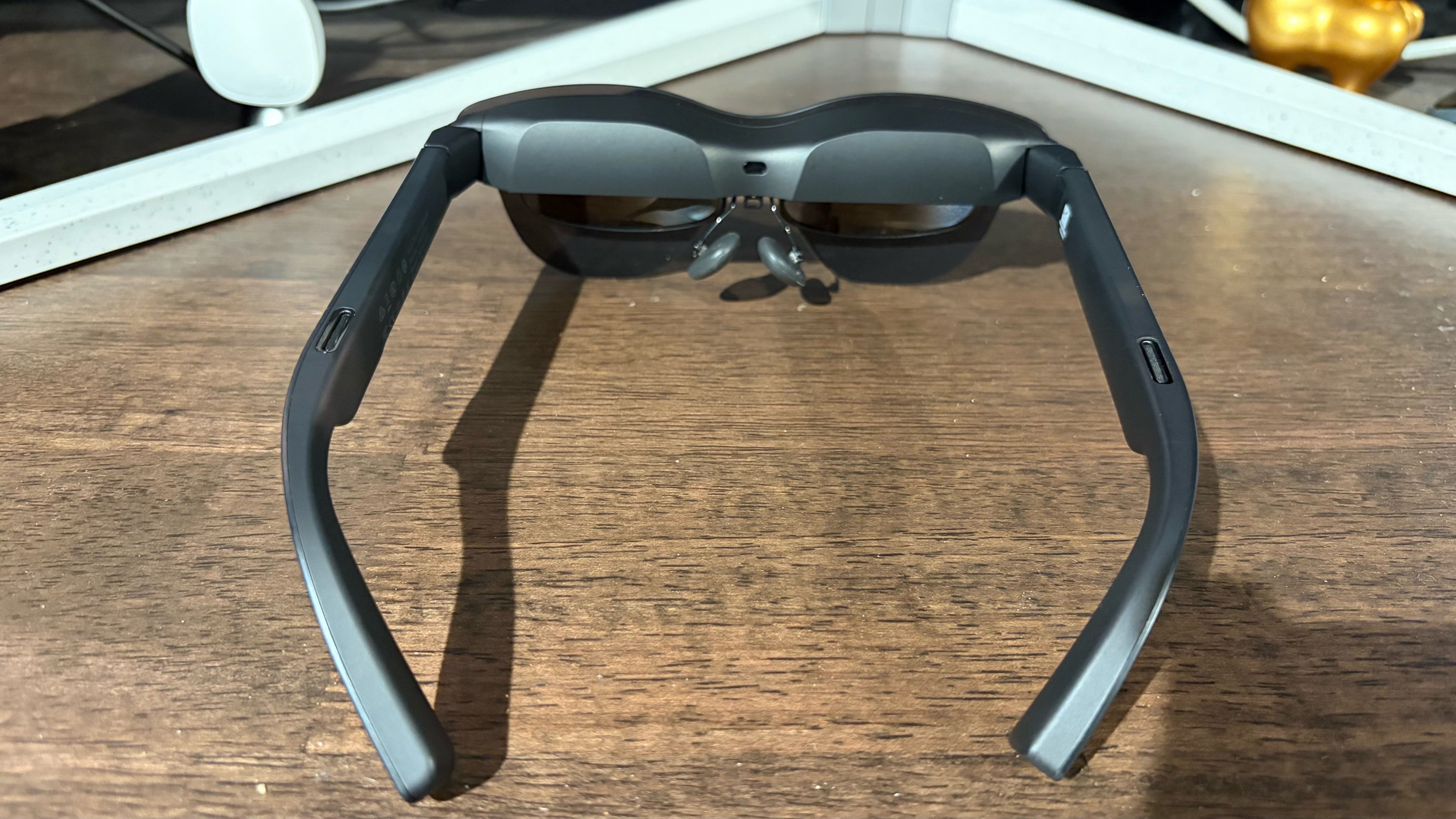
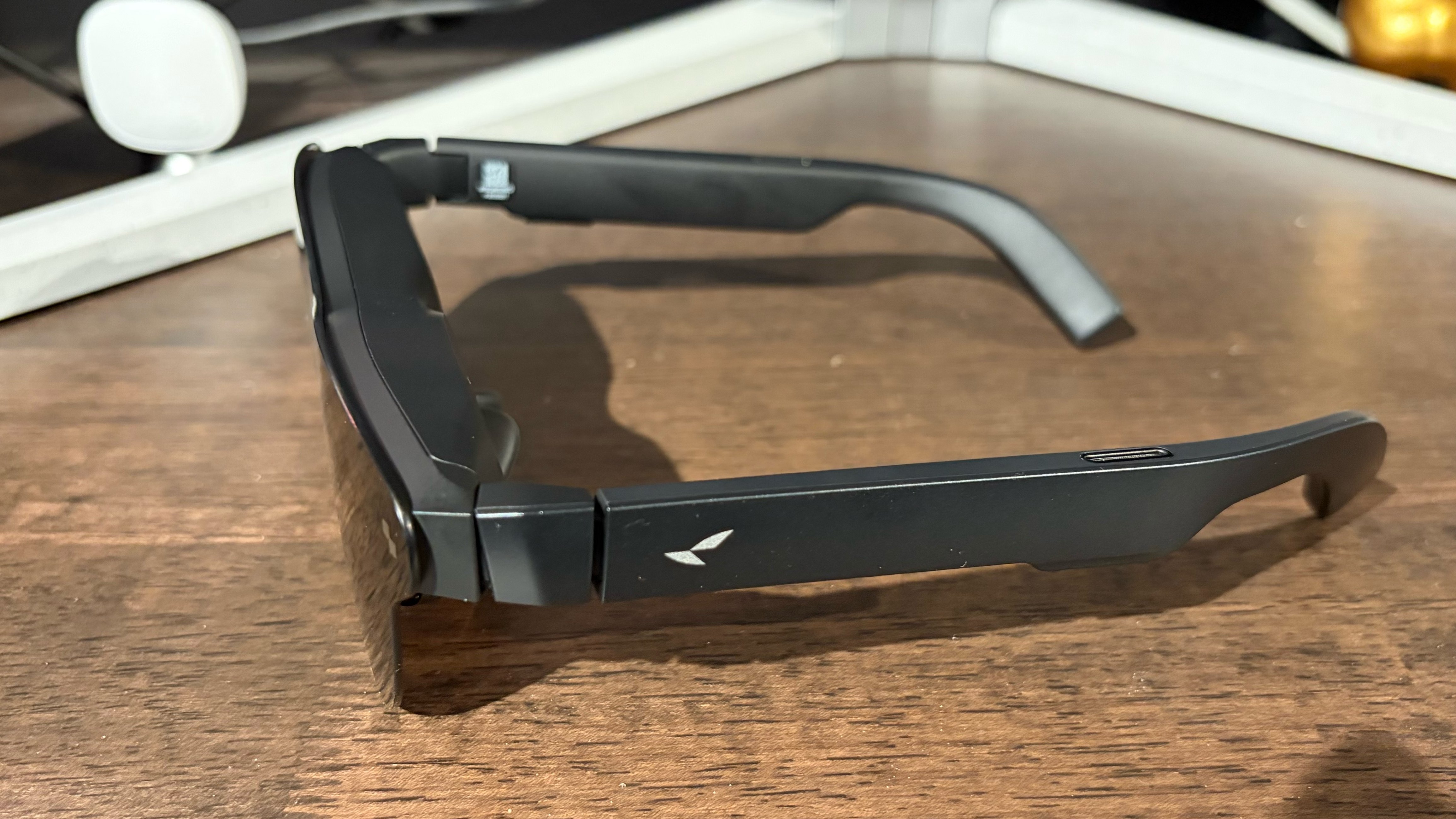
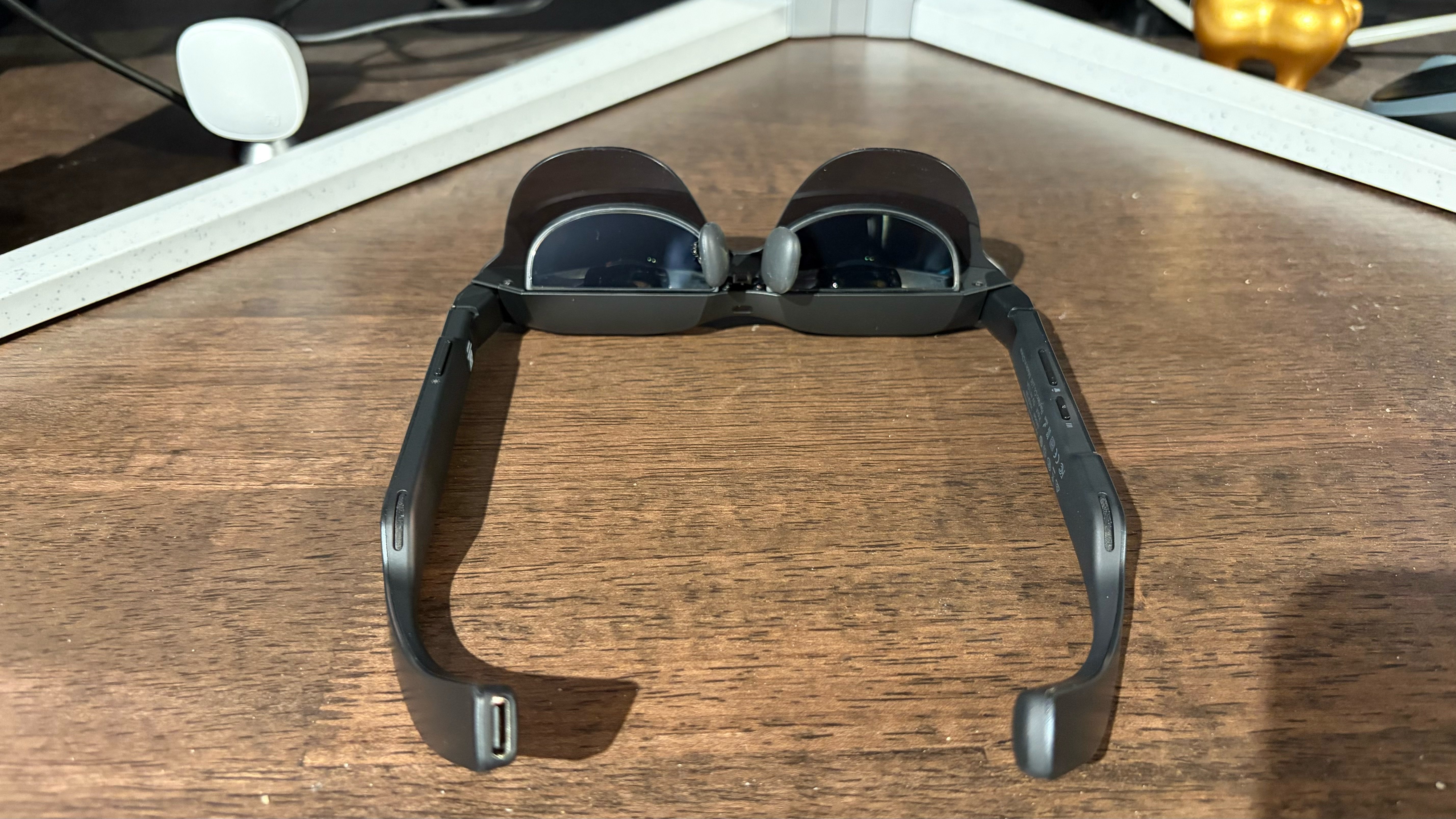
RayNeo maintains its strategy of keeping costs down through design reuse. The Air 4 Pro shares the exact chassis as its predecessors, weighing in at 2.68 ounces (76 grams) with identical plastic construction. This approach allows RayNeo to focus development resources on core technology improvements rather than cosmetic changes.
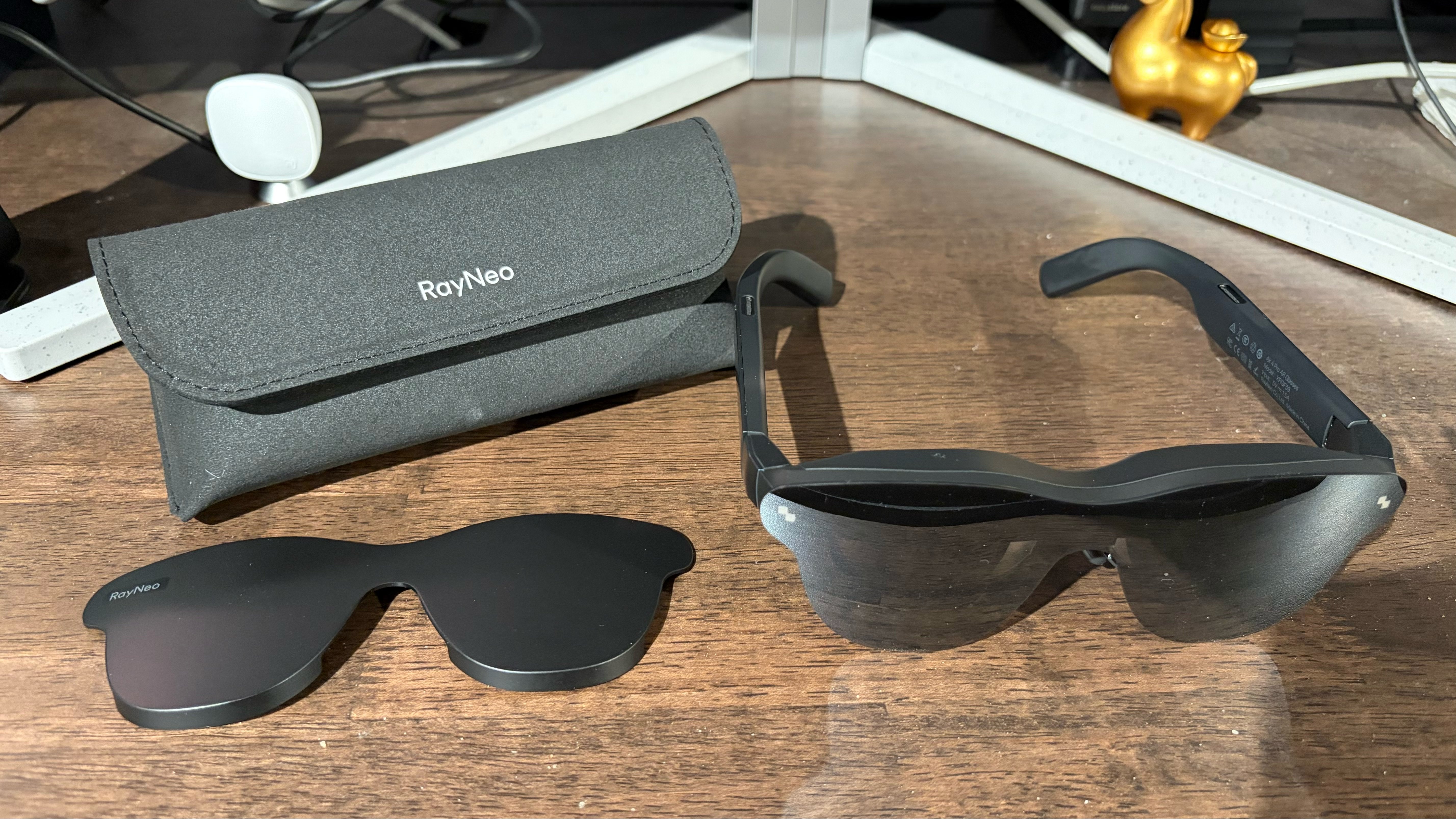
The most noticeable external change is the branding update - the left temple now features the RayNeo logo instead of text, while the right temple displays "Audio by Bang & Olufsen" to highlight the new audio partnership. However, the familiar felt carrying case returns, disappointing users who preferred the hard zipper case from earlier models.
Technical Specifications and Hardware
At the heart of the Air 4 Pro lies a custom Vision 4000 image-processing chip, enabling several key features:
- Display Technology: 0.6-inch MicroLED projectors from SeeYa
- Resolution: 1920 x 1080 per eye (3840 x 1080 in 3D mode)
- Refresh Rate: Up to 120 Hz
- Brightness: 1,200 nits
- Field of View: 47 degrees
- Contrast Ratio: 200,000:1 native
The HDR10 Advantage
The headline feature is HDR10 support, marking what RayNeo claims is a first in this AR glasses category. HDR10, developed by the UHD Alliance and Consumer Electronics Association, delivers:
- 10-bit color depth for smoother gradients
- Higher contrast ratios
- Wider color gamut
- Enhanced dynamic range
The implementation works seamlessly with existing content. Users can toggle between Standard, Movie, Eye Comfort, SDR, AI-HDR, and HDR10 modes via the hardware menu button. When HDR10 is selected, compatible content from platforms like YouTube and Disney+ displays with enhanced visual characteristics.
Audio Evolution with Bang & Olufsen
RayNeo's collaboration with Bang & Olufsen represents a significant upgrade to the audio system. The Air 4 Pro features quad open-air speakers that deliver:
- Improved clarity over previous generations
- Better spatial audio processing
- Enhanced bass response within the form factor constraints
- More effective Surround mode compared to the Air 3s Pro's Spatial option
While maximum volume decreased slightly from the Air 3s Pro, the overall audio quality improvement makes this a worthwhile trade-off for most users.
Practical Usage Experience
Real-world testing across multiple devices revealed the Air 4 Pro's versatility:
Mobile Gaming: The glasses pair excellently with handheld gaming devices like the Lenovo Legion Go, providing an immersive experience for games like Microsoft Flight Simulator.
Content Consumption: iPhone 17 users can enjoy movies and YouTube content while lounging, with the virtual screen size creating a theater-like experience.
Productivity: MacBook Air users benefit from the glasses' ability to create a massive virtual display, enabling comfortable upright viewing positions.
Outdoor Performance: The included plastic light blockers, finally bundled with the product, significantly improve outdoor usability by reducing ambient light interference.
Market Positioning and Competition
At $299 MSRP, the Air 4 Pro occupies an interesting position in the AR glasses market. The closest competitor, the Xreal One, retails around $449 - a $150 premium that buys better build quality but not necessarily better core functionality.
For budget-conscious consumers, the Air 3s Pro remains available at $229, offering most of the Air 4 Pro's features without HDR10 support. This creates a tiered product line that caters to different price sensitivity levels.
The Value Proposition
RayNeo's "slow and steady" approach has yielded impressive results. Each iteration has addressed specific pain points:
- Air 3s: Enhanced speaker system
- Air 3s Pro: Brighter Micro-OLED projectors
- Air 4 Pro: HDR10 support and B&O audio tuning
This methodical improvement strategy has created a product that delivers exceptional value for the price point. The combination of HDR10 support, quality audio, and included accessories (light blockers, cleaning cloth, prescription frame) makes the Air 4 Pro difficult to beat in its category.
Limitations and Considerations
Despite the improvements, some issues persist:
- Build quality remains average with cheap-feeling plastics
- The felt carrying case continues to be a weak point
- HDR10 improvements, while present, aren't dramatically noticeable in all content
- Battery life and heat management aren't addressed in this iteration
Conclusion
The RayNeo Air 4 Pro represents another successful step in RayNeo's AR glasses evolution. By focusing on meaningful improvements like HDR10 support and audio quality while maintaining aggressive pricing, RayNeo has created a product that punches well above its weight class.
For users seeking an affordable entry into AR glasses without sacrificing core features, the Air 4 Pro delivers an excellent balance of performance, features, and value. The $299 price point makes advanced features like HDR10 accessible to a broader audience, potentially accelerating AR adoption among mainstream consumers.
Comments
Please log in or register to join the discussion