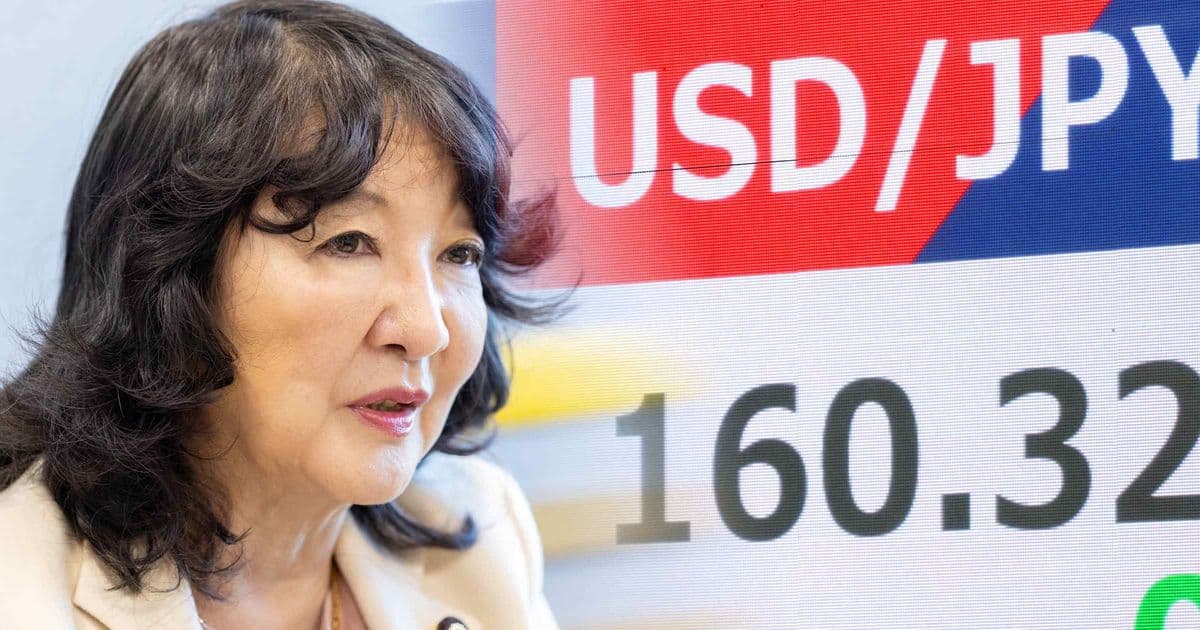
Japan’s Ministry of Finance disclosed a ¥11.7 trillion ($73 billion) yen‑buying operation between April 28 and May 27, the largest single‑round ever. The move, coordinated with the U.S. Treasury, temporarily steadied the yen but could not reverse a broader trend of depreciation driven by divergent monetary policies and a fragile domestic economy.
Record‑size intervention signals deepening yen pressure
Japan’s Ministry of Finance confirmed that authorities bought back ¥11.7 trillion (about $73 billion) of foreign currency to support the yen from 28 April to 27 May 2026. The scale eclipses the previous high of ¥9.8 trillion recorded during the 2022‑23 intervention cycle and marks the biggest single‑round in post‑war Japanese history.
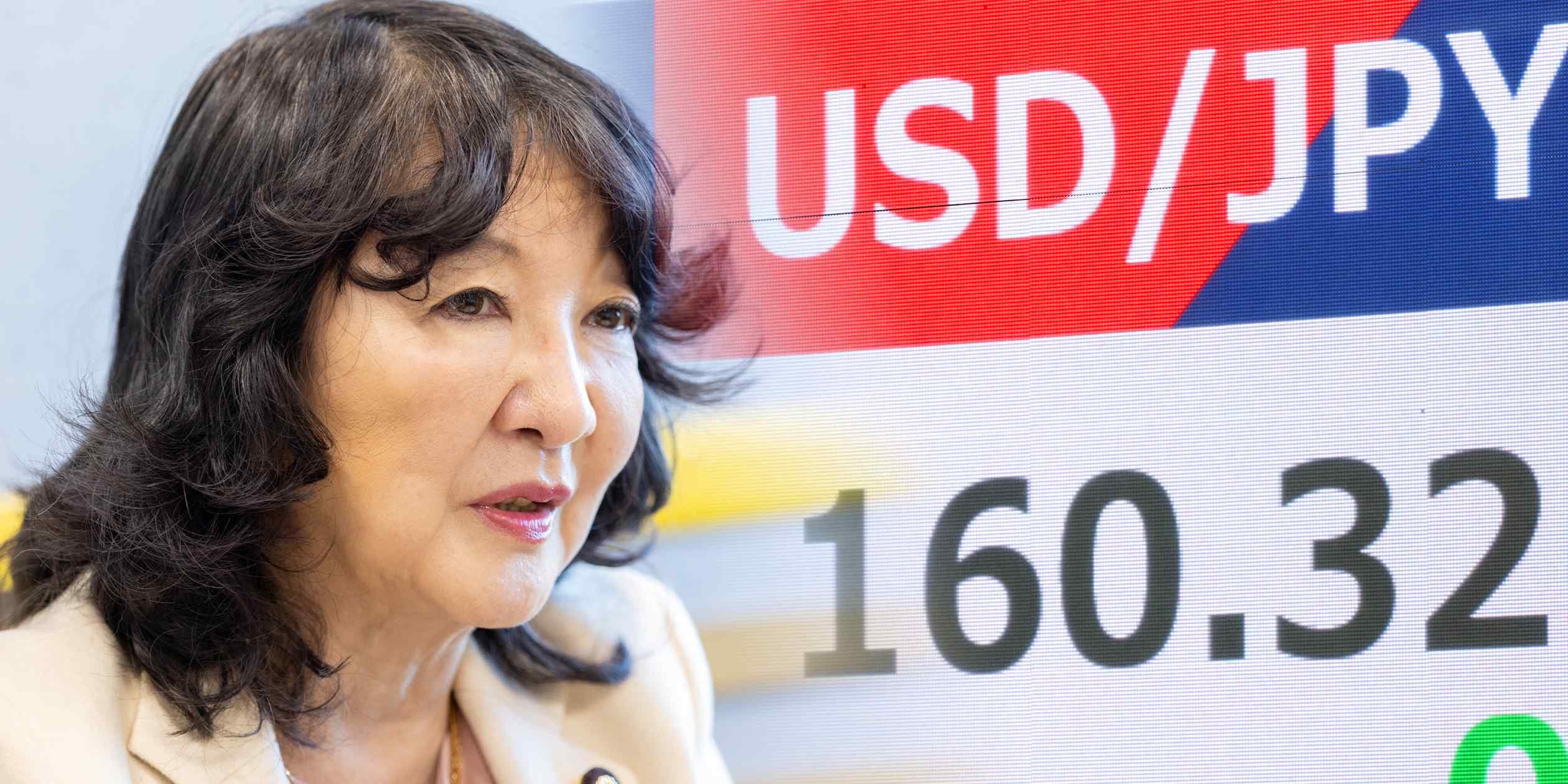
The operation was executed through the Ministry’s usual “Mrs. Watanabe” channel – a network of domestic banks that sell dollars for yen on behalf of the government. According to the Ministry’s data, the intervention pushed the dollar/yen pair from a 160‑level low to a 155‑level high before market forces resumed the downward trend.
Market context: policy divergence and structural headwinds
Monetary‑policy gap
The Bank of Japan (BOJ) has kept its policy rate at ‑0.1 % and continues its yield‑curve control (YCC) programme, while the U.S. Federal Reserve has maintained a 5.25‑5.50 % target range since March. The resulting interest‑rate differential of roughly 5.3 percentage points makes holding yen less attractive for carry‑trade investors, creating a persistent outflow of capital.
Trade‑balance squeeze
Japan’s trade surplus narrowed to ¥15.2 trillion in March 2026, down from ¥21.4 trillion a year earlier, as higher import costs for aluminum, copper and semiconductor equipment eroded margins for auto and electronics manufacturers. The weaker yen, while boosting export competitiveness on paper, also raises input‑cost pressures, feeding a feedback loop that undermines confidence in the currency.
Fiscal‑policy constraints
Japan’s public‑debt‑to‑GDP ratio sits above 260 %, limiting fiscal space for additional stimulus. The Ministry’s willingness to deploy a one‑off, massive FX purchase suggests a calculated use of reserves to avoid a sharper yen slide that could trigger imported‑inflation spikes and force the BOJ into premature tightening.
What it means for markets and policy
Temporary relief, not a reversal – The yen rebounded to the 155 level briefly, but by the end of May it was back near 158. The intervention bought time for the government to negotiate with the United States on a coordinated approach to FX volatility, as indicated by Finance Minister Satsuki Katayama’s remarks about “full understanding” from Treasury Secretary Scott Bessent.
Signal of zero‑tolerance for rapid depreciation – By committing a historic amount of reserves, Japan is warning speculative traders that the Ministry will intervene aggressively if the yen breaches 160 again. This may curb short‑term speculative attacks but does not address the underlying policy gap.
Potential impact on BOJ’s stance – While the BOJ has repeatedly emphasized its commitment to YCC, a sustained yen weakness could force a reassessment. If inflation, already above the BOJ’s 2 % target at 2.6 % YoY, starts to accelerate due to higher import prices, the central bank may consider a modest rate hike or a recalibration of its yield‑curve control.
Implications for corporate earnings – Auto manufacturers such as Toyota and Nissan have reported tighter margins as aluminum prices hover near $2,800 per tonne, a record high. A weaker yen amplifies these costs, pressuring profit forecasts and potentially prompting firms to pass on price hikes to consumers, which could dampen domestic demand.
Investor positioning – Fixed‑income investors are likely to continue favoring U.S. Treasuries over Japanese government bonds (JGBs) until the yield differential narrows. Hedge funds may hedge yen exposure through options rather than outright spot purchases, given the Ministry’s demonstrated willingness to intervene.
Outlook
The intervention underscores the limits of ad‑hoc market support when structural forces – divergent monetary policy, a fragile fiscal balance, and commodity‑price shocks – dominate. Unless the BOJ narrows the rate gap or Japan secures a more favorable trade environment, the yen will remain vulnerable to periodic bouts of volatility.
For market participants, the key takeaway is to monitor three signals:
- BOJ policy minutes for any shift in the YCC framework;
- U.S.–Japan diplomatic exchanges that could formalize a joint FX monitoring mechanism;
- Commodity price trends, especially aluminum and copper, which directly affect Japan’s export‑heavy sectors.
In the short term, the Ministry’s record‑size purchase may act as a floor, but the longer‑term trajectory of the yen will be dictated by macro‑policy alignment rather than isolated reserve deployments.
Comments
Please log in or register to join the discussion