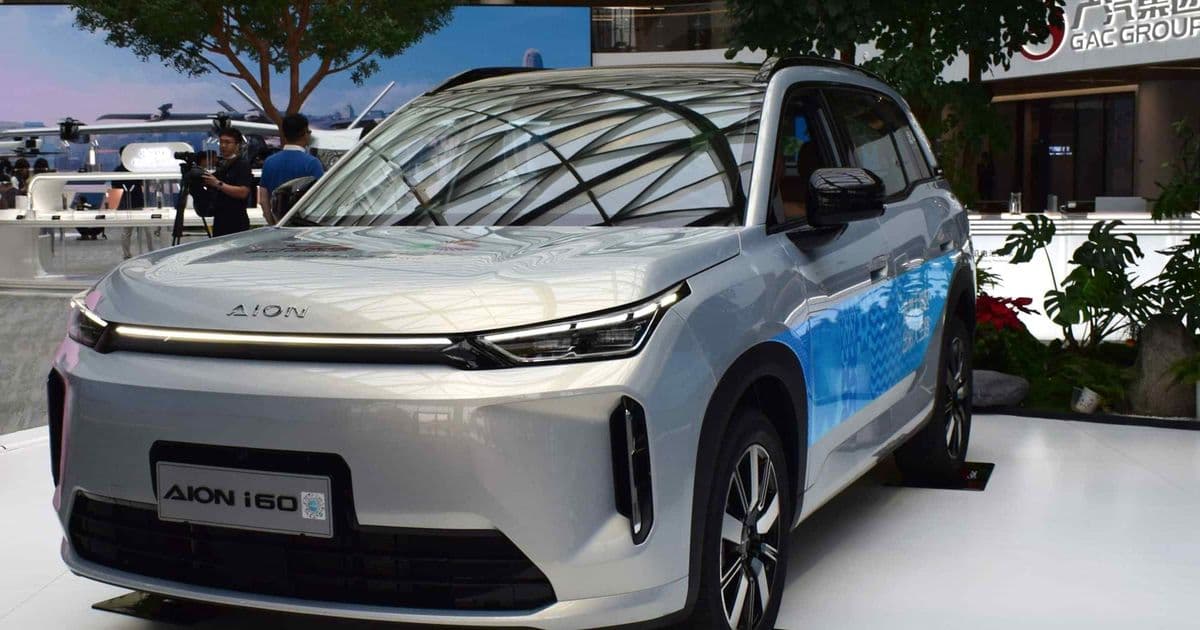
Guangzhou Automobile Group posted a per‑vehicle loss of roughly ¥8,300 in 2025 as EV price wars intensify, raising concerns ahead of its pending joint venture deadline with Honda.
GAC’s 2025 loss per vehicle hits ¥8,300 as Honda deadline looms
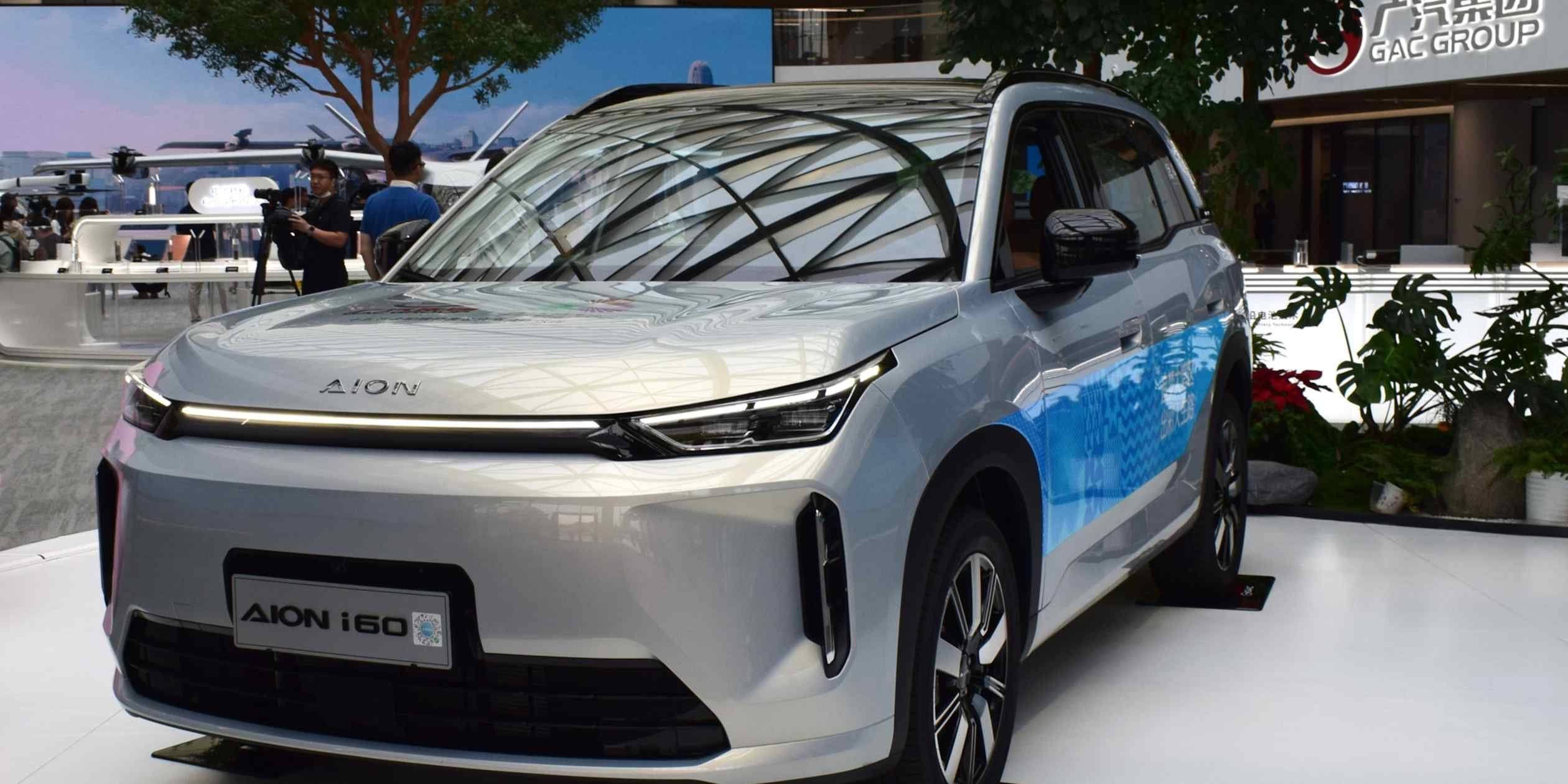
Guangzhou Automobile Group (GAC), one of China’s largest state‑owned carmakers, disclosed that its own‑brand electric models lost about ¥8,300 (US$1,225) on each unit sold in 2025. The figure, released in a regulatory filing, marks the deepest per‑vehicle deficit the company has recorded since it entered the new‑energy market in 2018.
Market context
- Intensifying price competition – BYD, Geely and a wave of new entrants have been slashing EV prices to capture price‑sensitive consumers. BYD’s “Blade” battery platform, for example, enabled a 7% price cut across its mid‑range lineup in Q4 2025, forcing rivals to follow suit.
- Aion line under pressure – GAC’s Aion brand, once praised for its premium design and fast‑charging capability, saw sales fall 22% YoY in 2025, dropping from 1.02 million units in 2024 to 795,000. The decline was driven by lower average selling prices (ASP) – from ¥184,000 in 2024 to ¥166,000 in 2025 – and a shift in consumer preference toward lower‑cost models from BYD and Chery.
- Rising input costs – Aluminum prices, a critical raw material for lightweight EV bodies, surged to $2,800 per tonne in early 2025, a 38% increase from the previous year. GAC’s cost‑per‑vehicle aluminum bill rose by roughly ¥1,200, eroding margins further.
- Honda joint‑venture deadline – The strategic partnership with Honda, which would give GAC access to hybrid and fuel‑cell technologies, is set to expire on 31 December 2025 unless a renewal is signed. Honda has warned that continued losses could jeopardize the JV’s viability.
What it means for GAC and the broader Chinese EV sector
- Urgent need for cost restructuring – GAC must accelerate its supply‑chain reforms. The company announced in March that it will shift 30% of its aluminum procurement to domestic recyclers, potentially saving ¥450 million annually if price differentials hold.
- Dealer‑network overhaul – To counter dwindling foot traffic, GAC is piloting a “digital‑first” dealer model in Guangdong, integrating online configurators and on‑site battery‑swap stations. Early data from the pilot suggest a 5% lift in conversion rates.
- Strategic pressure on the Honda tie‑up – Honda’s global push for hybrid‑electric (HEV) models hinges on a Chinese partner with strong local manufacturing capacity. GAC’s loss streak gives Honda leverage to renegotiate profit‑sharing terms, but also raises the risk that Honda may look to a more financially stable partner such as BYD or Chery.
- Signal to investors – GAC’s loss per vehicle translates to an estimated ¥9.8 billion hit to its 2025 net profit, pushing the year‑end earnings forecast down to ¥3.2 billion from the ¥5.1 billion consensus estimate. Analysts at CLSA have cut their target price by 7% to ¥42 per share.
- Implications for the Chinese EV market – GAC’s situation underscores how quickly the EV market can shift from growth to margin compression. Companies that rely heavily on premium pricing without a clear cost‑cutting roadmap may find themselves squeezed out, accelerating consolidation among the top five players.
Outlook
If GAC can secure a renewed Honda partnership and deliver on its cost‑reduction roadmap, the per‑vehicle loss could be halved by 2026. However, the company faces a narrow window: failing to improve profitability before the Honda deadline may force a restructuring of the joint venture or even a withdrawal from the partnership, reshaping the competitive dynamics among Chinese EV manufacturers.
Data sources: GAC 2025 financial filing, China Automotive Industry Association, Bloomberg commodity pricing, Nikkei Asia report (30 May 2026).
Comments
Please log in or register to join the discussion