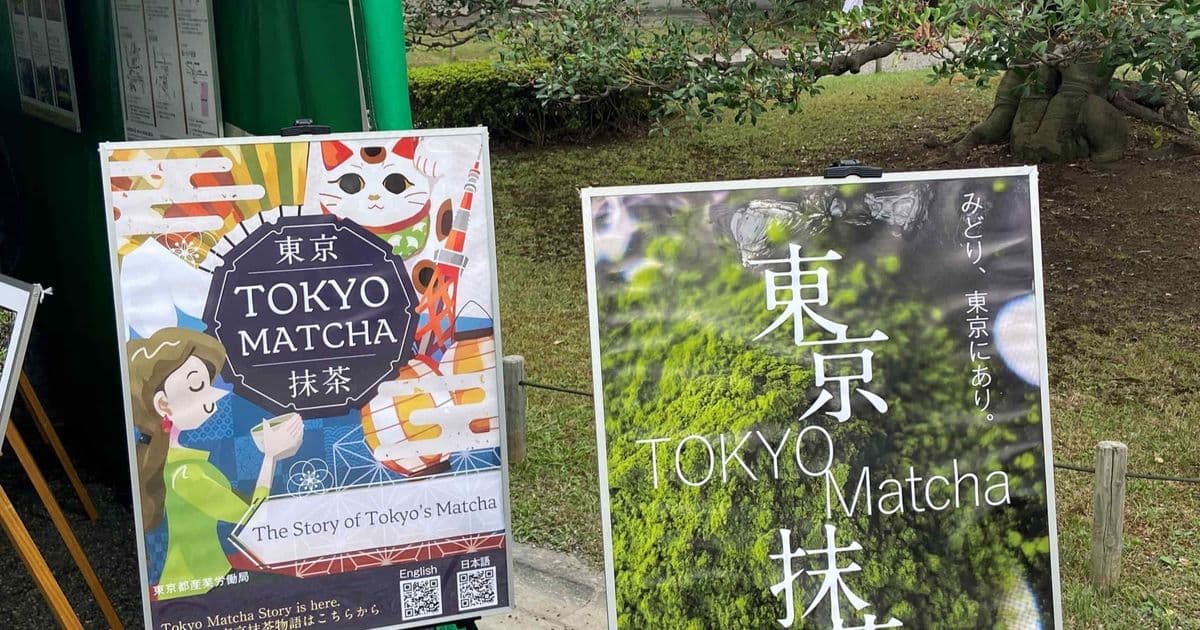
Tokyo’s metropolitan government is backing a pivot from sencha to matcha as global demand surges, aiming to preserve shrinking tea farms, support aging growers, and capture a market projected to exceed $9 billion by 2028.
Matcha Made in Tokyo: How Overseas Demand Is Prompting a Shift in Japan’s Tea Production
Business news
Tokyo’s urban fringe is witnessing a quiet transformation: rows of traditional sencha tea bushes are being replaced by housing developments as the farmer population ages and domestic consumption of sencha declines. In response, the Tokyo Metropolitan Government (TMG) announced a ¥12 billion ($78 million) subsidy program to encourage local growers to convert a portion of their acreage to matcha production. The initiative targets a 15 percent increase in matcha‑dedicated land by 2028, up from the current 2,300 hectares.
Market context
The global matcha market has been on a steep upward trajectory. According to Euromonitor, worldwide sales rose from $2.6 billion in 2020 to $5.4 billion in 2024, and analysts at Bloomberg estimate a compound annual growth rate (CAGR) of 18 percent through 2028, pushing total revenues past $9 billion. The growth is driven primarily by North America (now accounting for 32 percent of global volume) and Europe (28 percent), where matcha is marketed as a premium health beverage and ingredient for specialty coffee drinks.
Japan’s domestic tea sector, by contrast, is contracting. The Japan Tea Association reported a 29 percent drop in total tea‑planting area between 2018 and 2025, with sencha acreage falling from 15,200 hectares to 10,800 hectares. The decline reflects two forces: an aging farmer base—average age now 62 years—and a shift in consumer taste toward coffee and ready‑to‑drink (RTD) beverages.
Supply constraints are already materialising. In the first quarter of 2026, matcha leaf prices rose 22 percent to ¥1,850 per kilogram, while the price of the specialized stone‑grinding equipment used to produce ceremonial‑grade matcha surged 15 percent due to limited capacity in the few manufacturers that supply the machinery.
What it means
For farmers
The TMG subsidy covers up to ¥1.5 million per hectare for conversion costs, including the purchase of shade‑netting, soil amendment, and the high‑precision stone mills required for premium matcha. Early adopters, such as the Shimizu family in Hino City, have already reported a 40 percent yield increase per hectare after switching to a mixed‑shade system that boosts chlorophyll content—a key quality metric for matcha.
For the supply chain
A boost in domestic matcha output could alleviate the current bottleneck that has forced major brands—Starbucks, McDonald’s, and local chains like % Arabica—to import up to 60 percent of their matcha from China and Taiwan. Reducing reliance on imports may improve price stability and protect Japanese growers from currency fluctuations; the yen’s 12 percent depreciation against the dollar since early 2025 has already eroded profit margins for exporters.
For investors
The shift creates a clear investment thesis for equipment manufacturers and specialty‑grade tea processors. Companies such as Miyako Grinding Co., which supplies stone mills, saw its stock rise 18 percent in the last six months after announcing a capacity expansion plan. Meanwhile, venture‑backed tea‑tech startups that offer IoT‑enabled monitoring of soil moisture and shade levels are attracting series‑A funding, with the latest round totaling ¥3 billion across three firms.
For the broader food‑beverage sector
If Tokyo’s pilot succeeds, other prefectures with aging tea farms—Shizuoka, Kyoto, and Kagoshima—are likely to emulate the model, creating a coordinated national response. The cumulative effect could sustain over 12,000 farming households that would otherwise face relocation, preserving rural economies and maintaining Japan’s reputation as the world’s premier matcha source.
Strategic implications
- Export resilience: By expanding domestic matcha capacity, Japan can mitigate the risk of export disruptions caused by geopolitical tensions, such as the recent Iran‑Japan trade friction that temporarily halted shipments of wagyu and tuna.
- Brand premiumization: A higher proportion of Japanese‑grown matcha will enable premium branding, allowing exporters to command price premiums of 10‑15 percent over Chinese‑sourced equivalents.
- Policy template: The TMG’s subsidy framework could serve as a template for other agricultural sectors confronting demographic decline, illustrating how targeted financial incentives can align farmer behaviour with emerging global demand.
In sum, the overseas matcha craze is not merely a fleeting consumer fad; it is reshaping the economics of Japan’s tea industry. By converting a modest slice of its dwindling tea fields into matcha‑focused farms, Tokyo hopes to lock in a revenue stream that could exceed ¥200 billion annually by 2030, while preserving cultural heritage and rural livelihoods.
Comments
Please log in or register to join the discussion