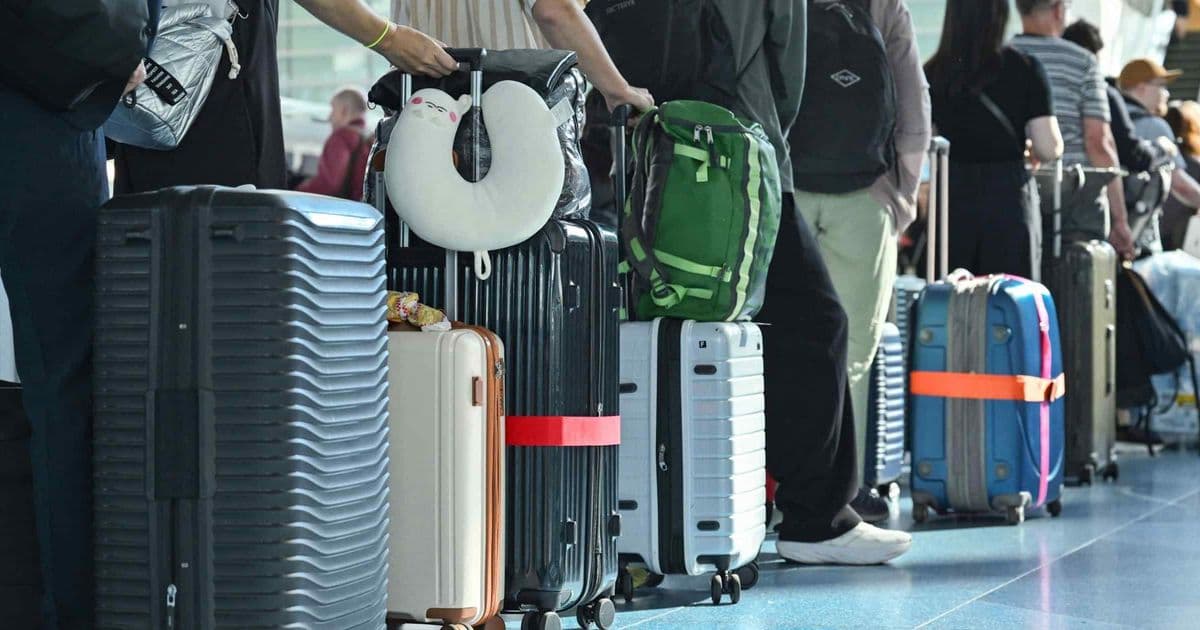
Japan’s largest travel agency, JTB, forecasts a return to profit growth after four years, driven by a projected 10% increase in sales from strong inbound tourism and a rebound in Japanese outbound travel, despite geopolitical risks in the Middle East.
Business news
Japan’s leading travel operator JTB Corp. announced that it expects a 10% rise in total sales for fiscal 2026, marking the first year of profit growth since FY2022. The company attributes the upside to two converging trends: a surge in inbound visitors to Japan and a rebound in outbound trips by Japanese consumers, even as per‑person travel costs climb.
Key figures from the forecast include:
- Projected revenue: ¥1.38 trillion, up from ¥1.25 trillion in FY2025.
- Operating profit: anticipated at ¥78 billion, a 12% increase year‑on‑year.
- Outbound travel spend per Japanese traveler: expected to rise 8% to ¥210,000, reflecting higher airfare and accommodation costs.
The outlook was presented in a briefing to analysts after JTB’s earnings release on May 30, 2026. While the firm warned that escalations in the Middle‑East could affect fuel surcharges and airline capacity, it said its diversified product mix and strong relationships with overseas partners mitigate the risk.
Market context
The travel sector in Japan has been in a prolonged slump since the COVID‑19 pandemic, with domestic travel volumes falling 15% YoY in FY2024. However, the Japan Tourism Agency reported that inbound arrivals reached 31.9 million in the first four months of 2026, a 22% increase over the same period last year, driven by tourists from the United States, Europe, and a modest recovery from China.
On the outbound side, the Japan External Trade Organization (JETRO) estimates that Japanese overseas travel expenditure will exceed ¥5 trillion in FY2026, the highest level since 2019. The rise is linked to higher disposable income among younger professionals and a growing appetite for experiential trips, despite the fuel surcharge that airlines have added to cover volatile oil prices.
Geopolitical tension remains a wildcard. The Iran‑Israel conflict has pushed oil prices to $92 per barrel, prompting airlines to raise Tokyo‑London fares by up to 90% in the last quarter. JTB’s risk‑management team is monitoring the situation closely and has begun negotiating forward‑fuel contracts with carriers to lock in lower rates for its corporate MICE (Meetings, Incentives, Conferences, Exhibitions) clientele.
What it means
- Profitability rebound: JTB’s 10% sales lift translates into a mid‑single‑digit profit margin, a notable improvement from the sub‑5% margin recorded in FY2024. The company’s ability to convert higher travel spend into profit suggests effective cost control and pricing power.
- Strategic diversification: By leaning on both inbound and outbound streams, JTB reduces reliance on the domestic leisure market, which has shown slower recovery. The agency’s “Samurai” outbound program, which bundles airfare, accommodation, and local guides, is expected to capture a larger share of high‑spending Japanese travelers.
- Competitive positioning: Rival agencies such as H.I.S. and JALPAK have also reported modest sales gains, but JTB’s broader network of overseas partners and its strong brand among corporate clients give it an edge in securing premium MICE contracts.
- Risk exposure: The Middle‑East conflict could trigger further fuel price spikes, eroding margins on price‑sensitive packages. JTB’s proactive hedging strategy and its push to promote rail‑based tours within Japan may help offset some of the impact.
- Investor outlook: Analysts at Nomura have upgraded JTB’s target price to ¥4,200 from ¥3,800, citing the firm’s resilient earnings trajectory and the upside potential from the upcoming summer travel season, when Japanese outbound bookings traditionally surge.
Bottom line: JTB’s forecast signals a turning point for Japan’s travel sector, where a balanced mix of inbound tourism and outbound demand can drive sustainable profit growth, provided the company navigates fuel‑price volatility and geopolitical uncertainty effectively.
Sources: JTB earnings release (May 30 2026), Japan Tourism Agency visitor statistics, JETRO travel expenditure outlook, Nomura research note (June 2026).
Comments
Please log in or register to join the discussion