A severe El Niño episode is driving up temperatures and cutting rainfall across South Asia and Oceania, prompting farmer suicides in India, soaring fertilizer costs, and tightening commodity markets. The weather shock is reshaping supply chains, pressuring food‑price inflation, and prompting governments and agribusinesses to re‑evaluate risk‑mitigation strategies.
A weather monster with a fiscal bite
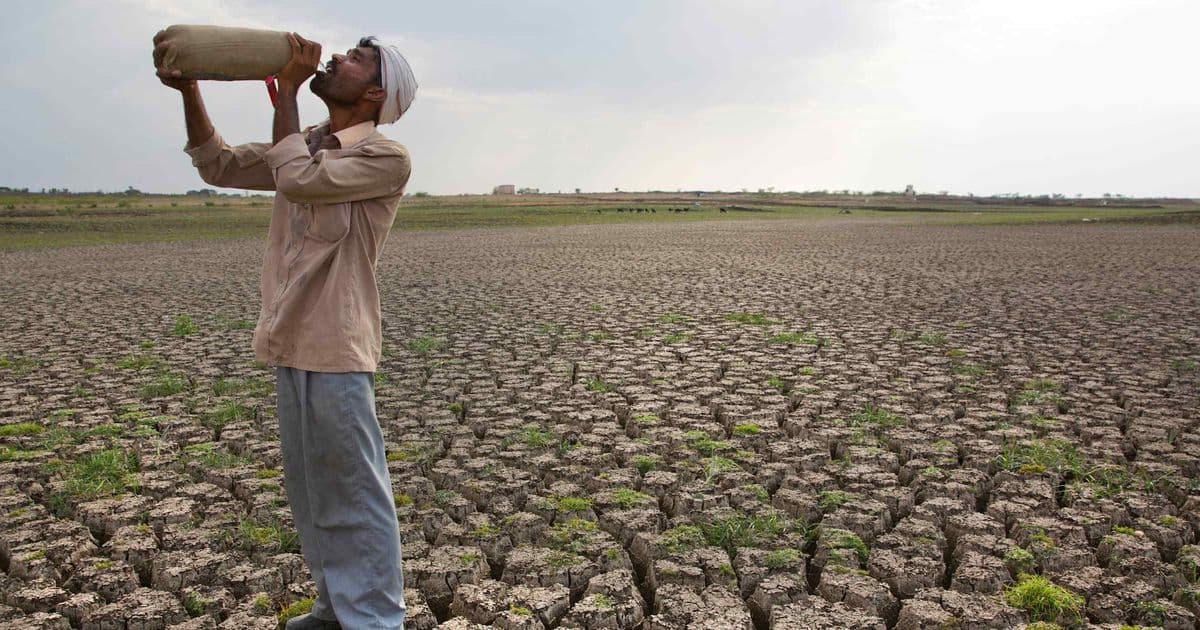
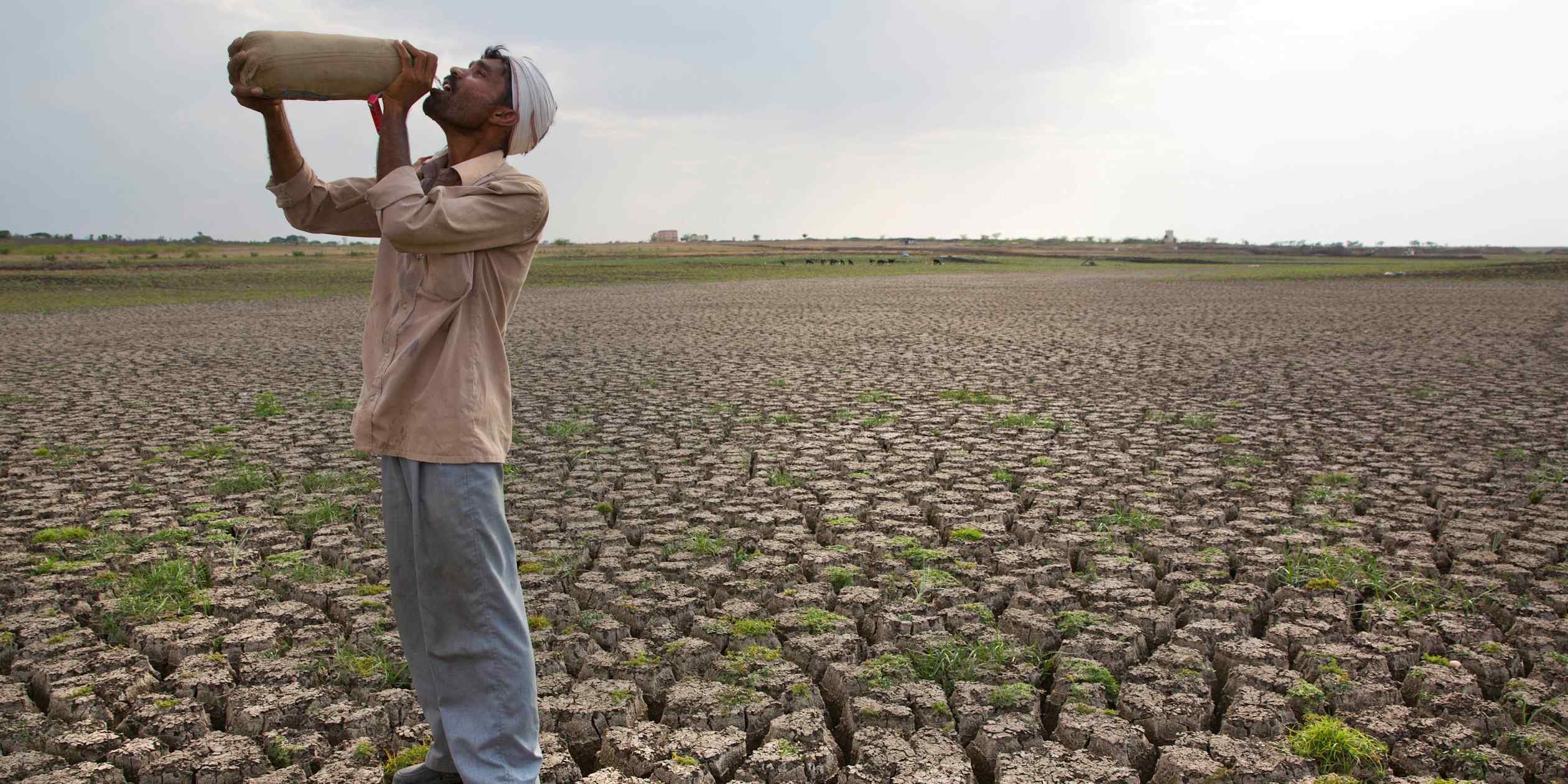 The 2025‑26 El Niño has earned the nickname “Godzilla” after a string of heatwaves and droughts rippled through the Indian sub‑continent, Southeast Asia and Australia. In Maharashtra’s Marathwada region, a farmer who once tended a modest rice plot now watches a cracked reservoir bed, a stark visual of the crisis that has already claimed around 400 farmer suicides in the first five months of 2016 (the region’s most recent comparable event).
The immediate impact is a sharp contraction in rice and wheat output. India’s wheat‑harvest forecast slipped from 107 Mt to 101 Mt, while the rice crop is expected to fall 7 % YoY, according to the Ministry of Agriculture. Vietnam and Thailand, the other two major Asian rice exporters, are reporting similar yield depressions, pushing global rice stocks down to 84 Mt, the lowest level since 2011.
Market context: fertilizer, fuel and food prices
Fertilizer supply squeeze
The weather shock coincides with a 30 % rise in urea and DAP prices across the region, driven by two converging forces:
- Reduced natural gas availability – the Iran‑Ukraine conflict has throttled Russian gas exports, raising Asian spot LNG to $13.5/MMBtu, a level not seen since 2022.
- Higher demand for nitrogen‑based fertilizers in South America, where producers are shifting output to meet a surge in soy and corn planting.
The combined effect is an estimated $1.2 bn increase in fertilizer spend for Indian rice growers alone. Major players such as Indian Farmers Fertiliser Co (IFFCO) and Mosaic have warned of inventory shortages that could persist through the 2026 harvest.
Fuel cost pressure
El Niño also intensifies energy demand for irrigation and cooling, inflating diesel consumption in rural areas. The Asian diesel price index rose 12 % in May, pushing the cost of operating a 2‑hectare farm to $1,800 per month, up from $1,600 a year earlier. This feeds directly into higher production costs and squeezes profit margins for smallholders.
Food‑price inflation trajectory
The World Bank’s Food Price Index (FPI) has already climbed 5.4 % in the 12 months to April 2026, with rice contributing 2.8 pp of the rise. The International Monetary Fund now projects global food inflation of 4.7 % for 2026, well above the 3 % target set by many emerging‑market central banks. Countries that rely heavily on rice imports—Philippines, Bangladesh, and parts of Africa—face balance‑of‑payments stress.
What it means for investors and policymakers
Agribusiness earnings under pressure
Publicly listed agribusinesses are seeing earnings volatility. Nutrien Ltd. reported a Q1 net profit of $1.1 bn, down 14 % YoY, citing fertilizer price spikes and lower sales volumes in India. Uttam Cement, a diversified Indian conglomerate, flagged a 15 % increase in raw‑material costs for its agri‑division, prompting a $250 m capital‑expenditure cut on new fertilizer plants.
Credit risk for rural lenders
Rural banks in India and Pakistan are witnessing a rise in non‑performing assets (NPAs) linked to farm loans. The Reserve Bank of India disclosed that agricultural NPAs rose to 3.2 % of total bank loans in Q1 2026, up from 2.4 % a year earlier. This could tighten credit availability for smallholders unless government guarantees are expanded.
Policy responses
- India’s Ministry of Agriculture announced a ₹30 bn (US$360 m) subsidy for diesel and a 30 % discount on urea for farmers in the most affected districts, aiming to curb the suicide wave.
- Australia’s Department of Agriculture is fast‑tracking the National Drought Resilience Program, allocating AU$1.5 bn for water‑storage infrastructure and insurance subsidies.
- The Asian Development Bank is mobilising a $2 bn climate‑resilience fund to support climate‑smart agriculture, including drip‑irrigation and drought‑tolerant seed varieties.
Strategic implications for investors
- Diversify exposure – Companies with a broad geographic footprint (e.g., Corteva, Yara International) can offset regional weather shocks.
- Focus on technology – Precision‑ag platforms that improve water use efficiency are likely to attract venture capital. Start‑ups such as AquaSense (based in Bangalore) have raised $45 m to commercialise satellite‑driven irrigation alerts.
- Monitor sovereign risk – Nations heavily dependent on food imports may see currency depreciation and higher sovereign spreads if inflation persists.
Bottom line
The El Niño “Godzilla” event is more than a meteorological anomaly; it is reshaping the economics of staple‑crop production across a half‑billion‑person market. The confluence of drought, soaring fertilizer and fuel costs, and rising food‑price inflation creates a feedback loop that threatens farmer livelihoods, elevates credit risk, and compresses agribusiness margins. Stakeholders—from governments to investors—must act swiftly to inject liquidity, protect vulnerable producers, and accelerate climate‑smart technologies if they hope to break the cycle of distress and avoid a broader food‑security shock.
Comments
Please log in or register to join the discussion