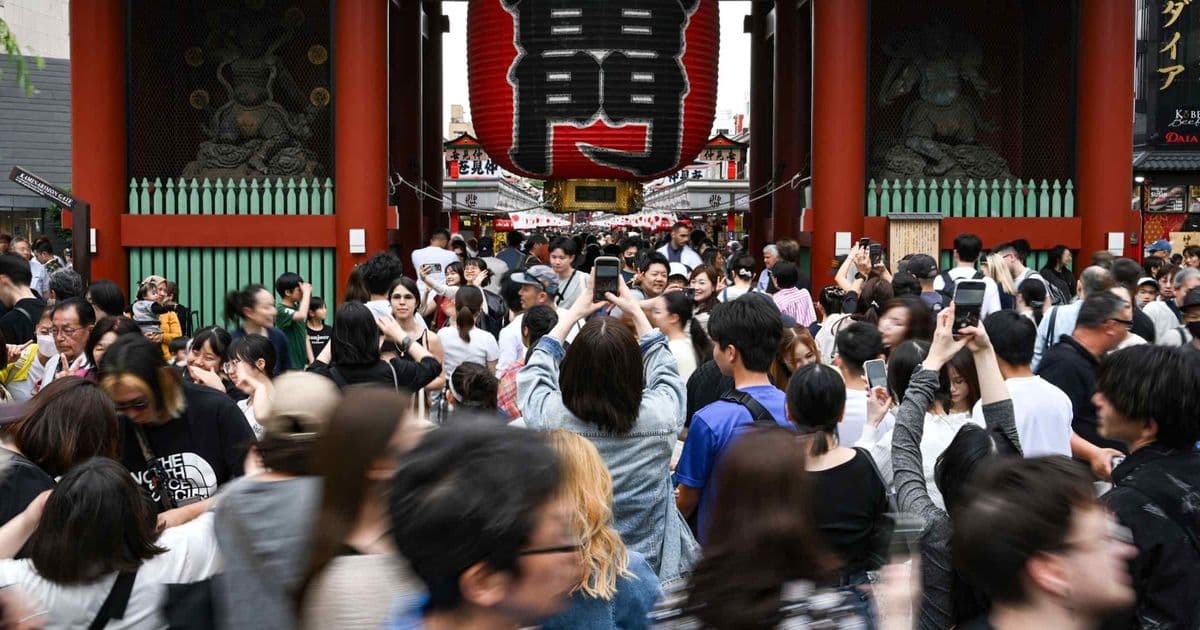
As Japan tightens regulations on short‑term private rentals, owners of downtown apartments are registering their units as hotels to keep operating, a move that could reshape the city's hospitality revenue and raise compliance challenges for the government.
Business news
Japan’s Ministry of Land, Infrastructure, Transport and Tourism announced stricter oversight of short‑term private vacation rentals on 1 May 2026, targeting unregistered “minpaku” listings that have surged since the pandemic. In response, property owners in central districts such as Shibuya, Shinjuku and Asakusa are filing paperwork to classify their apartments as “hotel‑type lodging facilities” under the Hotel Business Act. This legal re‑designation allows them to continue renting to tourists for periods under 30 days without facing the new penalties, which include fines up to ¥5 million (≈ US$33,000) per violation.
Market context
The crackdown follows a year‑long rise in short‑term rentals that lifted Tokyo’s inbound tourism revenue by ¥1.2 trillion in 2025, according to the Japan Tourism Agency. However, the same data shows a 12 % increase in complaints from residential neighbors about noise and waste, prompting local governments to act.
Financial impact
- Hotel‑type registrations: In the first two months after the rule change, the Tokyo Metropolitan Government recorded 3,842 new hotel‑type licences, a 68 % jump from the same period in 2025.
- Revenue shift: Analysts at Nomura estimate that the re‑classified apartments could generate ¥210 billion in additional hotel‑tax revenue in 2026, offsetting roughly ¥150 billion in lost tax from the curtailed minpaku market.
- Investor reaction: Shares of real‑estate REITs with a focus on hospitality, such as Japan Hotel REIT (JHR), rose 3.4 % on the news, while platforms like Airbnb Japan saw a 5 % dip in bookings for traditional private‑room listings.
What it means
- Regulatory gray area – By exploiting the broader definition of “hotel” that only requires a fire‑safety inspection and a basic front‑desk protocol, owners avoid the stricter licensing that applies to minpaku operators. This loophole may encourage a wave of similar re‑classifications across other major cities, pressuring the government to tighten the definition further.
- Revenue redistribution – The shift channels earnings from the informal short‑term rental sector into the formal hotel tax base, potentially improving municipal services funded by tourism. However, it also raises questions about market fairness, as traditional hotels must meet stricter staffing and amenity standards.
- Operational costs – Converting an apartment into a hotel‑type facility entails compliance expenses, including fire‑safety upgrades (average ¥850,000 per unit) and the hiring of a part‑time concierge. Small‑scale owners may find these costs prohibitive, leading to consolidation under larger property‑management firms.
- Consumer experience – Tourists may notice subtle differences: fewer shared spaces, stricter check‑in procedures, and the requirement for a guest register. While some travelers value the added safety, others may miss the flexibility that minpaku listings offered.
- Policy outlook – The Ministry has signaled a review of the hotel‑type definition, with a draft amendment expected in the Q3 2026 budget session. If stricter criteria are introduced, owners could face retroactive compliance costs or be forced back into the unlicensed minpaku market, reigniting the neighbor‑complaint cycle.
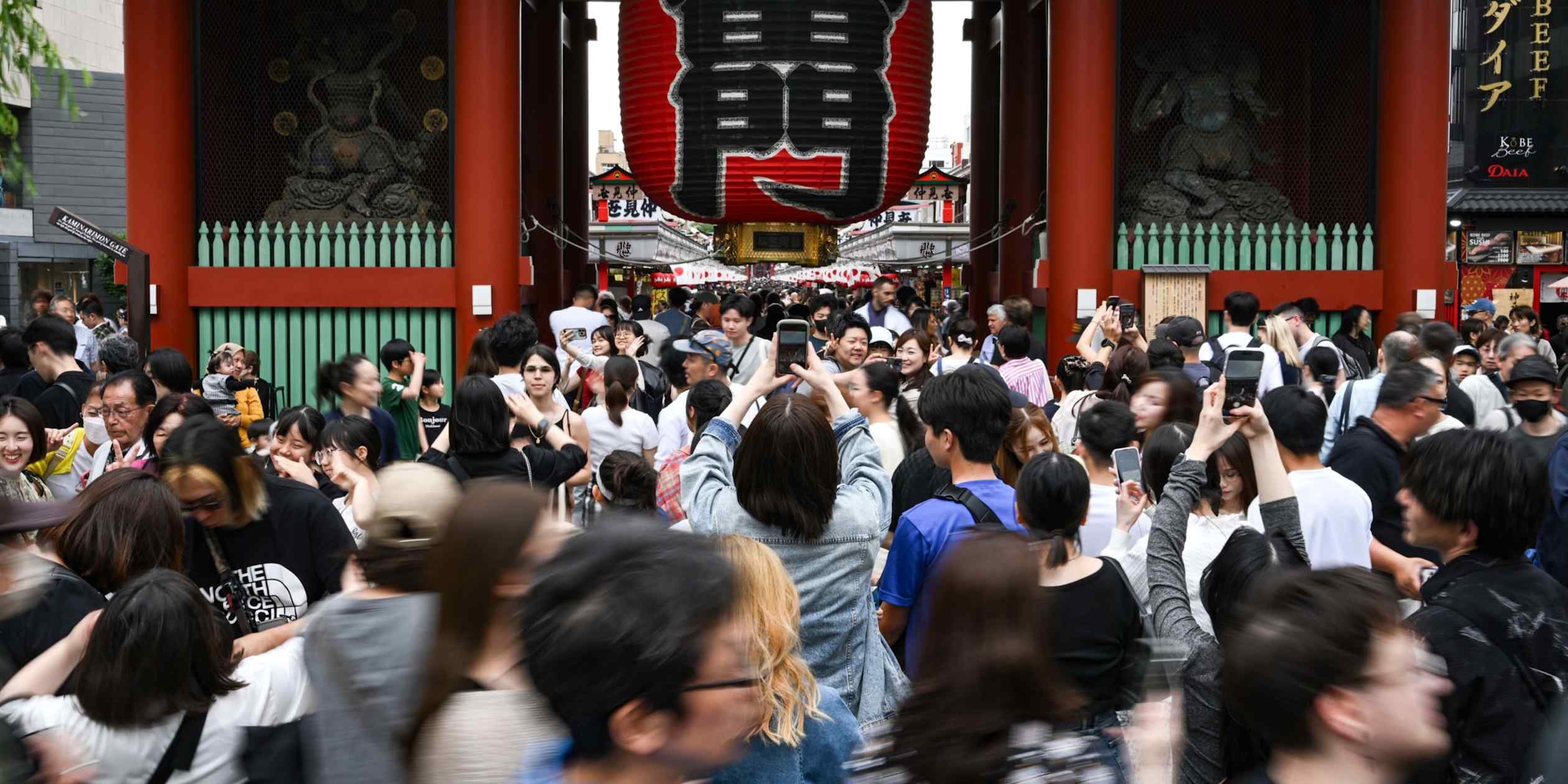
The Senso‑ji Temple area, a hotspot for both traditional hotels and the newly re‑registered apartment‑hotels, illustrates the blending of old and new lodging models.
Bottom line: The rapid re‑classification of apartments as hotels provides a short‑term lifeline for owners navigating Japan’s tighter vacation‑rental rules, but it also reshapes revenue streams, introduces new compliance burdens, and sets the stage for further regulatory refinement.
Comments
Please log in or register to join the discussion