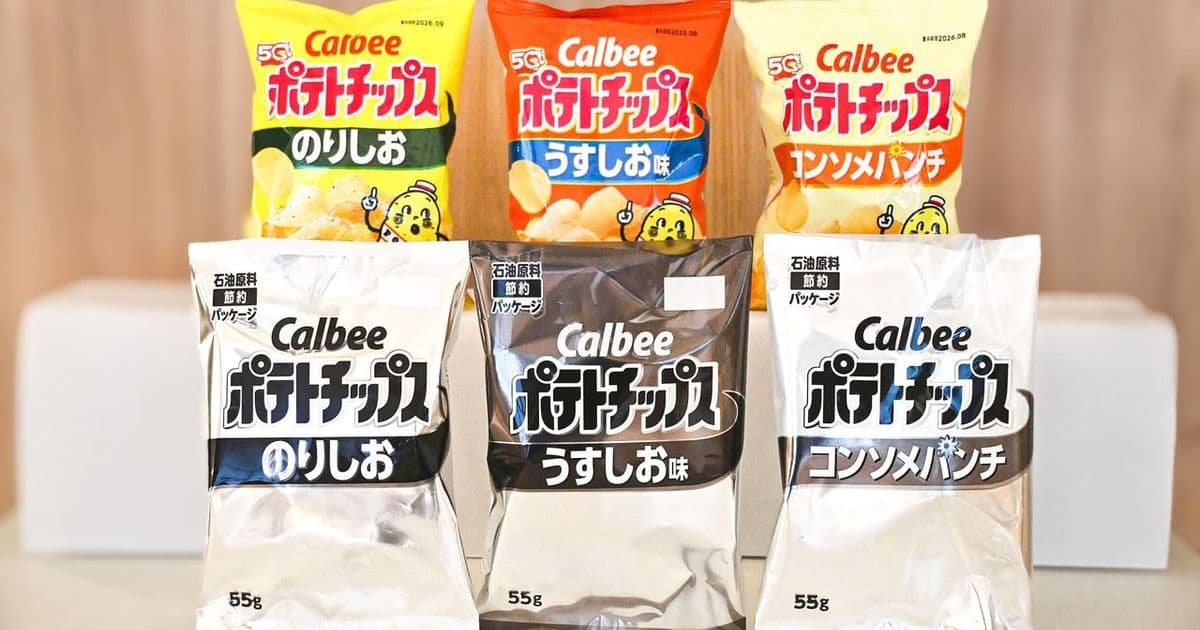
The ongoing naphtha shortages driven by geopolitical tensions in the Middle East are having cascading effects across Japan's manufacturing sector, from snack food packaging to medical supplies, revealing deep interdependencies in global supply chains.
The ripple effects of Middle Eastern geopolitical tensions are reaching Japan's industrial heartland, as naphtha shortages force manufacturers to make unprecedented adjustments to their operations and product designs. The petroleum-derived raw material, essential for producing everything from packaging inks to synthetic rubber, has become a focal point of concern as the conflict in Iran disrupts global supply chains.
Packaging Innovations Amid Scarcity
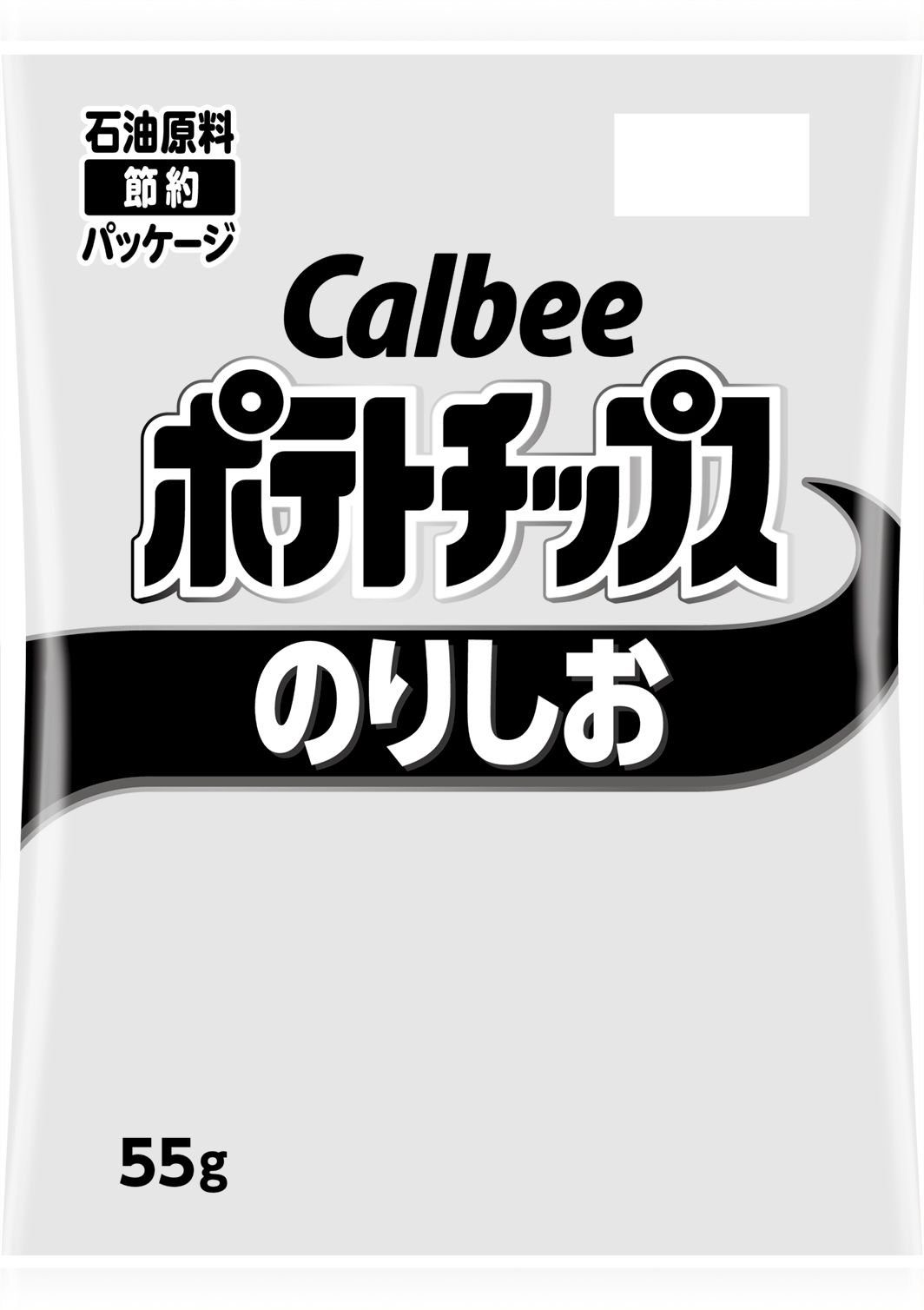
The most visible impact has been in the consumer goods sector, where major snack food manufacturer Calbee has announced a shift to black-and-white packaging for 14 of its most popular products. The iconic potato chips and their beloved potato mascot, a cultural staple since 1976, will temporarily disappear from packaging as the company adapts to ink and solvent shortages.
"Calbee will continue to respond flexibly and promptly to changes in its operating environment, including geopolitical risks, and remains committed to maintaining a stable supply of safe, high-quality products," the company stated in its announcement.
Other companies have implemented similar measures. Mizkan suspended sales of four nattō products citing potential problems with container procurement, while Nisshin Seifun Welna replaced printed packaging tape for spaghetti with plain tape, removing cooking instructions in the process.
The Extent of the Supply Chain Impact
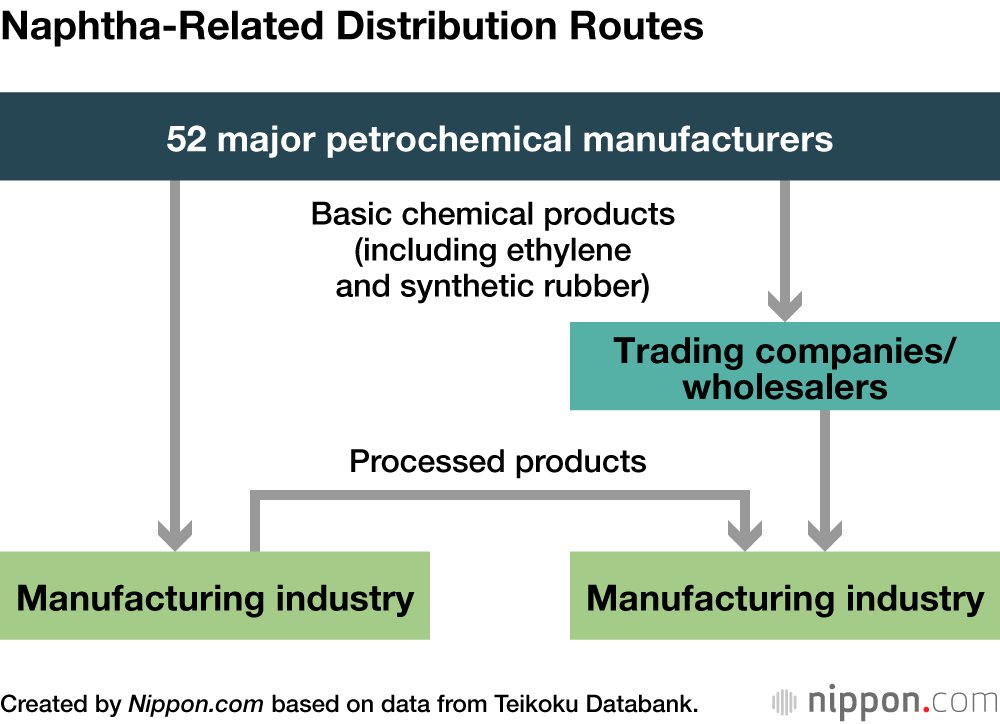
Recent data from Teikoku Databank reveals the true breadth of the naphtha shortage's impact. The research has identified 52 Japanese companies using naphtha to produce basic chemical products like ethylene, synthetic rubber, and PVC resin. These materials then flow through a complex distribution network reaching 46,741 Japanese manufacturers—approximately 30% of the country's manufacturing sector.
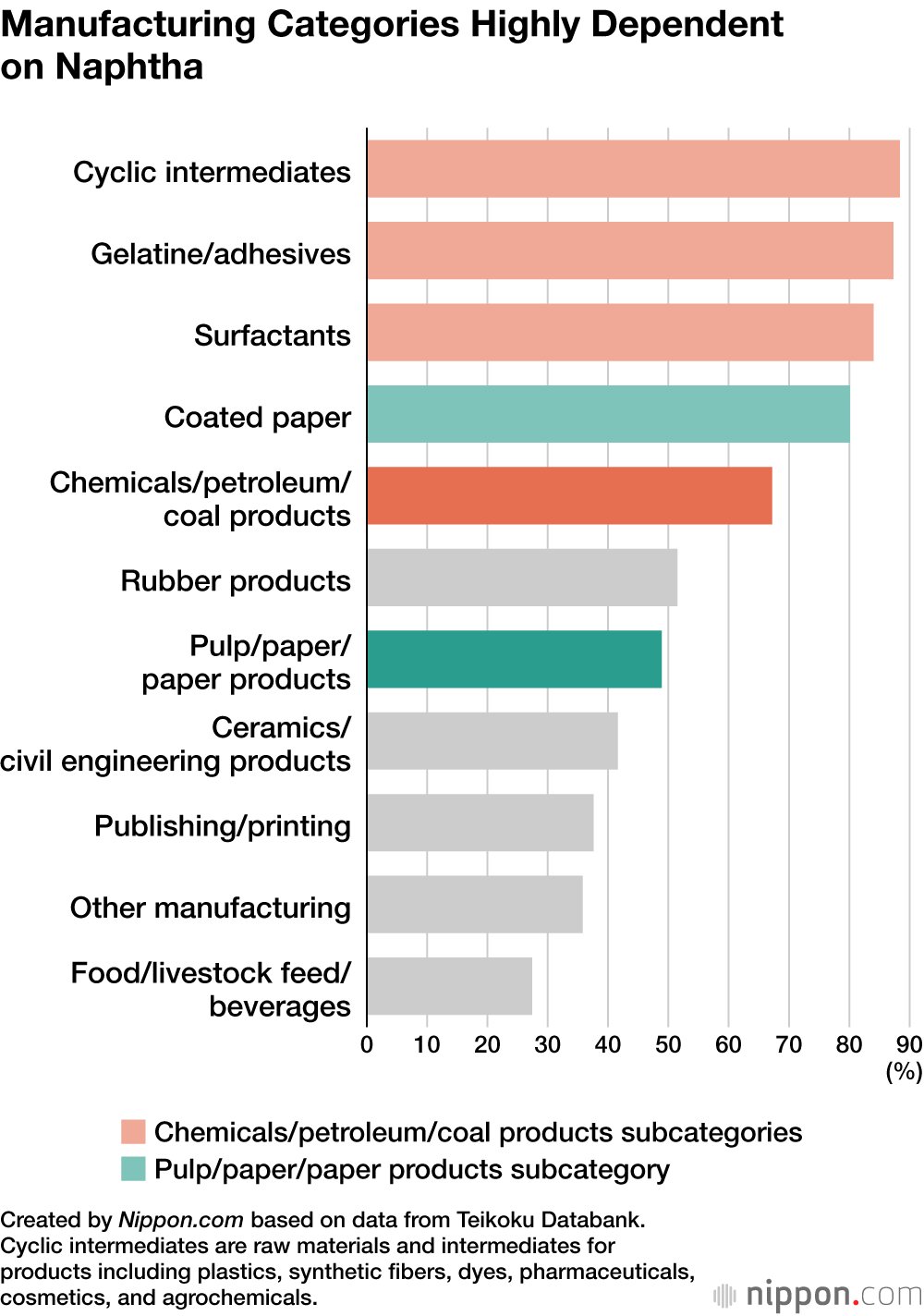
The chemicals, petroleum, and coal products manufacturing sector appears most vulnerable, with 67.2% of its 4,700 companies integrated into the naphtha supply chain. Within this sector, the impact is particularly acute for manufacturers of cyclic intermediates (88.4% affected), gelatin and adhesives (87.3%), and surfactants (84.0%).
Even seemingly unrelated sectors face challenges. In the pulp and paper industry, 80.1% of companies producing coated paper—used for fast-food packaging and paper cups—rely on naphtha-derived materials. The food, livestock feed, and beverage sectors are experiencing secondary effects through packaging constraints.
Medical Sector Under Pressure
The medical and nursing care sectors are experiencing growing shortages of essential products including syringes and rubber gloves. These items often contain naphtha-derived components or require packaging that depends on petroleum-based materials. The situation has prompted some hospitals to ration supplies and seek alternatives, potentially affecting patient care protocols.
Government Response and Industry Perspectives
While Japanese government officials maintain that the country has secured necessary quantities and faces no immediate supply crises, industry leaders express concern about the sustainability of this position. The government's confidence appears based on strategic reserves and diversified sourcing, but the prolonged nature of the Middle Eastern conflict creates uncertainty.
Industry analysts note that Japan's heavy reliance on imported petrochemicals makes it particularly vulnerable to geopolitical disruptions. The country imports approximately 99% of its crude oil, with significant portions passing through potentially contested maritime routes.
Economic Implications and Future Outlook
The naphtha shortage is contributing to price increases across multiple sectors. Residential insulation materials and food packaging films have already seen price hikes, with some manufacturers implementing sales restrictions. If the Middle Eastern conflict continues, economists predict the impact could intensify, potentially affecting inflation rates and export competitiveness.
The situation has prompted some companies to accelerate research into alternative materials and more efficient production processes. Several chemical manufacturers have begun exploring bio-based feedstocks and circular economy approaches to reduce dependency on petroleum-derived naphtha.
Community Sentiment and Adaptation
Japanese consumers have generally responded pragmatically to the packaging changes, with many expressing understanding of the circumstances. Social media discussions reveal a mixture of concern about the broader geopolitical situation and appreciation for companies' efforts to maintain product availability.
However, some industry voices question whether the current measures are sustainable long-term. "Temporary packaging changes are one thing," commented one chemical industry analyst, "but we need more fundamental solutions to our petrochemical dependency if we want to build true resilience against geopolitical shocks."
The naphtha shortage has highlighted the interconnected nature of modern supply chains, where disruptions in one sector can cascade through seemingly unrelated industries. As Japan navigates these challenges, the situation may prompt lasting changes in manufacturing practices, material sourcing, and supply chain design.
Comments
Please log in or register to join the discussion