Evidence from the Apple Music Android beta app reveals Apple is preparing different subscription tiers, potentially ending its long-standing position as the only major streaming service without a free option.
Apple appears to be preparing to introduce different subscription tiers for its music streaming service, marking a significant shift in the company's long-standing strategy. As discovered by tech researcher Aaron Perris, strings in the beta version of the Apple Music Android app suggest the company is working on a tiered model that could include limitations on features like track skipping.
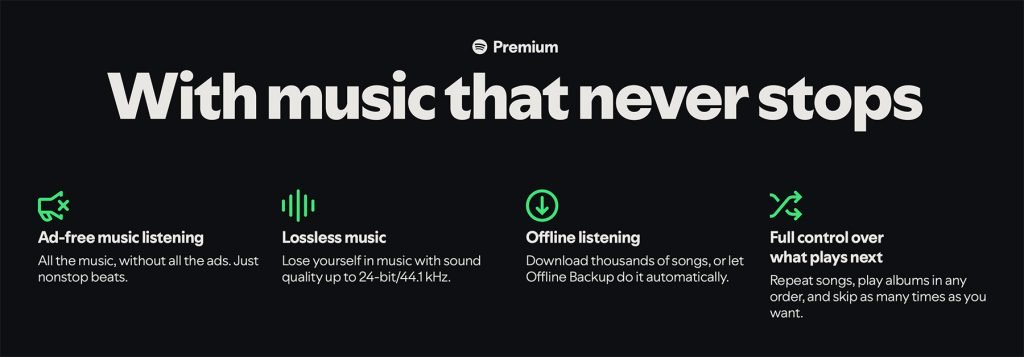
The discovery centers around two key strings found in the app: one indicating that certain actions require "premium access," and another error message stating "Can't skip any more tracks" when users reach a "skip limit." These limitations have historically been common on free tiers from competitors like Spotify, which still promotes unlimited skipping as a key benefit of its premium subscription.
This potential move comes just one month after Apple Music head Oliver Schusser expressed pride in Apple's position as the only major streaming service without a free tier. In a recent Bloomberg interview, when asked what he didn't like about the music industry, Schusser stated: "I'm sure you've heard me say this: I think 'free' was a terrible idea. Apple Music is the only service that doesn't have a free tier, and believe it or not, we are really proud of that."
The inclusion of these strings in the Android beta app suggests that whatever changes Apple has in development could be unveiled relatively soon. The timing is particularly noteworthy as the streaming music market continues to mature, with services increasingly focusing on differentiating their offerings through tiered pricing models.
If Apple does introduce a free or lower-priced tier with limitations, it would represent a significant strategic shift for the company that has maintained a premium-only approach since launching Apple Music in 2015. Currently, Apple Music requires a $10.99 monthly subscription, with a one-month free trial for new users.
The potential introduction of tiered subscriptions could serve multiple strategic purposes for Apple. First, it might help the company compete more effectively in emerging markets where price sensitivity is higher. Second, it could expand Apple's user base by attracting casual listeners who aren't willing to commit to a full subscription. Third, it might create additional opportunities for ecosystem lock-in, as users who start with a free tier might be more likely to upgrade when using other Apple services.
However, the move also carries risks. Apple has positioned itself as a premium service, and introducing a free tier could potentially dilute that perception. Additionally, the company has historically emphasized the value proposition of its all-inclusive subscription, contrasting with competitors' fragmented offerings.
The specific limitations that might come with a lower-tier offering remain unclear. While track skipping limits are suggested by the discovered strings, other potential restrictions could include lower audio quality, limited offline downloads, or restrictions on the number of skips per hour. These limitations would mirror strategies employed by Spotify and other services to incentivize upgrades to premium tiers.
From a technical standpoint, implementing these feature limitations would require changes to Apple's streaming infrastructure. The company would need to modify its content delivery systems to enforce different rules based on subscription tier, potentially adding complexity to its backend operations.
The competitive landscape provides context for why Apple might be considering this change. Spotify currently dominates the global streaming market with approximately 515 million monthly users, a significant portion of whom use its free ad-supported tier. Amazon Music, YouTube Music, and other services also offer free options with limitations. By introducing a free or lower-priced tier, Apple could potentially capture a larger share of the market and increase its overall user base.
Ecosystem lock-in considerations are particularly relevant for Apple. The company has successfully integrated Apple Music with its hardware products, including HomePod, Apple Watch, and CarPlay. A tiered approach might encourage adoption across more devices, with users starting on a free tier and upgrading when they experience the benefits of deeper integration with Apple's ecosystem.
From a consumer perspective, the introduction of tiered subscriptions would provide more options. Price-sensitive users could access Apple's music catalog with limitations, while those seeking the full experience could continue with the premium offering. This flexibility might be particularly appealing in markets where Apple's premium pricing has been a barrier to adoption.
The discovery in the Android app is particularly noteworthy because it suggests Apple is developing these features across platforms, not just within its iOS ecosystem. This indicates a comprehensive approach to implementing tiered subscriptions rather than a limited trial or iOS-specific feature.
As the streaming market continues to evolve, Apple's potential move to tiered subscriptions reflects broader industry trends toward more flexible pricing models. Services are increasingly recognizing that different user segments have different needs and willingness to pay, leading to more varied offerings beyond simple premium vs. free binaries.
While Apple has not officially commented on these findings, the presence of such specific strings in a beta app strongly suggests that changes are in development. The company typically doesn't include placeholder text or debugging strings in public-facing beta releases, making these discoveries particularly credible indicators of upcoming features.
For consumers, the key question will be how Apple balances its premium positioning with the need to expand its user base. If the company introduces a free tier with reasonable limitations while maintaining the quality and experience of its premium offering, it could successfully capture a larger share of the streaming market without alienating its existing subscriber base.
The potential introduction of tiered subscriptions represents a significant strategic shift for Apple Music, one that could reshape the competitive dynamics of the streaming music market. As Apple continues to develop these features, consumers and industry observers will be watching closely to see how the company executes on this potential departure from its long-standing premium-only approach.
Comments
Please log in or register to join the discussion