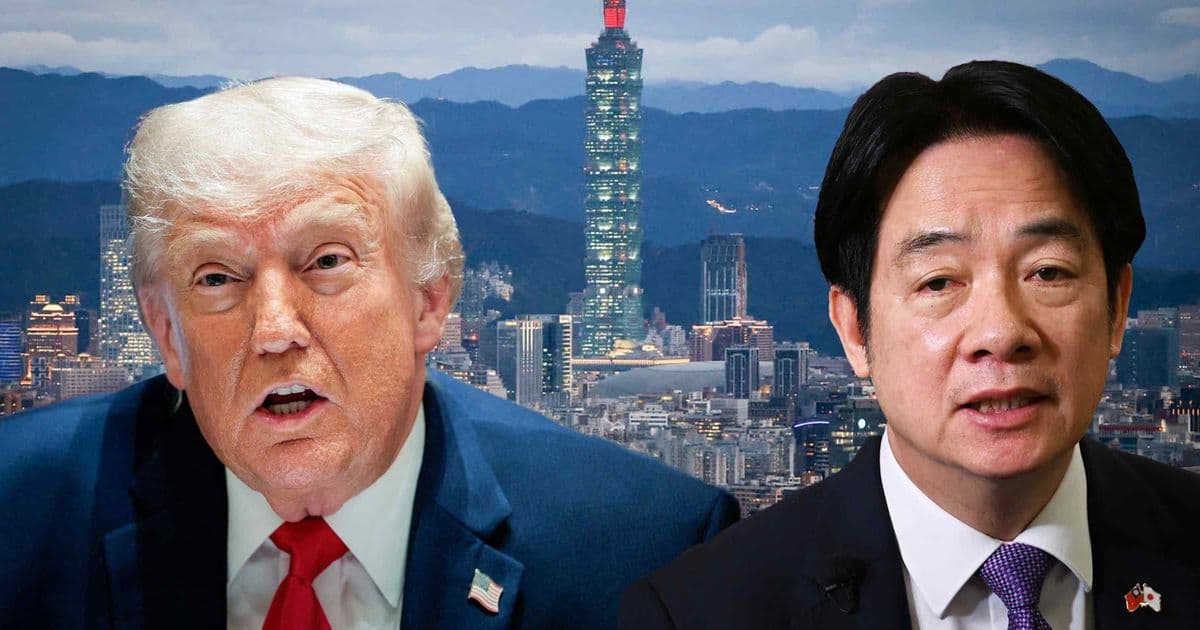
President Donald Trump’s recent comment that the United States “is not looking to have somebody say, ‘Let’s go independent’” marks a nuanced departure from the usual diplomatic phrasing on Taiwan. The statement, made during his China visit, has prompted varied reactions in Washington, Taipei, and Beijing, and could influence future defense sales, supply‑chain decisions, and regional risk assessments.
What Trump Said and Why It Matters
During his mid‑May visit to China, President Donald Trump broke with the standard U.S. diplomatic line that merely does not support Taiwan independence. In a press briefing he said the United States “is not looking to have somebody say, ‘Let’s go independent.’” While the wording stops short of an outright opposition, analysts interpret it as a subtle tightening of the U.S. stance.
Market Context
- Defense contracts: The U.S. has been the largest supplier of advanced weaponry to Taiwan, accounting for roughly $5.5 billion in sales over the past 12 months. Any perceived shift could affect the pipeline for F‑16 upgrades, missile defense systems, and the upcoming $1.2 billion drone procurement announced by President Lai Ching‑te.
- Supply‑chain exposure: Taiwanese semiconductor firms generate about $150 billion in annual revenue, with 70 % of global advanced‑node chips originating from the island. A change in U.S. policy may prompt multinational chipmakers to reassess inventory buffers and diversify fab locations, potentially boosting construction activity in Southeast Asia.
- Regional equities: Stocks of defense contractors such as Lockheed Martin (NYSE: LMT) and Raytheon Technologies (NYSE: RTX) have shown a 2.3 % and 1.8 % rally respectively since the comment, reflecting investor optimism that U.S. commitment to Taiwan’s security remains strong.
Four Things to Know
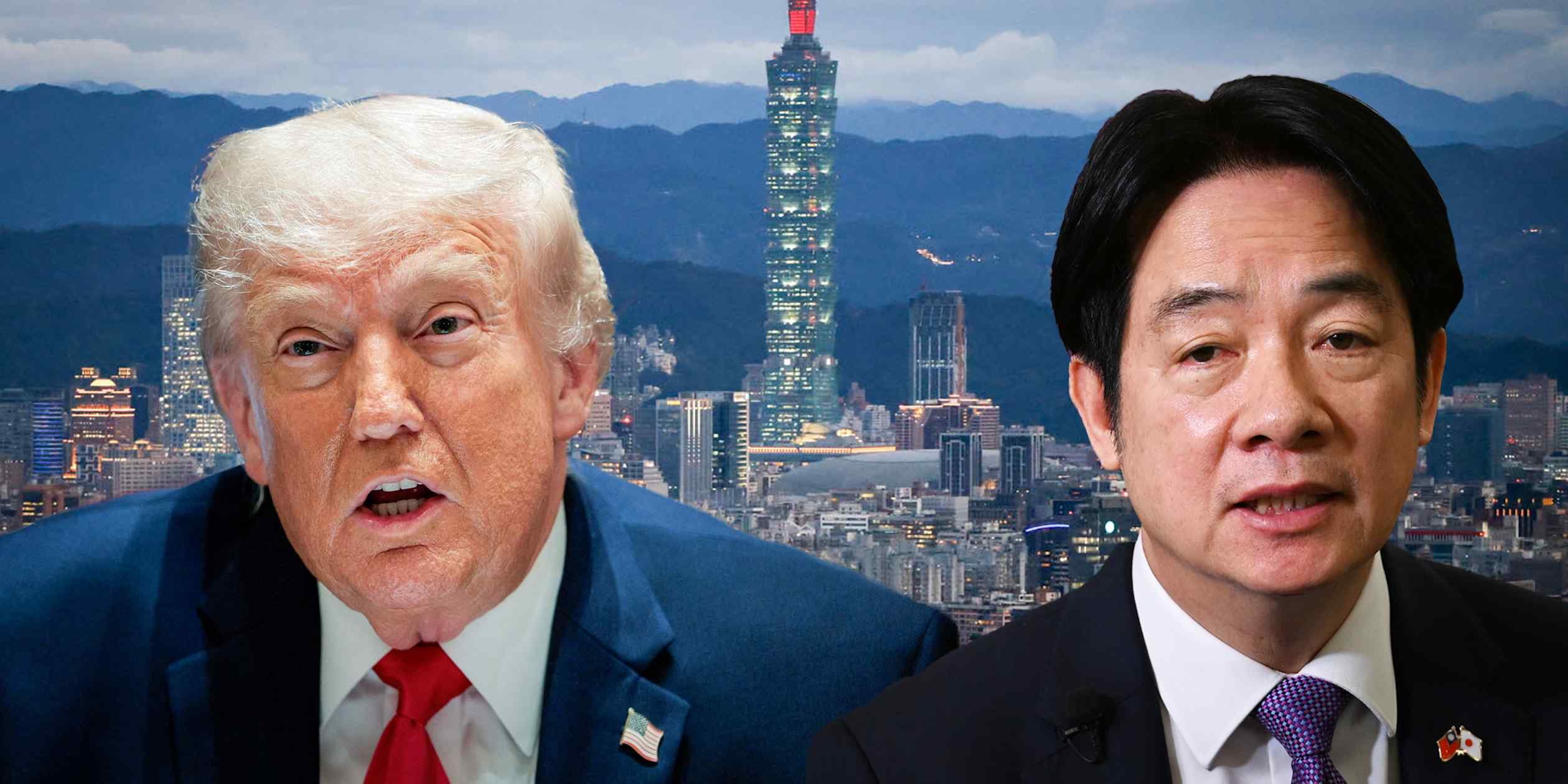
- The wording is deliberate, not accidental – By avoiding the phrase “does not support,” Trump leaves room for a firmer diplomatic posture while still sidestepping an outright renunciation of the status‑quo. This nuance gives the administration flexibility in future negotiations with Beijing.
- Taiwan’s leadership is reading the signal – President Lai Ching‑te reiterated that Taiwan will not “relinquish freedom,” and he has accelerated funding for indigenous drone programs, a move that could raise the island’s defense budget by $300 million over the next fiscal year.
- China’s response is calibrated – In a statement to state media, Xi Jinping warned that mishandling the Taiwan issue could lead to “a clash.” The warning suggests Beijing may test the limits of U.S. resolve, potentially by increasing naval activity in the Taiwan Strait.
- Investors are adjusting risk models – Credit rating agencies have nudged Taiwan’s sovereign rating from AA‑ to AA, citing a modest increase in geopolitical risk. Meanwhile, Asian hedge funds are reallocating a portion of their exposure from high‑beta tech stocks to defensive sectors such as aerospace and cyber‑security.
What It Means for Businesses
- Defense suppliers should prepare for a likely uptick in contract requests from Taiwan, especially in unmanned systems and missile‑defence technology. Companies that can demonstrate rapid delivery and integration will capture a larger share of the projected $2 billion procurement window.
- Semiconductor manufacturers may need to hedge against potential export‑control tightening. Firms with diversified fab footprints—particularly those expanding in Singapore, Japan, and the United States—are better positioned to absorb any supply shocks.
- Supply‑chain managers in consumer electronics should monitor inventory levels of Taiwanese components. A modest 5‑10 % increase in lead times could ripple through global production schedules, affecting quarterly earnings for firms like Apple and Samsung.
- Investors ought to factor in the heightened geopolitical premium when valuing Taiwan‑linked assets. A scenario analysis that includes a 10 % de‑risking of Taiwanese exposure could adjust portfolio risk metrics by 0.3‑0.5 % in value‑at‑risk calculations.
Bottom Line
Trump’s carefully worded comment does not overturn the longstanding U.S. policy of strategic ambiguity, but it does tighten the diplomatic script. The shift is already influencing defense budgeting, semiconductor supply‑chain strategies, and market sentiment across multiple sectors. Companies that anticipate the downstream effects—whether by securing new contracts, diversifying production sites, or recalibrating risk models—will be best positioned to navigate the evolving Taiwan Strait dynamics.
Comments
Please log in or register to join the discussion