Dolphin Emulator achieves the impossible with full Triforce arcade system emulation after decade-long effort, preserving Sega and Nintendo's ambitious but short-lived coin-op collaboration.
The Arcade's Last Stand
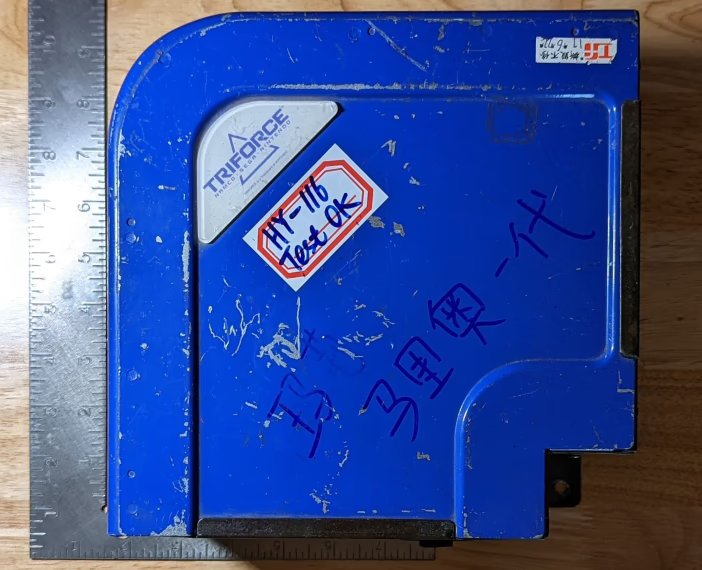
In the early 2000s, as arcades faced existential decline, Sega made a desperate gamble: partnering with former rival Nintendo to create Triforce - an arcade platform built on GameCube hardware. This aluminum-clad beast represented the industry's last attempt to deliver experiences impossible on home consoles. For years, these rare cabinets remained locked away from preservation - until now.
Inside the Metal Beast
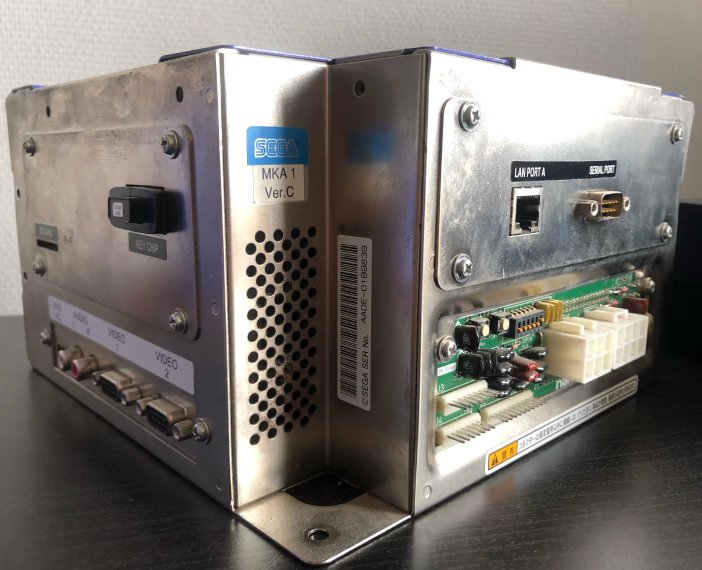
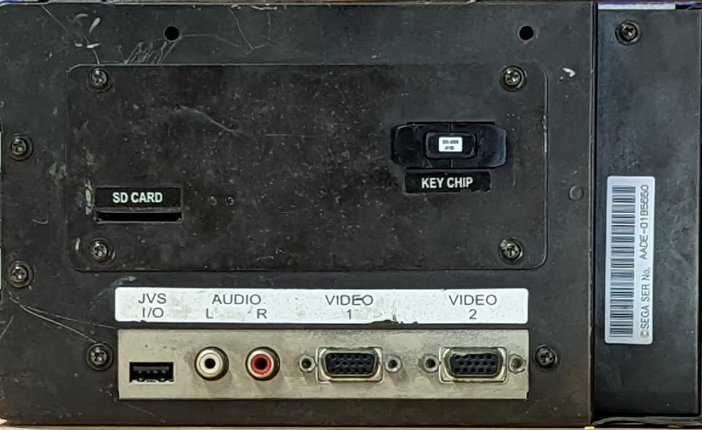
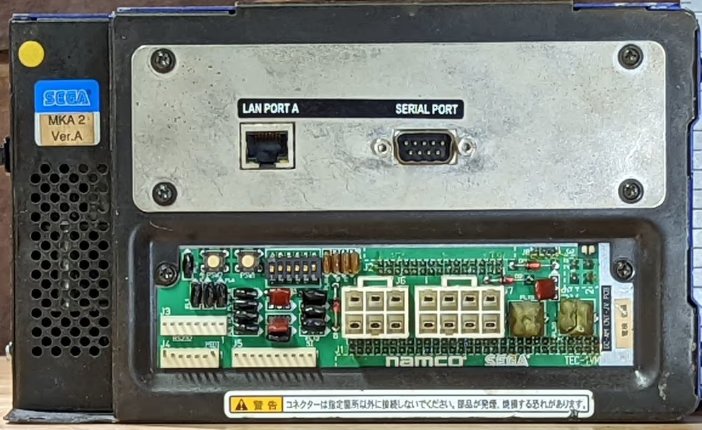
At its core, Triforce contained a stock GameCube motherboard augmented by two custom boards:
- AM-Baseboard: Translated arcade-standard JVS I/O to GameCube's SI bus while outputting video to dual VGA ports
- AM-Mediaboard: Replaced optical drives with either GD-ROM discs (using Dreamcast tech) or 512MB NAND cartridges
The system booted through a modified GameCube IPL into Segaboot - a service menu allowing operators to configure hardware tests and game settings. Crucially, Triforce implemented magnetic and IC card systems for saving progress across arcades, a revolutionary concept at the time.
The Games That Defined a Hybrid Era
Despite the powerhouse collaboration, only nine games graced Triforce cabinets:
Mario Kart Arcade GP/GP2 (Namco):
- Adapted Double Dash!! engine with Pac-Man guest appearances
- Magcards stored licenses, vehicle unlocks, and Mario Coins
- Arcade-focused design with aggressive item lock-ons
F-Zero AX (Sega AM2):
- Crown jewel of the platform with motion cabinet variants
- Physics tuned for force feedback wheels
- Featured tracks later unlockable in GameCube's F-Zero GX
Virtua Striker 4 (Sega AM2):
- First football/soccer game with global online rankings via Sega ALL.Net
- IC cards stored team configurations and player stats
The Key of Avalon (Sega AM3):
- Ambitious trading card RPG requiring five linked cabinets
- Nearly 300 beautifully illustrated cards with hidden barcodes
The Decade-Long Emulation Odyssey
Initial Triforce emulation attempts in 2012 relied on hardware hacks and brute-force patches. Progress stalled until developer crediar spent ten years reverse-engineering the platform:
- Hardware Accuracy: Emulated Baseboard/Mediaboard communication
- JVS I/O Translation: Mapped arcade controls to gamepads
- Card System Emulation: Virtual magcards retain progress between sessions
The Dolphin team initially hesitated due to code complexity, but rigorous testing revealed near-flawless compatibility across all nine titles. Final hurdles included:
- Multicabinet networking for Mario Kart
- Segaboot service menu implementation
- Android touchscreen controller mapping
Playing Triforce Today
Setup Requirements:
- Latest Dolphin Emulator (build 2512-395+)
- Triforce game ROMs
- Segaboot firmware file
Key Features:
- Automatic hardware detection when booting Triforce titles
- Shake-to-insert-coins on Android
- Networked multiplayer for Mario Kart GP/GP2
The Preservation Imperative
While functional, challenges remain:
- No touchscreen support for Key of Avalon
- Limited force feedback implementation
- Inability to swap virtual cards mid-session
"These cabinets were designed for thousands of plays but only hundreds were made," notes Dolphin developer Billiard. "Without emulation, games like Monster Ride's motion-controlled F-Zero would vanish forever."
The New Arcade Frontier
With Triforce conquered, Dolphin enters uncharted territory as history's first hybrid console/arcade emulator. The achievement proves that even the most obscure hardware can be resurrected through persistent reverse-engineering. As arcades continue fading, this milestone ensures Sega and Nintendo's ambitious collaboration won't be forgotten.
Dolphin Triforce Setup Guide: dolphin-emu.org/docs/triforce-dumping
Comments
Please log in or register to join the discussion