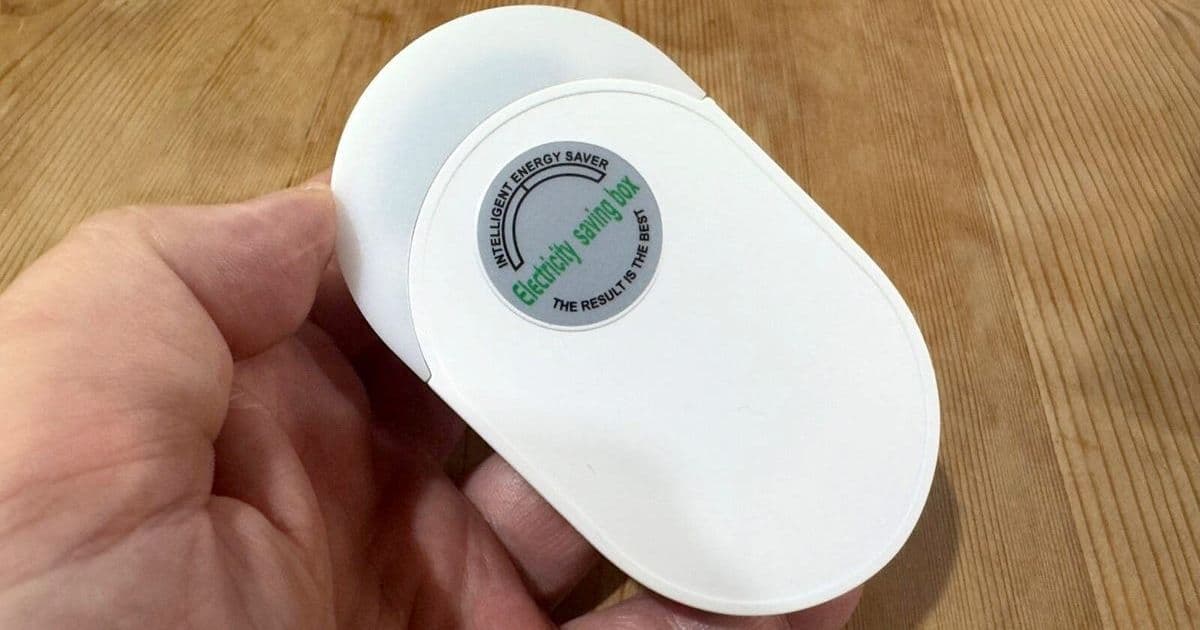
Fraudulent 'power-saving' devices are proliferating online, promising lower electricity bills but delivering fire hazards and wasted money instead. ZDNET's investigation reveals their dangerous flaws and advocates for smart plugs as a safe, tech-driven solution for genuine energy efficiency.
As energy costs continue to climb, consumers are increasingly desperate for ways to trim their electricity bills. This urgency has fueled a surge in online scams, with so-called 'power-saving' devices flooding marketplaces. These gadgets, often rebranded from dubious sources like rodent repellents, make bold claims about reducing energy consumption and extending appliance lifespans. But as Adrian Kingsley-Hughes, Senior Contributing Editor at ZDNET, discovered through hands-on testing, they are not just ineffective—they are potential fire starters.
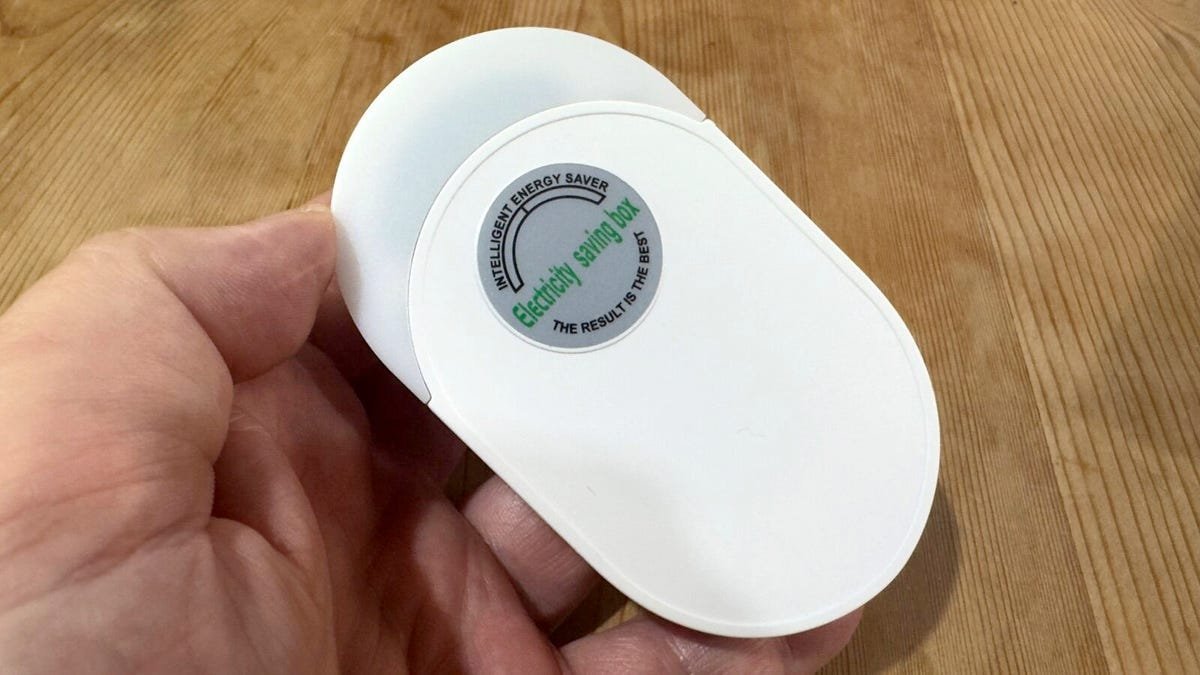
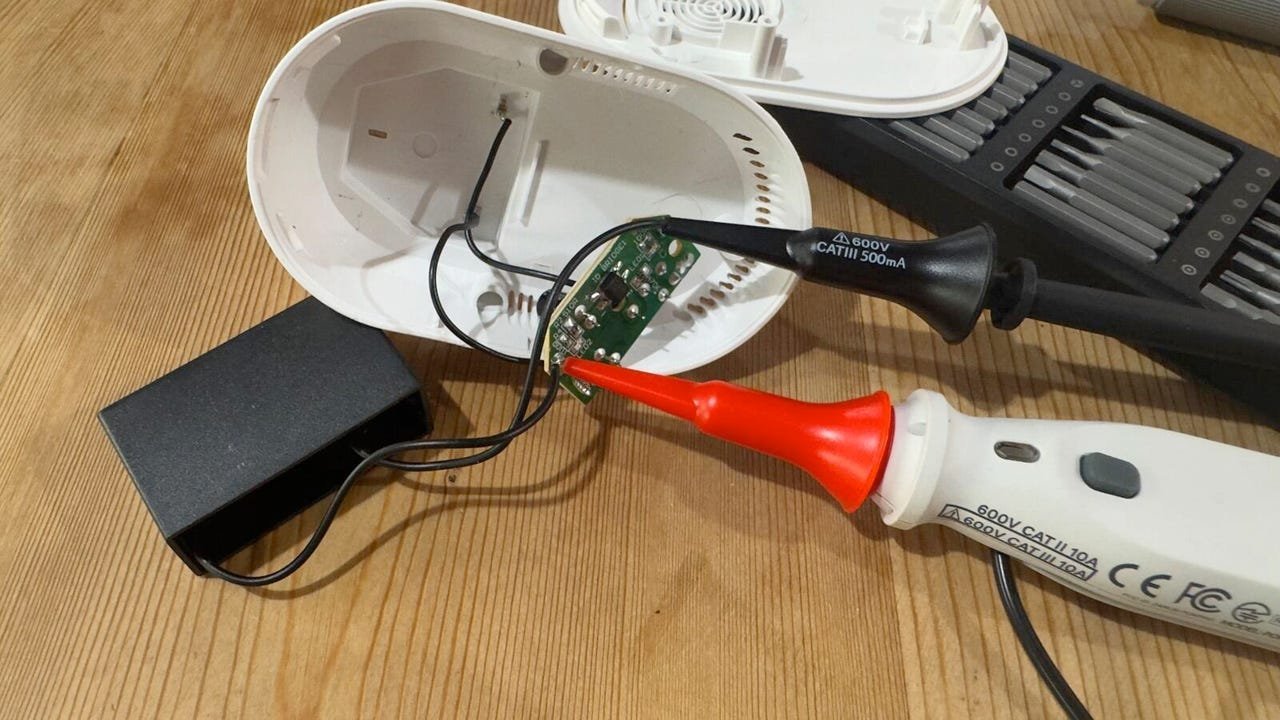
Kingsley-Hughes purchased multiple units for analysis, including one targeting the UK market. Despite authentic-looking certifications and promises to 'avoid illegal electrical waste,' the devices were shoddily constructed. Internal inspections revealed hair-thin wiring, poor assembly, and counterfeit components—like a capacitor that registered zero functionality during testing. Even the plug design violated regional safety standards. As Kingsley-Hughes notes:
'Plug these into your outlet and the best you can hope for is that they sit there adding to your power bill via their LEDs. The worst? They could set your home alight.'
These findings underscore a critical risk: beyond wasting money, these scams jeopardize household safety. The inclusion of a fuse in some models, absent in earlier iterations, suggests manufacturers anticipate failure—a chilling implication for consumers seeking savings.
So what actually works? Kingsley-Hughes recommends smart plugs or power strips, such as TP-Link's Tapo brand, as legitimate tech alternatives. These devices enable remote control of appliances via apps, allowing users to turn off idle devices like 3D printers or chargers effortlessly. More importantly, they provide real-time energy monitoring, revealing exactly how much power each connected device consumes. For instance, Kingsley-Hughes uses them to schedule his 3D printers, reducing runtime costs significantly.
The Tapo app offers detailed usage analytics, transforming abstract energy concerns into actionable data. While smart plugs draw minimal standby power, their ability to prevent larger wastes—like forgotten appliances running overnight—delivers tangible savings. Kingsley-Hughes emphasizes: 'Seeing real-time costs motivates you to switch things off. That’s real power management.'
For tech-savvy households, this approach aligns with broader energy efficiency trends, such as home automation and IoT integration. It’s a reminder that in the quest for savings, trusted technology outperforms too-good-to-be-true gimmicks every time. As Kingsley-Hughes concludes: skip the scams; embrace smart, data-driven solutions that protect both your wallet and your home.
Source: ZDNET Investigation by Adrian Kingsley-Hughes
Comments
Please log in or register to join the discussion