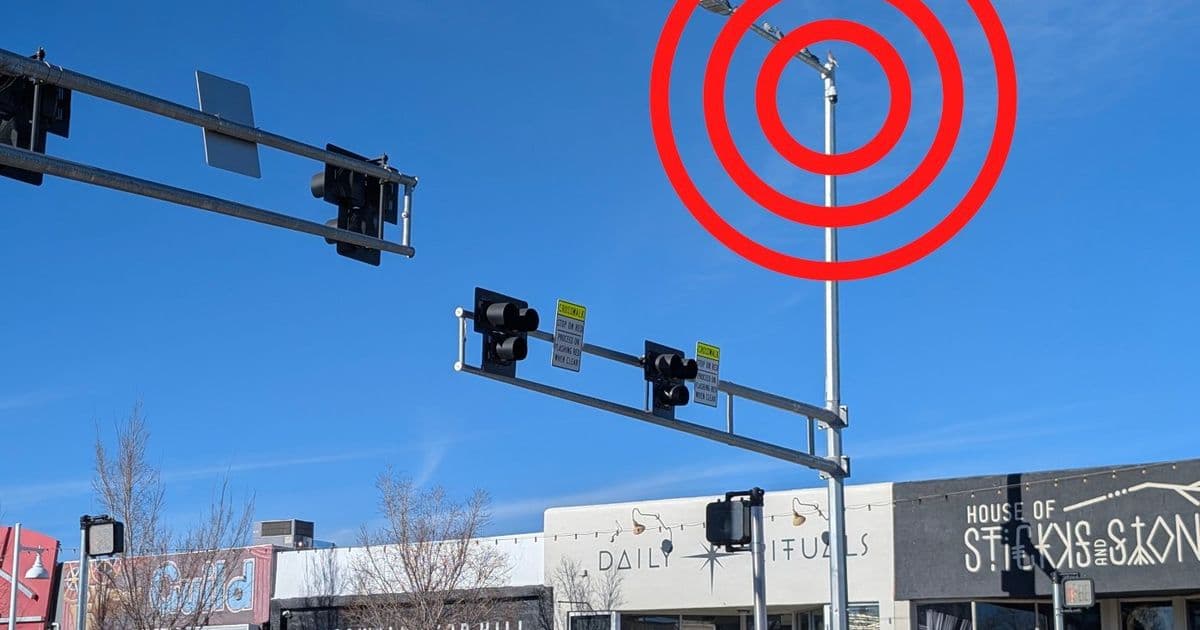
Automated License Plate Readers have evolved from niche police tools into pervasive urban monitoring systems, with Flock Safety accelerating deployment through aggressive Silicon Valley tactics. This deep dive examines how surveillance networks bypass public oversight, share sensitive data across agencies, and create alarming privacy implications despite technical limitations.
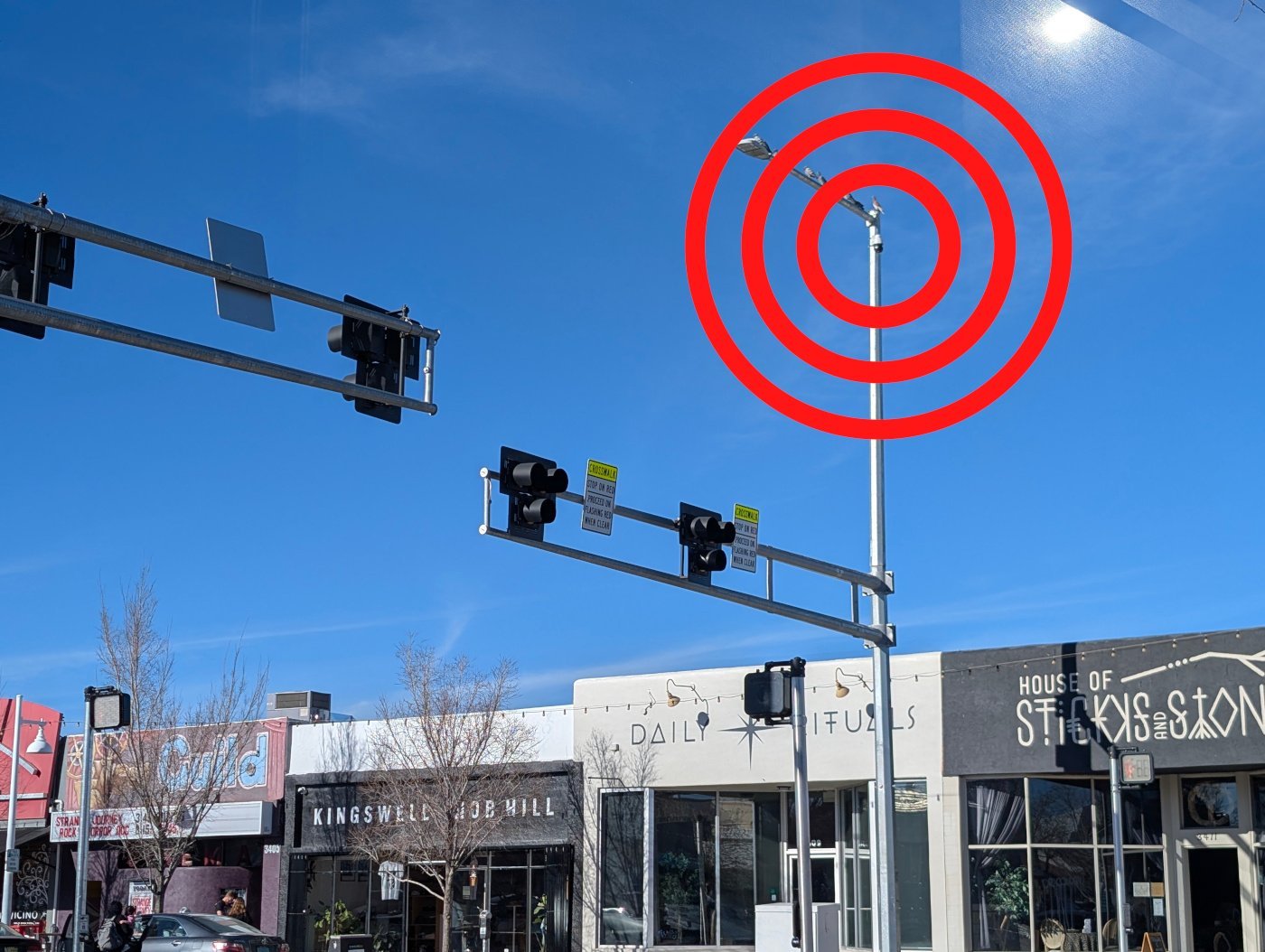
Walking through Albuquerque's streets reveals an unsettling landscape: cameras perched on traffic signals, mounted on police trailers, and integrated into streetlights. These Automated License Plate Readers (ALPRs) capture every passing vehicle, logging locations, times, and movements into databases retained for years. What began as limited police tools in the early 2010s have become ubiquitous surveillance infrastructure—with retention periods ballooning from 14 days to a full year and data shared with agencies nationwide.
At the center of this expansion sits Flock Safety, a venture-backed company applying Silicon Valley's "move fast" ethos to law enforcement surveillance. Their $4,000 solar-powered cameras and $3,000/year licensing fees undercut traditional vendors like Motorola, while their data-sharing model creates de facto nationwide surveillance networks. "Flock has built an ALPR-centric Nextdoor," explains the source article, referencing the company's opt-in sharing system that enables cross-jurisdictional data access—often without agencies' full awareness.
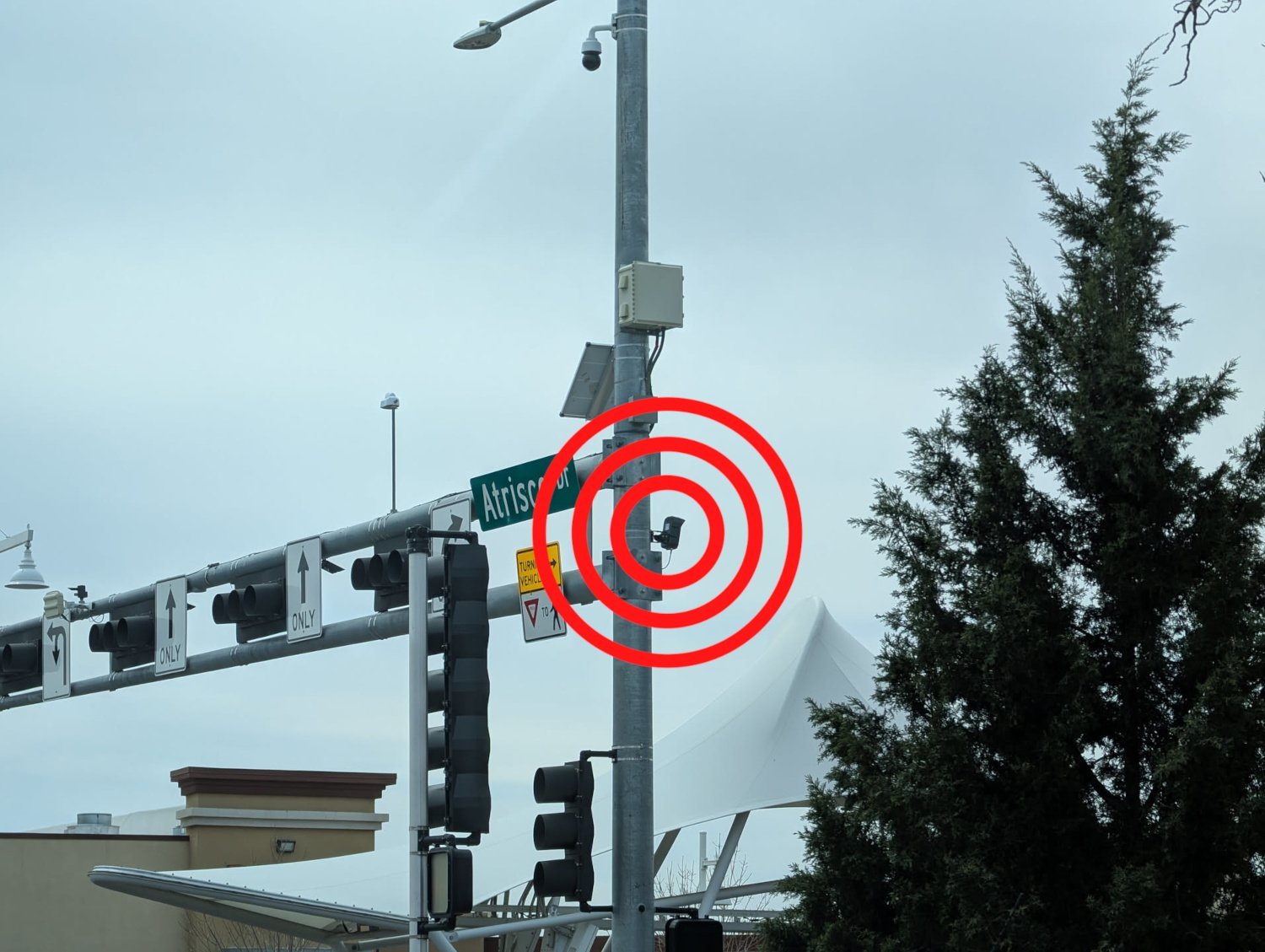
The Opaque Surveillance Complex
Three concerning patterns emerge in modern urban surveillance:
- Evasion of Oversight: Police departments increasingly structure purchases through private donors or business associations to bypass public records requirements. In Las Vegas and the Bay Area, wealthy tech executives directly fund surveillance systems, creating completely opaque monitoring networks.
- Technical Theater: Despite perceptions of omniscience, most surveillance systems suffer from poor maintenance and technical limitations. Facial recognition remains impractical for overhead cameras, ALPR misreads plates routinely, and Bluetooth tracking fails against modern randomized identifiers. As noted: "Lots of the cameras you see in public only barely work."
- Policy Arbitrage: Flock's sharing features have enabled law enforcement to circumvent state laws prohibiting collaboration with federal agencies like ICE. Multiple attorneys general have intervened after discovering unauthorized data sharing targeting vulnerable populations.
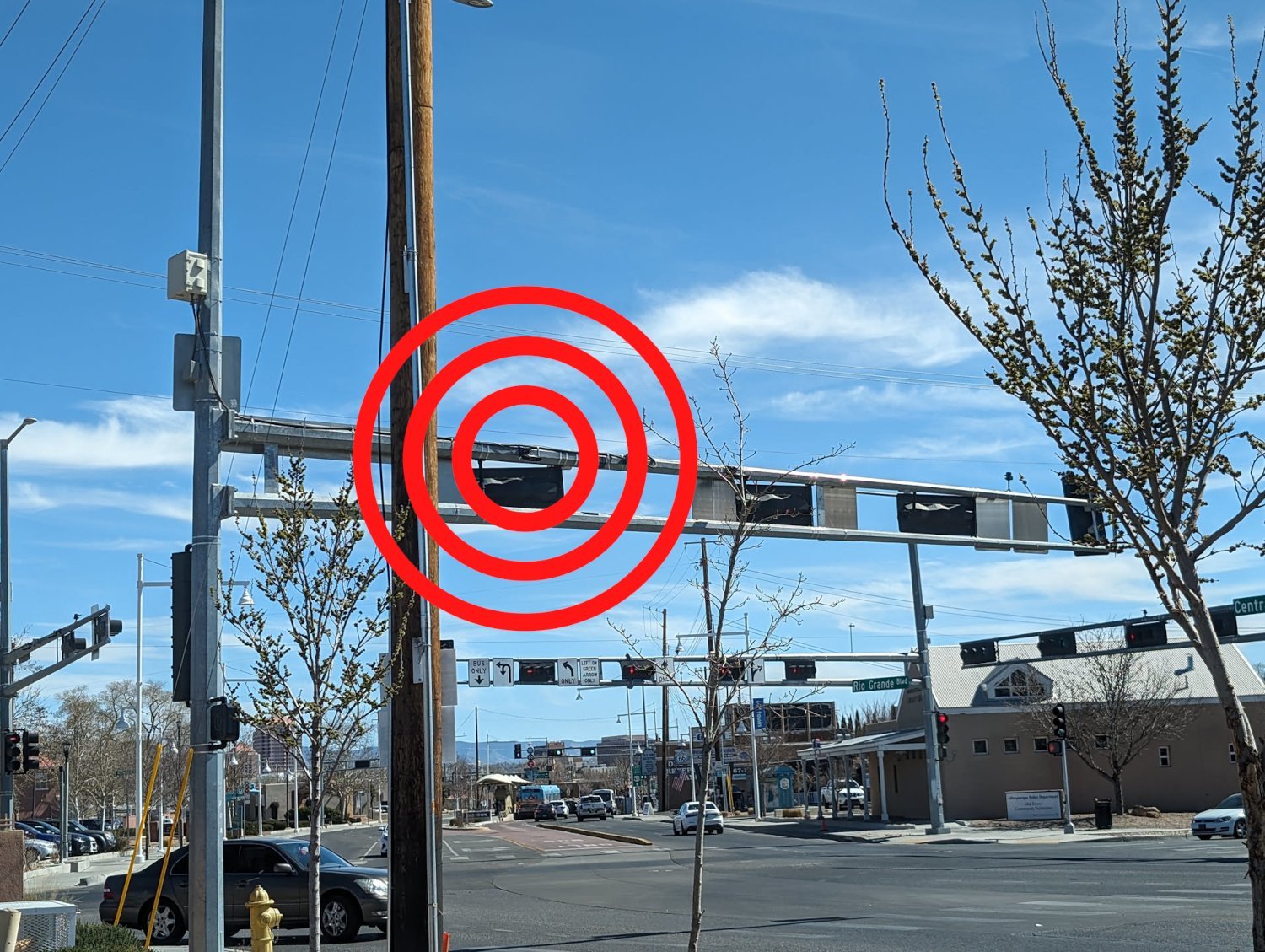
The Surveillance-Industrial Complex
Flock exemplifies how tech industry dynamics accelerate surveillance adoption:
- Network Effects: Enabling data sharing between HOAs, businesses, and police creates lock-in and exponentially increases coverage
- Privatized Enforcement: Home Depot and Lowe's now deploy Flock cameras in parking lots, blurring lines between private security and public surveillance
- Stealth Expansion: Flock contracts reportedly encourage secrecy, with one detective noting ALPR trailers were deliberately placed near suspects' homes for "intimidation"
Beyond Optics: Audio and Future Vectors
While ALPR dominates, other surveillance vectors loom:
- Acoustic Monitoring: Systems like ShotSpotter claim gunshot detection but face credibility questions
- Cellular Tracking: "Stingray" devices intercept phone signals despite protocol improvements
- Facial Recognition: Slowly expanding in permissive environments like casinos, though retail deployments remain limited after Rite Aid's $FTC settlement
"Vendor-enabled mass surveillance technology like Flock is subject to enormous abuse and will inevitably undermine constitutional protections." — Source analysis
Reclaiming Accountability
The path forward requires dismantling surveillance opacity:
- Demand Transparency: Local legislation forcing disclosure of surveillance capabilities
- Technical Safeguards: Enforce data minimization and access controls at system design level
- Public Advocacy: Counter normalization through council meetings and policy engagement
As surveillance networks expand unchecked, the most powerful countermeasure remains sunlight—both on the technologies watching our streets and the contracts enabling their proliferation.
Comments
Please log in or register to join the discussion