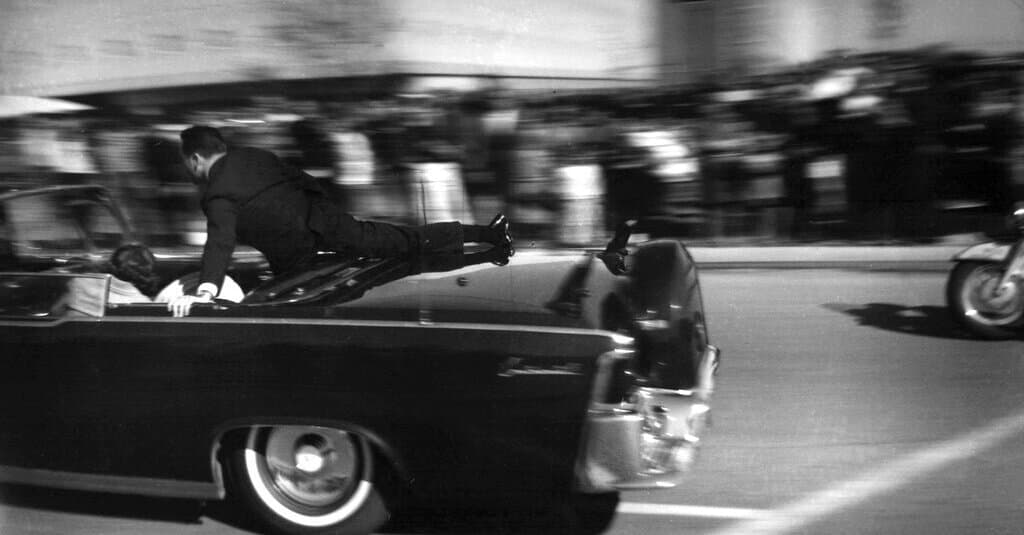
Clint Hill’s frantic scramble to protect President Kennedy on the fateful day of November 22, 1963, left an indelible mark on national security and his own psyche. A decade‑long examination of his actions, trauma, and later advocacy offers a sobering lesson for modern security professionals on the human cost of rapid response and the necessity of mental‑health support.
The Unseen Hero of Dallas
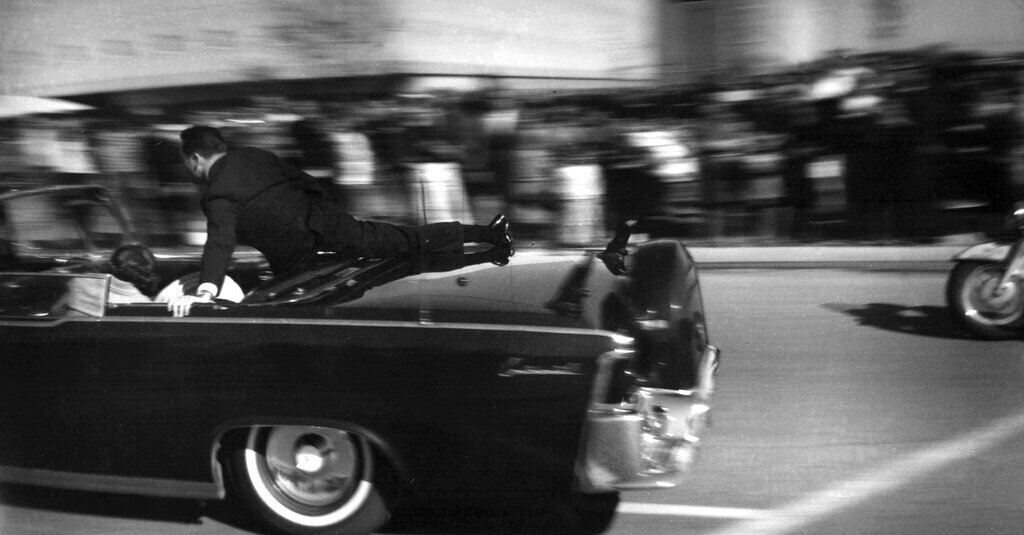
On the morning of November 22, 1963, a 31‑year‑old Secret Service agent named Clint Hill found himself on the running board of a car that would become the backdrop of one of the most consequential moments in American history. Hill’s frantic attempt to shield President John F. Kennedy and First Lady Jacqueline Kennedy from a hail of bullets is captured in the Zapruder film, but the story that followed is far more complex than a single frame of footage.
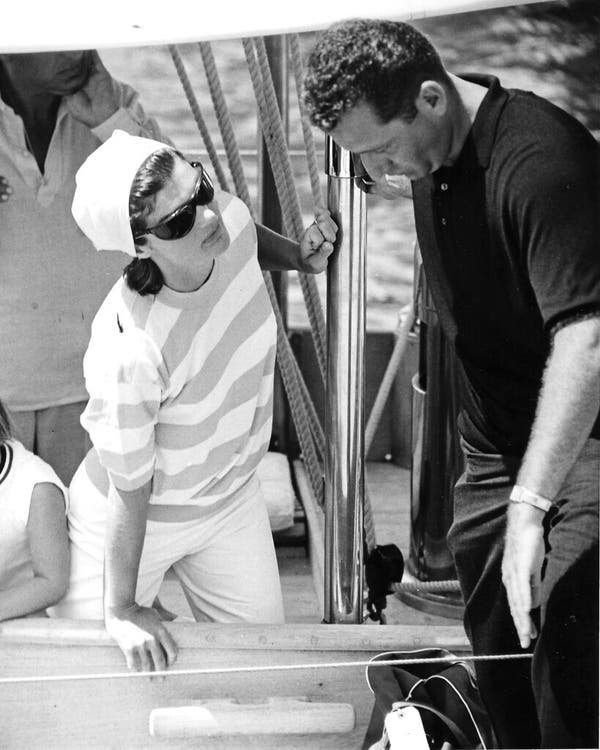
Hill had been assigned to protect the first lady, a role that demanded vigilance and a calm demeanor. The day in Dallas, however, turned into a test of human limits. He recalls the moment the gunfire erupted: "I heard an explosive noise from my right. I saw President Kennedy grabbing at his throat and sagging to his left."
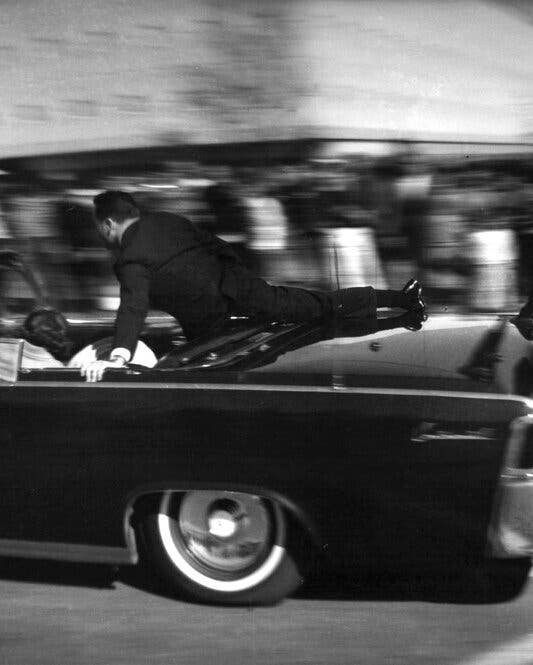
In the split seconds that followed, Hill grabbed a trunk handle, yanked himself aboard the limousine, and thrust his body between the president and the first lady. He described the scene as a "hole in the president’s skull" and reflected that if he had reacted even a fraction of a second faster, the outcome might have been different. Hill’s self‑attribution of fault—"It was my fault"—echoes across the decades.
After the Gunfire
The assassination left Hill haunted. He would not discuss the events with friends, medical professionals, or even his wife at the time. Instead, he spoke only twice: once to the Warren Commission in 1964 and again to Mike Wallace on "60 Minutes" in 1975. The silence that followed was broken only by his own internal struggle.
Hill attempted suicide 37 days after Dallas, walking fully clothed into the ocean off Palm Beach, Florida, where he was rescued by a police officer. The incident was a stark reminder of the psychological toll that high‑stakes security work can exact.
Despite the trauma, Hill later became an outspoken advocate for mental‑health resources within the Secret Service. He pushed for the inclusion of women in the agency, critiqued conspiracy theories, and, in the 1990s, visited the Texas School Book Depository to confront the very site that had become a symbol of failure.
Lessons for Modern Security
Hill’s experience offers several enduring lessons for today’s security professionals:
Rapid Response Is Human, Not Machine‑Driven – Even the most trained agents can be overwhelmed by the speed of an incident. Continuous training that emphasizes situational awareness, decision‑making under pressure, and adaptive tactics can help mitigate the risk of human error.
Mental‑Health Support Is Essential – The psychological impact of a traumatic event can persist for decades. Modern agencies must provide timely counseling, peer‑support programs, and a culture that encourages disclosure rather than stigma.
Transparency and Accountability Build Trust – Hill’s reluctance to discuss the day publicly contributed to a narrative of secrecy. Open communication about failures and lessons learned fosters institutional resilience and public confidence.
The Human Factor Remains Central – Technology can augment security, but the presence of a vigilant, well‑trained human guard remains irreplaceable. Hill’s story underscores the importance of investing in people, not just tools.
Legacy
Clint Hill’s life spanned more than nine decades, during which he witnessed the evolution of national security from a nascent agency to a global force. His willingness to confront his past, to speak about the psychological scars, and to advocate for systemic change has left a lasting imprint on the profession.
The narrative of Hill’s single, split‑second decision is a reminder that security is not merely about protocols and technology; it is about people who must act under unimaginable pressure. His legacy calls on current and future security leaders to prioritize human resilience as much as technical proficiency.
Source: The New York Times Magazine, "The Lives They Lived", December 16, 2025, by Matt Flegenheimer.
Comments
Please log in or register to join the discussion