Shipping a product marks only the beginning of the real work—measuring its true impact demands rigorous analysis and iteration. This deep dive explores how tech teams can leverage data to transform outcomes into actionable insights for smarter innovation. Learn the metrics and mindset shifts that separate thriving products from forgotten launches.
The Unseen Journey: Why Measuring Product Success Is Tech's Most Critical Post-Launch Challenge
In the fast-paced world of technology, product launches are often met with fanfare, but the real test begins after the code ships. As highlighted in Taskframe's insights, the process of measuring product success and learning from outcomes isn't just a box-ticking exercise—it's a fundamental discipline that shapes the future of innovation. For developers, engineers, and tech leaders, this phase determines whether a product evolves into a market leader or fades into obsolescence. Ignoring it risks wasted resources, misaligned priorities, and stagnant growth in an industry where agility is king.
Beyond Vanity Metrics: What Truly Defines Success
Product success in tech isn't about download counts or initial hype; it hinges on meaningful metrics that reflect user value and business impact. Key performance indicators (KPIs) like daily active users (DAU), retention rates, and revenue per user provide a quantitative backbone, while qualitative feedback from user interviews and support tickets uncovers hidden pain points. For instance, a SaaS tool might track feature adoption rates to gauge usability, or an AI application could monitor error rates to refine algorithms. As one product veteran notes:
"Data without context is noise. The magic happens when teams correlate metrics with real-world user stories to drive prioritization—turning what we measure into what we improve."
This approach requires cross-functional collaboration, where developers instrument analytics into their code, DevOps teams ensure data pipelines are robust, and product managers synthesize insights into actionable backlogs. Fail to embed this early, and you risk building in the dark.
Learning from Outcomes: The Engine of Continuous Improvement
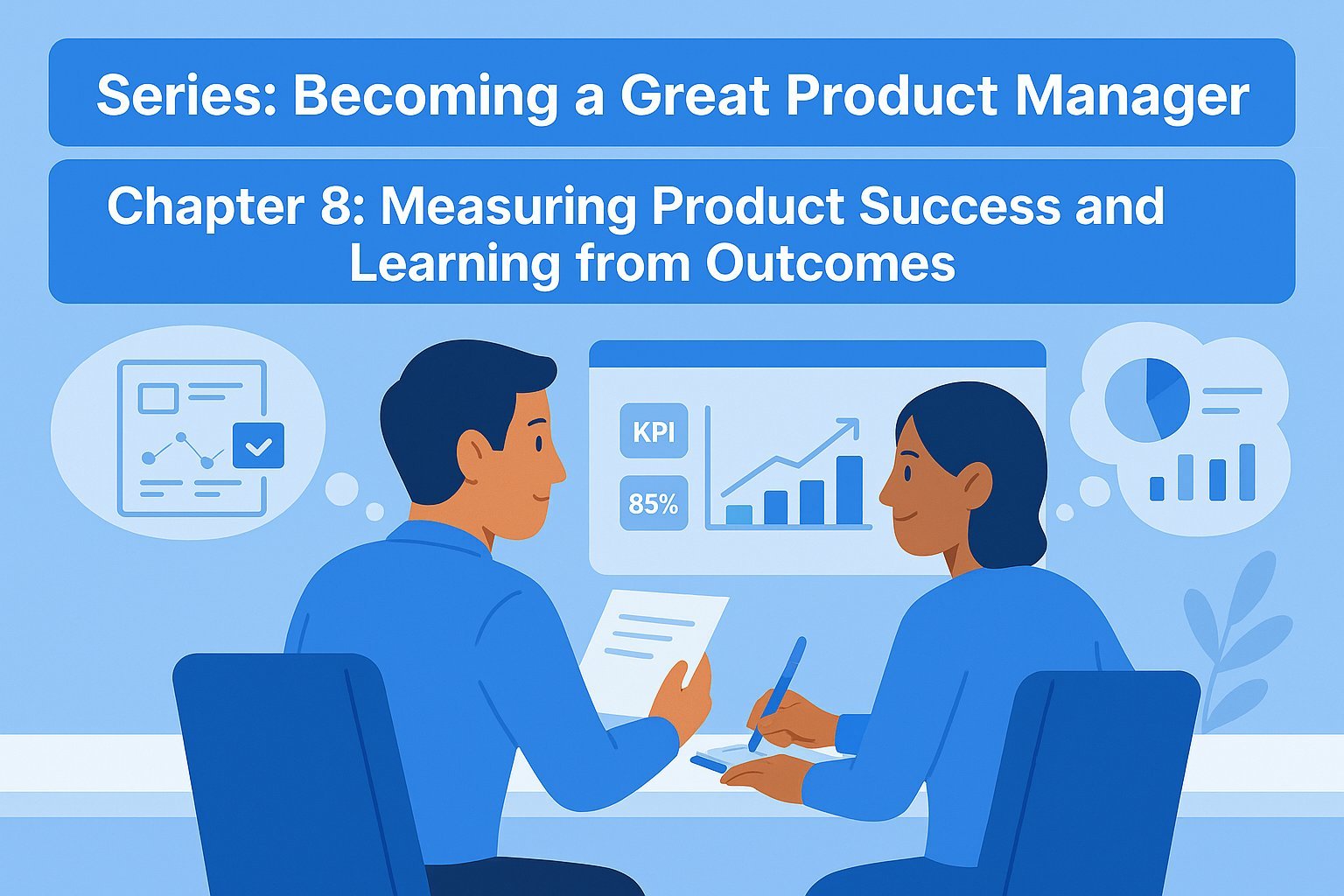
Analyzing outcomes is where the rubber meets the road. Taskframe emphasizes that every launch should be treated as an experiment, with teams conducting retrospectives to dissect wins and failures. Techniques like A/B testing, cohort analysis, and root cause investigation help pinpoint what worked—such as a new API integration boosting developer engagement—and what didn’t, like a UI change that increased churn. The goal isn't just to report numbers but to foster a culture of learning, where data informs the next sprint. For example, if retention drops post-update, engineers might dive into logs to optimize performance, while product leaders pivot strategies based on behavioral trends. This iterative cycle transforms insights into velocity, ensuring that each release compounds value rather than repeating mistakes.
Why This Matters: Empowering Tech Teams for Long-Term Impact
For technical audiences, this focus on measurement and learning isn't academic—it’s existential. In an era of tight budgets and AI-driven disruption, products that don’t evolve rapidly become technical debt. Developers gain clarity on which features to enhance or deprecate, reducing wasted effort. Engineering leaders can allocate resources smarter, using data to justify tech stack changes or scalability investments. Moreover, it elevates the role of tech in strategic decisions; when a machine learning model's accuracy metrics directly influence business outcomes, data scientists move from support players to core innovators. Ultimately, this discipline builds resilient products that adapt to user needs, turning post-launch analysis into a competitive edge in crowded markets.
The journey from shipment to success is a marathon, not a sprint. By embracing rigorous measurement and reflective learning, tech teams don’t just build products—they craft legacies of innovation that endure.
Source: Taskframe
Comments
Please log in or register to join the discussion