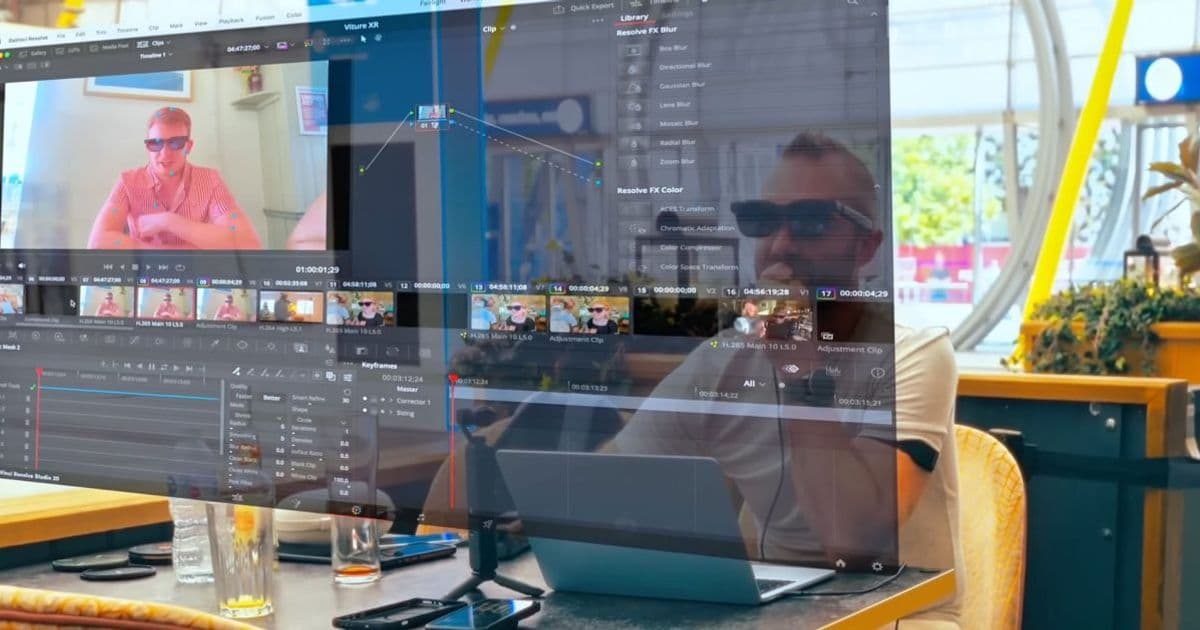
Viture's Luma Ultra glasses deliver improved spatial tracking and comfort for Mac-based virtual monitors, positioning themselves as a compelling alternative to Apple Vision Pro for productivity use cases.
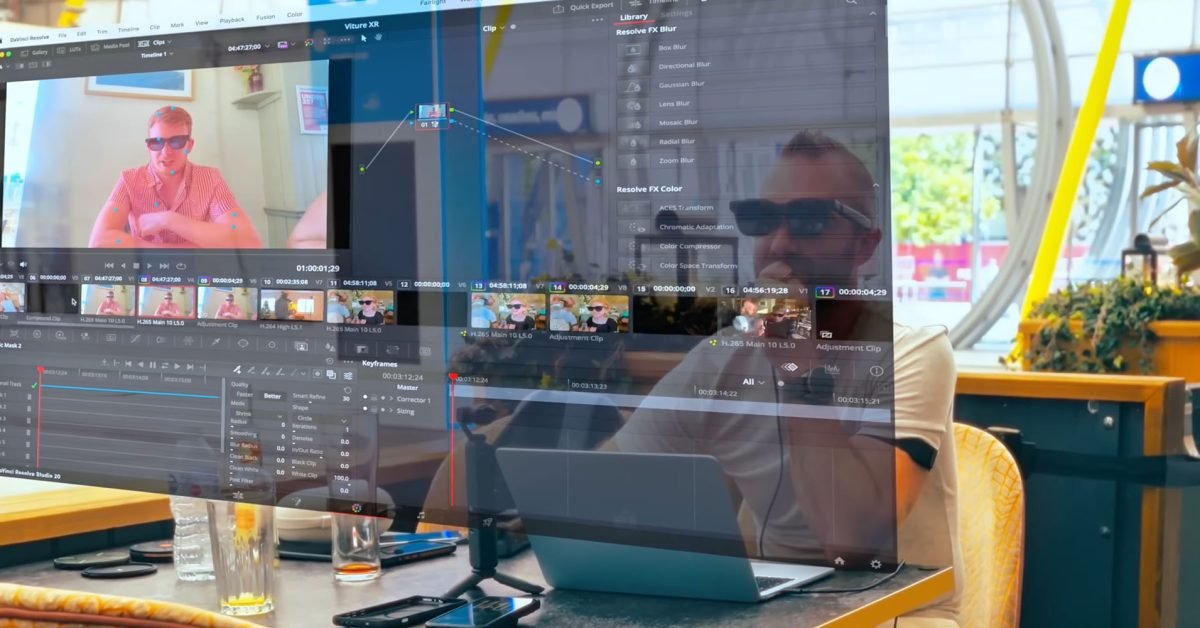
What began as portable video glasses has evolved into a serious spatial computing contender. The Viture Luma Ultra ($599) bridges the gap between basic face monitors and premium headsets like Apple Vision Pro, implementing 6DoF tracking and external cameras to stabilize virtual displays. While not matching Vision Pro's precision, it achieves remarkable performance in a lightweight form factor that many users find wearable for extended sessions.
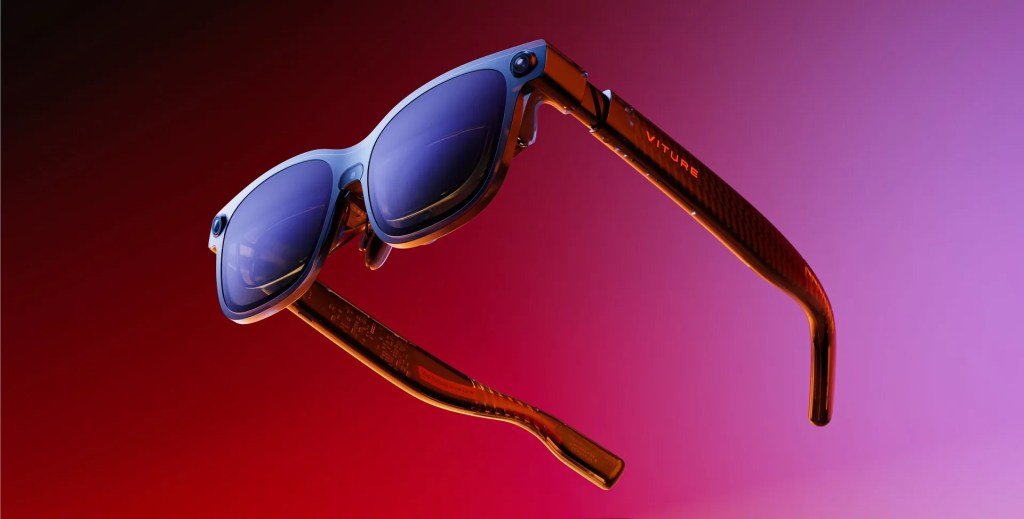
The core advancement lies in spatial tracking. Earlier Viture models suffered from display drift during use, requiring frequent recentering. The Luma Ultra addresses this with three external cameras (front and sides) and 6-degree freedom tracking, allowing virtual monitors to maintain position more reliably. Users can walk away and return to find displays where they left them – a capability previously exclusive to high-end headsets. Electrochromic film enables adjustable transparency, blending digital content with physical environments.
For Mac users seeking portable productivity, the Luma Ultra supports multiple display configurations: a single ultrawide monitor or arrangements of smaller screens. In testing, the 49-inch ultrawide equivalent proved most stable, viewable by natural head movement rather than controller adjustments. This tethered approach leverages existing Mac hardware, avoiding Vision Pro's premium for standalone processing.
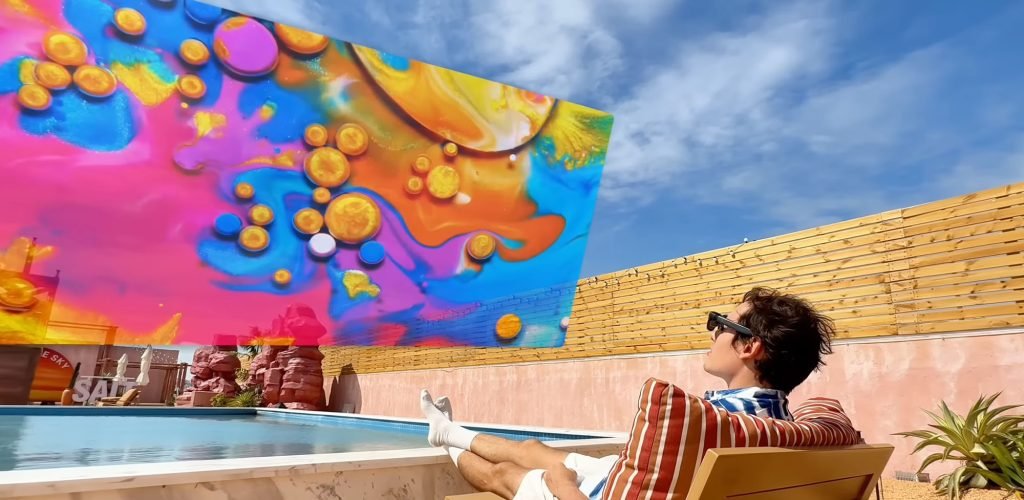
Despite improvements, compromises remain. Myopia correction now maxes at -4.0D (down from -5.0D), requiring prescription inserts for some users. Minor positional drift persists compared to Vision Pro's rock-solid anchoring. The 1080p per-eye resolution falls short of Apple's micro-OLED displays, though it suffices for productivity tasks.
The weight and thermal design deserve particular praise. At 87g (versus Vision Pro's 650g), the glasses enable multi-hour coding or editing sessions without neck strain or overheating. This comfort – combined with sub-$600 pricing – creates a compelling value proposition for professionals prioritizing mobility.
As spatial computing evolves, the Luma Ultra demonstrates that effective virtual monitor solutions needn't require full headsets or premium pricing. Its trajectory suggests Apple could develop a "Vision Air" product focusing on display extension rather than standalone functionality – potentially bridging the gap between Viture's approach and Vision Pro's precision at a $1,000-$1,500 price point. Until then, the Luma Ultra stands as the most convincing Mac display accessory in its class.

Comments
Please log in or register to join the discussion