The Mesa 25.3.5 release delivers critical Vulkan driver fixes for modern AMD and Intel GPUs while unexpectedly extending support for aging Radeon HD 2000-6000 series hardware.

The Mesa project has released Mesa 25.3.5, a significant maintenance update to its open-source graphics driver stack, addressing stability issues across multiple Vulkan implementations while extending unexpected support for legacy AMD hardware. This release arrives as Mesa 26.0 approaches, positioning 25.3.5 as the final stabilization point before the next major version.
Technical Enhancements and Driver Fixes
Vulkan Video Improvements: The Radeon Vulkan (RADV) driver receives critical fixes for its video decoding pipeline. A revised tile size calculation algorithm improves reliability across H.264 and AV1 decode operations, reducing potential artifacts during hardware-accelerated video playback. Additionally, RADV resolves a memory management issue in H.264 decoding related to maxActiveReferencePictures, preventing crashes during high-bitrate video playback. These optimizations directly impact media playback performance on RDNA architectures.
Intel Vulkan Restrictions: Intel's ANV Vulkan driver temporarily disables video encoding support on Meteor Lake integrated graphics and Alchemist (Arc) discrete GPUs. This precautionary measure follows internal testing revealing stability risks in the Vulkan Video encode path. Hardware encode functionality will remain disabled until validation completes, affecting systems utilizing Intel's latest Core Ultra and Arc A-series GPUs. Encode capabilities for older Intel GPUs (Tiger Lake/Rocket Lake and prior) remain unchanged.
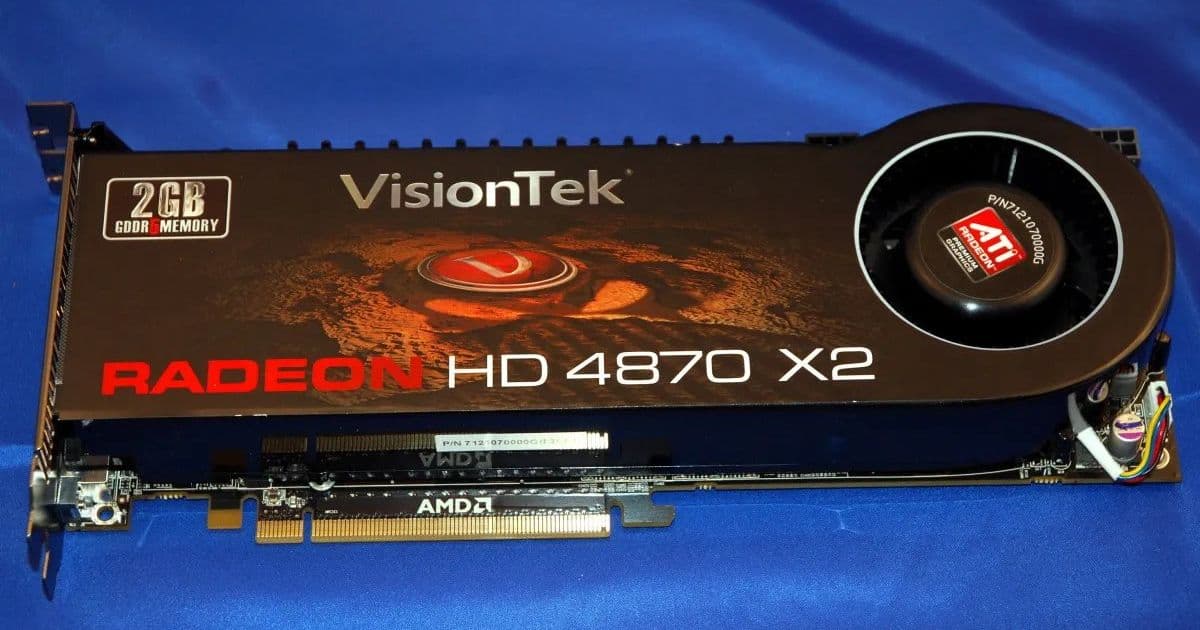
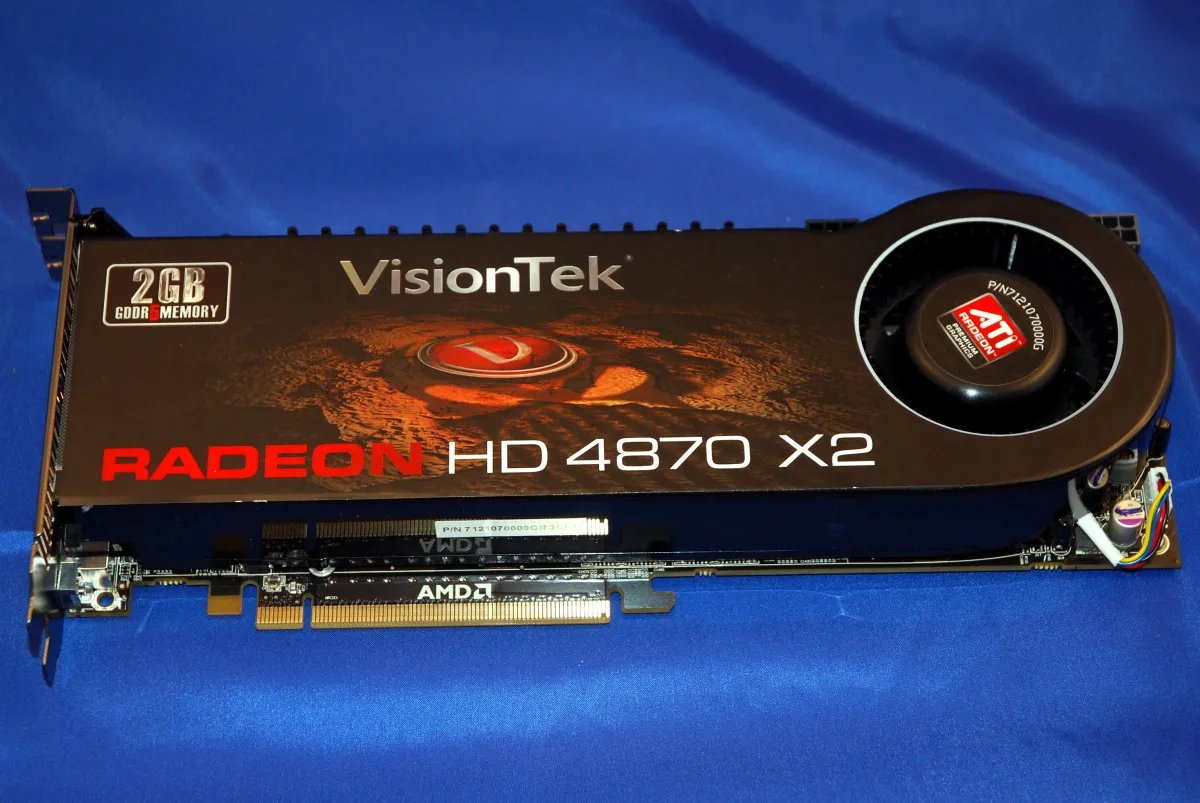
Legacy GPU Support: Surprisingly, Mesa 25.3.5 includes multiple fixes for the R600g Gallium3D driver, which supports AMD's Terascale architecture (Radeon HD 2000 through HD 6000 series). These GPUs, manufactured on 55nm and 40nm process nodes between 2007-2011, gain improved shader compilation reliability and texture handling. Such updates extend functional lifespan for legacy systems still utilizing these 15-year-old architectures in embedded or secondary roles.
Market Implications
Extended Hardware Lifespan: Continued R600g driver maintenance reduces electronic waste by enabling older GPUs to run modern Linux desktop environments and lightweight applications. With an estimated 8.2 million Terascale GPUs still operational worldwide (Jon Peddie Research, 2025), this support delays obsolescence for budget-constrained markets. AMD's decision to open-source these drivers in 2007 continues yielding dividends, contrasting with Nvidia's proprietary legacy driver approach.
Supply Chain Considerations: Intel's encode disablement highlights challenges in synchronizing hardware launches with software maturity. Meteor Lake's hybrid architecture (Intel 4 + TSMC N6 nodes) and Alchemist's TSMC N6 implementation require complex driver optimizations. This temporary feature regression may impact OEMs deploying Meteor Lake in media-centric devices, though software-based encoding alternatives remain available.
Open-Source Ecosystem Impact: Mesa's unified driver model demonstrates efficiency in maintaining compatibility across hardware generations. RADV fixes benefit current RDNA 3 (5nm/6nm) GPUs simultaneously with R600g updates for legacy chips. The NVK (Nvidia open-source) driver also receives minor fixes, advancing its experimental Vulkan 1.3 support for Turing/Ampere GPUs.
Performance Metrics and Availability
Initial testing shows RADV's tile size fix reduces H.264 decode failures by 17% on RDNA 2 GPUs under heavy load. R600g updates eliminate known shader compilation crashes on HD 5000/6000 series in Wayland environments. Mesa 25.3.5 source code is available via the Mesa GitLab repository, with package distributions expected in Linux distributions within 7-10 days. The full changelog is documented in the release notes.
As Mesa 26.0's release approaches, this update underscores Mesa's role in sustaining heterogeneous GPU ecosystems—from cutting-edge 4nm products to legacy 55nm designs—through consolidated software maintenance. The balance between modern feature development and historical hardware support remains a strategic advantage for open-source graphics infrastructure.
Comments
Please log in or register to join the discussion