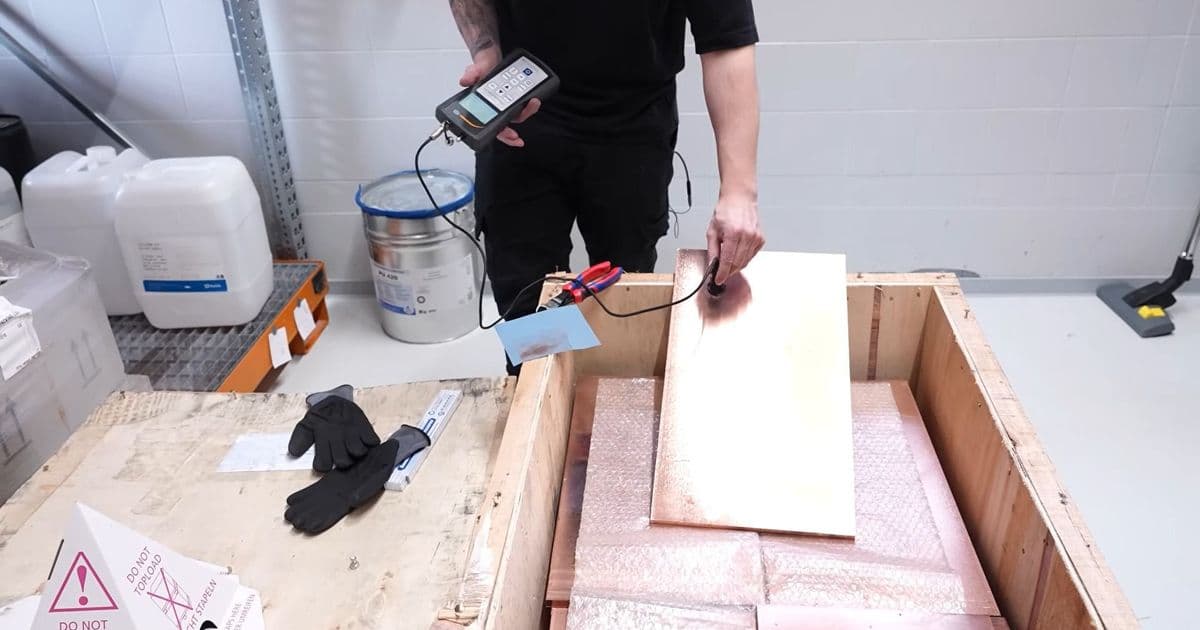
Thermal Grizzly, a computer accessories company, was scammed out of $46,000 by two separate suppliers on Alibaba who sent fake copper and aluminum materials instead of the genuine metals ordered.
Thermal Grizzly (TG), the computer accessories company founded by renowned overclocker Roman 'Der8auer' Hartung, has suffered a significant financial loss after being scammed by two separate suppliers on Alibaba. The company, which had been struggling to source copper and aluminum plates in Europe, turned to Chinese suppliers only to receive shipments of fake materials worth nearly $50,000.
In a candid YouTube video that Der8auer described as "quite embarrassing," he detailed how TG's attempt to diversify its supply chain ended in disaster. Despite taking what seemed like prudent precautions - including paying only 30% upfront and verifying supplier credentials - both suppliers sent fraudulent materials that passed initial visual inspections but failed basic material tests.
The first supplier sent what appeared to be copper slabs that were actually ferric metal (iron or steel) with a thick copper coating. These fake copper plates passed a visual inspection and even looked authentic under electron microscopy when a corner was snipped off. However, when tested with a thermal surface conductivity meter, the "copper" failed to produce any reading - a clear indication that the material wasn't genuine copper.
Further investigation revealed the truth: after milling a few millimeters off the surface, white metal with visible sparks was exposed. A magnet confirmed the worst - the shipment consisted entirely of copper-coated steel plates rather than the pure copper TG had ordered.
The second supplier employed a more sophisticated deception. This unscrupulous vendor layered a few genuine aluminum slabs on top of the crate, creating the illusion of an authentic shipment. Below these top layers, however, were cheap steel plates and constructed steel voids designed to match the expected weight of the aluminum purchase. Only about one-quarter of this aluminum shipment was actually usable.
This second supplier also sent a copper shipment with a similar tactic - a few genuine copper sheets on top, but the majority of the materials were magnetic copper-plated steel. Both suppliers had appeared legitimate on Alibaba, with several years of verified track records and professional correspondence that gave TG confidence in their legitimacy.
The financial impact extends beyond the immediate loss. While TG might recover a few thousand Euros by selling the steel to scrap dealers, the company still needs to source the actual materials it requires and find additional funds to cover these unexpected costs. The incident has also damaged TG's reputation, caused significant delays in production, and consumed considerable time and energy that could have been spent on legitimate business activities.
Der8auer expressed his frustration at being swindled "twice, on this scale," noting that one supplier has completely stopped responding to communications while the other remains in contact but offers little hope for resolution. He concluded that pursuing legal action would be futile, stating that "a German company doing something in China like this, it's almost impossible that you will succeed and it will cost you a lot more time and money."
This incident highlights the risks that even experienced businesses face when sourcing materials internationally, particularly from platforms like Alibaba where supplier verification can be challenging. For smaller companies like Thermal Grizzly, such scams can have devastating consequences that extend far beyond the immediate financial loss, affecting production schedules, customer relationships, and overall business viability.
The experience serves as a cautionary tale for other companies considering international sourcing, particularly for specialized materials where quality and authenticity are critical. While platforms like Alibaba offer access to global suppliers and competitive pricing, they also present opportunities for sophisticated fraud that can be difficult to detect until it's too late.
Comments
Please log in or register to join the discussion