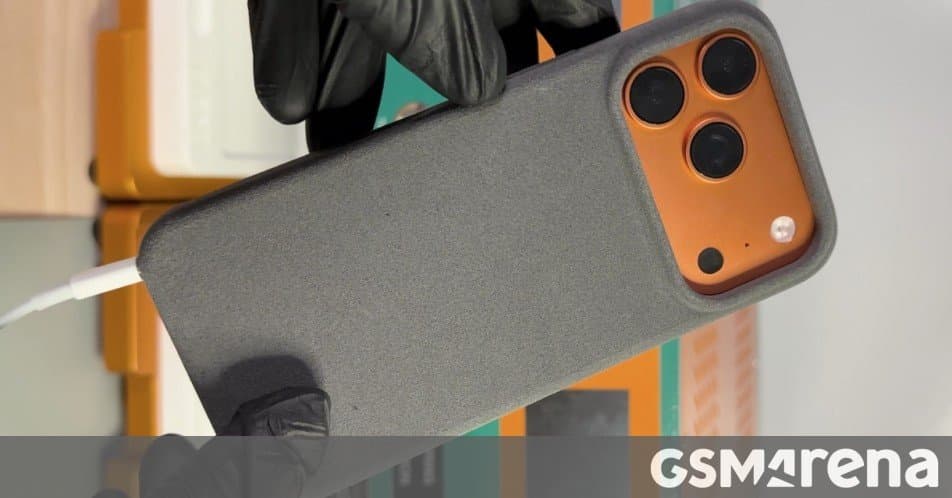
A hardware prototyping consultant has created a case that brings back the Lightning port to the latest iPhone 17 Pro, allowing users to repurpose their existing Lightning cables.
Apple's transition to USB-C has left many users with drawers full of Lightning cables, but one hardware enthusiast has found a way to give these accessories new life. Ken Pillonel, a freelance hardware prototyping consultant, has developed a case that adds a Lightning port to the iPhone 17 Pro, Apple's latest flagship device that exclusively features USB-C connectivity.
Pillonel's creation is particularly noteworthy given Apple's history with port changes. The company has systematically removed ports from its devices over the years, first eliminating the 3.5mm headphone jack and then transitioning from Lightning to USB-C. While many users have adapted to these changes, there remains a significant number of Lightning accessories and cables in circulation.
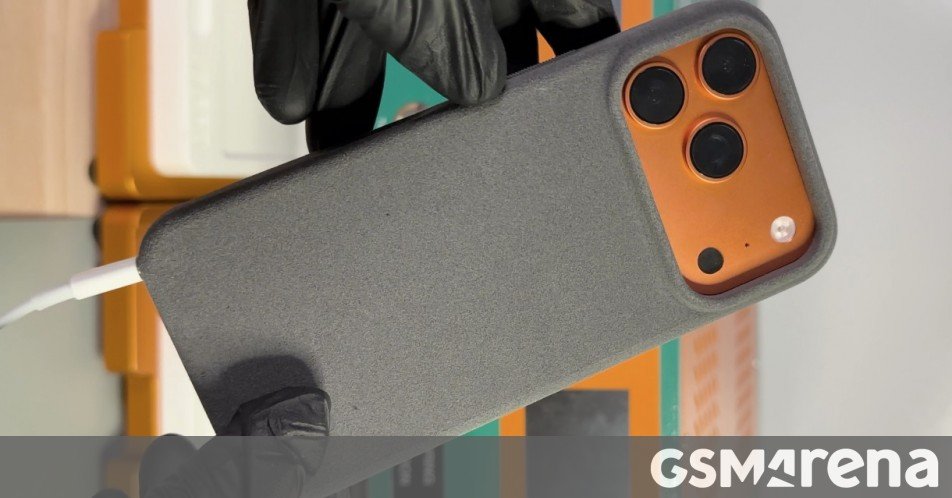
The case itself represents impressive engineering. Pillonel managed to pack a Lightning-to-USB-C adapter into a compact form factor using custom printed circuit boards (PCBs). The entire assembly is housed in a 3D-printed case made from TPU (thermoplastic polyurethane), a flexible and durable material commonly used in phone cases.
What makes this project particularly interesting is Pillonel's background with Apple's port ecosystem. He's not new to this type of modification - in fact, he did the opposite five years ago by adding a USB-C port to an iPhone X through a hardware modification of the phone itself, rather than using a case. This earlier project gained significant attention and demonstrated the technical feasibility of such modifications.
Pillonel's work extends beyond just iPhone modifications. He's previously added USB-C ports to AirPods before Apple officially made the switch, and he's even worked on making AirPods Pro cases more repairable. His projects often walk the line between practical solutions and technical demonstrations, showcasing what's possible with modern hardware hacking techniques.
The CAD model for the case reveals the careful consideration that went into the design. The Lightning port is positioned to maintain the iPhone's sleek profile while ensuring easy access for charging and data transfer. The compact nature of the solution is particularly impressive, as it manages to add functionality without significantly increasing the device's footprint.
For users who have invested heavily in Lightning accessories, this case offers a practical solution. Rather than replacing all existing cables and accessories, iPhone 17 Pro owners can continue using their Lightning ecosystem while enjoying the benefits of Apple's latest hardware. This is especially relevant for businesses, schools, or individuals with extensive Lightning accessory collections.
Pillonel's work also highlights the ongoing tension between proprietary and universal standards in the tech industry. While Apple has moved to USB-C for regulatory compliance and industry standardization, there remains a dedicated user base that prefers the Lightning ecosystem. This case serves as a bridge between these two worlds, at least until the next major port transition.
The technical achievement here shouldn't be understated. Integrating a Lightning port into a USB-C-only device requires sophisticated electronics to handle the protocol conversion. The custom PCBs likely include logic to manage the different power delivery and data transfer protocols between the two standards.
For those interested in similar modifications or practical solutions, Pillonel sells cases that add USB-C ports to older iPhones from the 13 and 14 series, which were the last models before Apple's official switch to USB-C. These cases represent a more practical application of the technology, allowing users to upgrade their charging capabilities without replacing their entire device ecosystem.
This project serves as a reminder of the vibrant hardware hacking community that continues to push the boundaries of what's possible with consumer electronics. While Apple designs its products with specific use cases in mind, enthusiasts like Pillonel demonstrate that there's often room for alternative approaches and solutions that better serve individual user needs.
The iPhone 17 Pro continues to be available through various retailers, with prices starting at €1,082.79 for the 256GB model and €1,315.59 for the 512GB version. Whether users choose to embrace the USB-C future or opt for solutions like Pillonel's Lightning case, the ongoing evolution of mobile device connectivity continues to generate interesting innovations and discussions within the tech community.
Comments
Please log in or register to join the discussion