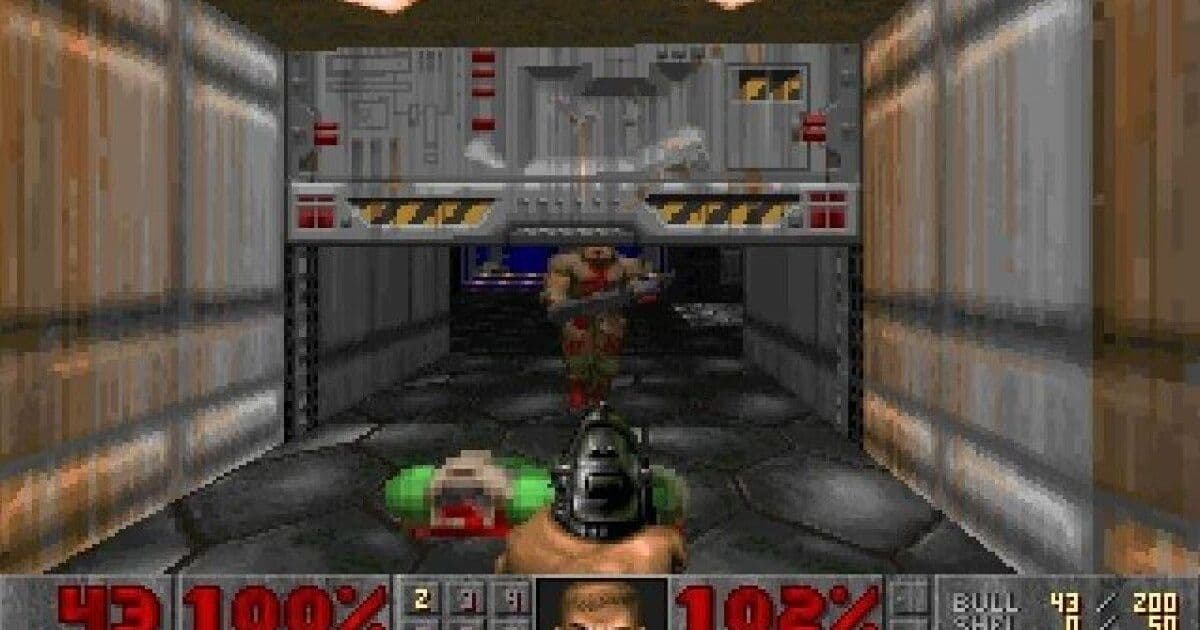
The iconic 1993 Doom soundtrack by Bobby Prince has been officially recognized by the U.S. Library of Congress as a culturally significant recording, joining other video‑game scores in the National Recording Registry.
Library of Congress Adds Doom Soundtrack to National Recording Registry
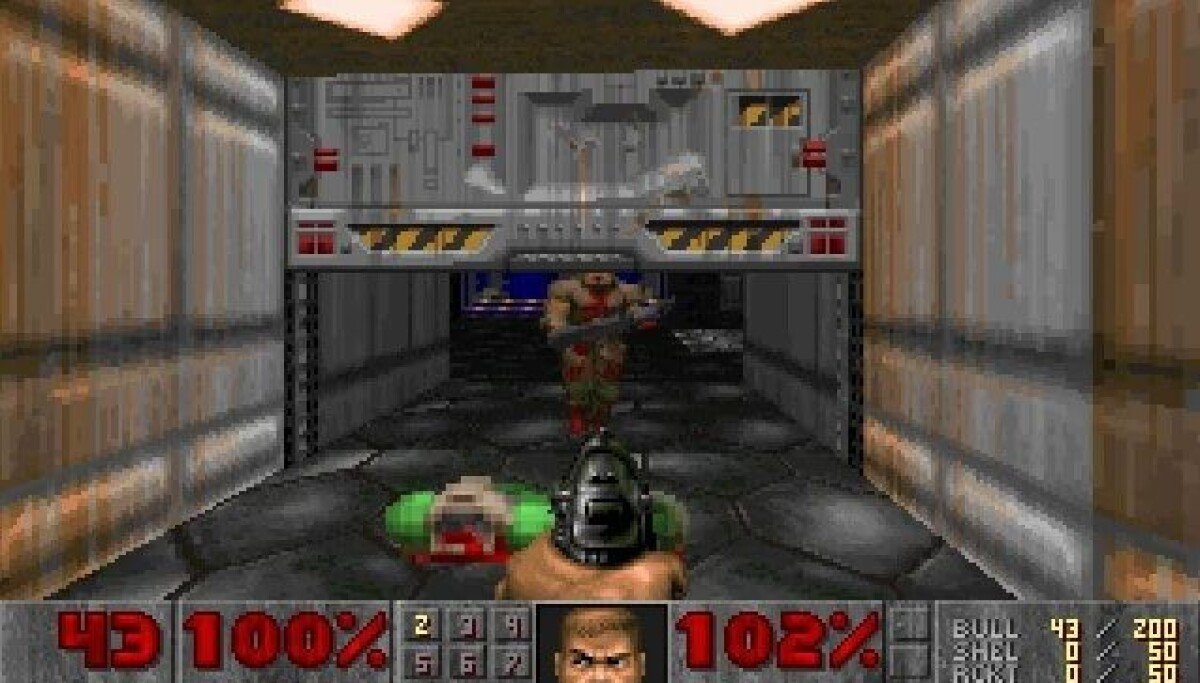
On 18 May 2026 the Library of Congress announced that Bobby Prince’s 1993 Doom soundtrack is now part of the National Recording Registry. The Registry, which preserves recordings that are at least ten years old and deemed "culturally, historically, or aesthetically significant," selected the soundtrack for its influence on video‑game music and its role in the early 1990s gaming boom.
What the Registry Requires
The National Recording Registry operates under the National Recording Preservation Act of 2000. To qualify, a work must:
- Be at least ten years old.
- Demonstrate cultural, historical, or aesthetic significance.
- Be selected by the Librarian of Congress, who consults the National Recording Preservation Board.
The addition of the Doom soundtrack satisfies each criterion. The music’s aggressive, MIDI‑driven composition helped define the sound of first‑person shooters and inspired a generation of game composers.
Compliance Timeline for Rights Holders
When a recording is added to the Registry, the Library of Congress notifies the rights holder(s). The following timeline applies:
- 30 days – Rights holder must confirm ownership and provide any missing metadata (e.g., publishing dates, composer credits).
- 90 days – The holder must supply a high‑resolution master copy for archival storage. Acceptable formats are 24‑bit/96 kHz WAV or lossless FLAC, as defined in the National Audio Preservation Standards (see the official guidelines).
- 180 days – Any required licensing or public‑domain declarations must be filed with the Library of Congress to clarify future use rights.
Failure to meet these deadlines can result in the recording being placed under a restricted access status, limiting public streaming or research use until compliance is achieved.
Why the Doom Soundtrack Matters
The LOC’s statement highlights several technical aspects that set the Doom score apart:
- MIDI‑centric design – Prince used the MIDI protocol to layer music and sound effects on separate channels, ensuring that in‑game actions remained audible.
- Genre cross‑pollination – The composer drew from contemporary metal releases (Alice in Chains, Pantera, Metallica) that were loaned by designer John Romero, creating a hybrid of heavy‑metal riffing and electronic sequencing.
- Legacy influence – The soundtrack has been sampled, remixed, and referenced in modern titles, establishing a template for adaptive game music.
Context Within the Registry
The Doom soundtrack is the third video‑game score to be preserved, following Koji Kondo’s Super Mario theme (2023) and Daniel Rosenfeld’s Minecraft: Volume Alpha (2025). Other 2026 inductees include:
- Taylor Swift – 1989 (2014)
- Beyoncé – Single Ladies (2008)
- Weezer – The Blue Album (1994)
These selections illustrate the Registry’s expanding definition of “recording” to encompass interactive media.
What Developers Should Track
For studios and composers, the inclusion signals that game audio can achieve the same archival status as traditional music. Companies should:
- Maintain detailed metadata for all audio assets.
- Archive master files in lossless formats.
- Monitor the Library of Congress’s annual call for nominations (usually announced in February) to anticipate future eligibility.
By treating game soundtracks as cultural artifacts, the industry can ensure long‑term preservation and clearer rights management.
For the full LOC announcement, see the Library of Congress press release.
Comments
Please log in or register to join the discussion