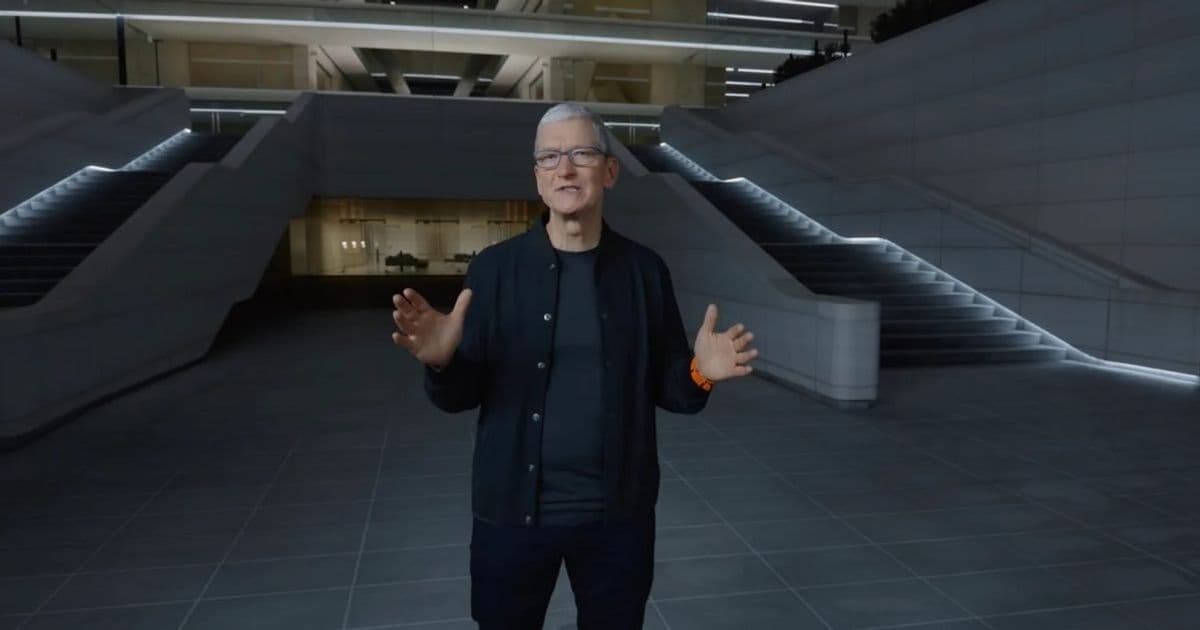
Apple CEO Tim Cook sent an internal memo to employees addressing the Minneapolis shootings and recent ICE-related killings, calling for 'deescalation' while maintaining his relationship with President Trump.
Following intense criticism for attending a VIP White House screening of the 'Melania' documentary just hours after the killing of Alex Pretti, Apple CEO Tim Cook has sent an internal memo to Apple employees addressing the situation in Minneapolis.
In the letter, Cook expressed his heartbreak over "the events in Minneapolis," offering prayers and sympathies to affected families and communities. He called for "deescalation" and emphasized that "America is strongest when we live up to our highest ideals, when we treat everyone with dignity and respect no matter who they are or where they're from, and when we embrace our shared humanity."
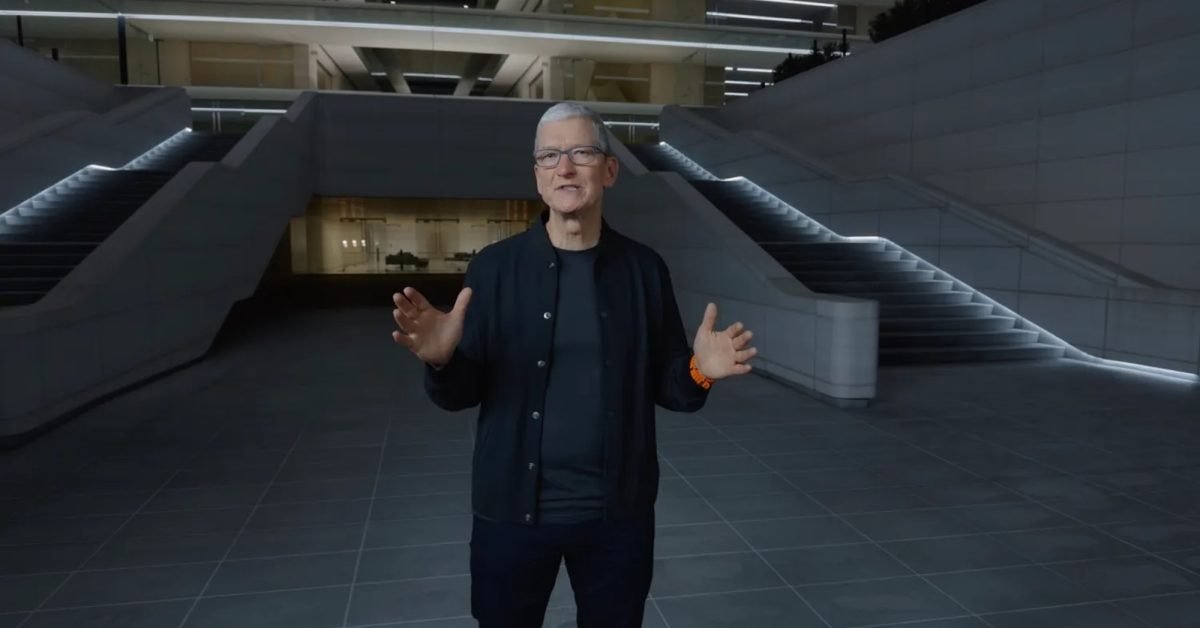
Cook's remarks come amid growing scrutiny of his relationship with the Trump administration. Since Donald Trump's re-election, Cook has become a frequent presence at U.S. government events, from White House policy announcements to Cabinet-level briefings. The President has repeatedly praised Cook in speeches, highlighting Apple's investments in American manufacturing.
The timing of Cook's White House appearance has drawn particular criticism. Just hours after ICE agents shot and killed Alex Pretti, Cook attended a VIP event for a preview of the 'Melania' documentary. This juxtaposition has reignited debates about corporate leaders' relationships with political figures during times of national tension.
In his memo, Cook mentioned having "a good conversation" with President Trump during the week, where he "shared his views" but did not elaborate on the specifics of their discussion. This careful language reflects the delicate balance Cook must maintain as both a corporate leader and a public figure engaged with government officials.
Cook's approach mirrors that of other tech CEOs who have commented on recent events. OpenAI's Sam Altman stated that "ICE is going too far," while Anthropic's Dario Amodei emphasized "the importance of preserving democratic values." Like Cook, these leaders have attempted to address concerns without directly criticizing the U.S. government.
The internal memo represents Cook's first public response to the Minneapolis situation, coming after days of silence on the matter. His decision to address employees directly suggests an awareness of the internal tensions that such events can create within large organizations.
Apple has historically positioned itself as a company that advocates for human rights and dignity. Cook's emphasis on these values in his memo aligns with the company's public stance, even as it navigates complex political relationships at the highest levels of government.
The controversy highlights the challenges faced by major corporate leaders in an increasingly polarized political environment. As Apple continues to expand its presence in the United States and maintain relationships with various government entities, executives like Cook must carefully balance business interests with social responsibility.
Cook's memo concludes by acknowledging the emotional difficulty of the situation for many employees and expressing pride in how Apple teams care about the world beyond the company's walls. He describes this empathy as "one of Apple's greatest strengths" and something that all employees cherish.
This internal communication strategy allows Cook to address sensitive issues while maintaining Apple's relationships with government officials. The approach of expressing sympathy and calling for unity without direct criticism has become a common tactic among corporate leaders navigating politically charged situations.
The timing of this memo, following days of criticism and during a period of heightened national tension, suggests that Cook felt compelled to respond to both employee concerns and public scrutiny. Whether this response will satisfy critics of his White House appearance remains to be seen, but it does represent an attempt to address the situation directly with Apple's workforce.
As the situation in Minneapolis continues to evolve and debates about ICE's role in immigration enforcement persist, corporate leaders like Cook will likely face ongoing pressure to clarify their positions on these complex issues. The balance between maintaining business relationships and addressing social concerns remains one of the most challenging aspects of modern corporate leadership.
Comments
Please log in or register to join the discussion