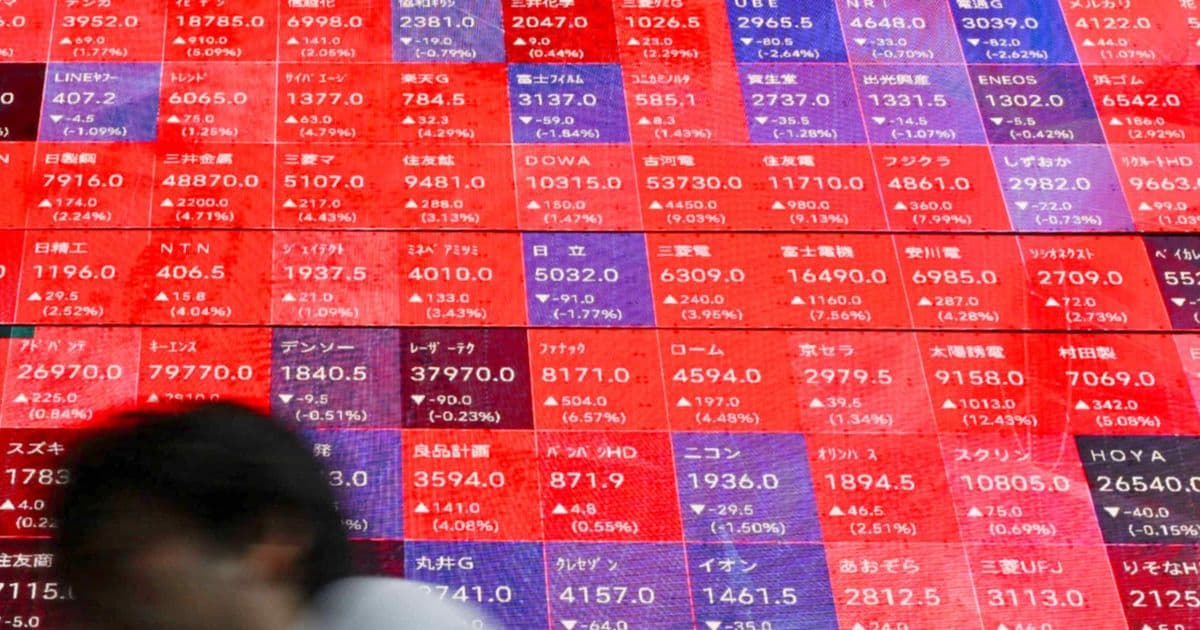
Average daily turnover on the TSE Prime segment has surged 100% over the past 12 months, driven by a wave of foreign institutional buying and a spike in short‑term trades from retail investors. The liquidity boost is reshaping price dynamics, tightening spreads and prompting a reassessment of market‑making strategies.
Tokyo Stock Exchange Prime Market Doubles Daily Trading Value in One Year
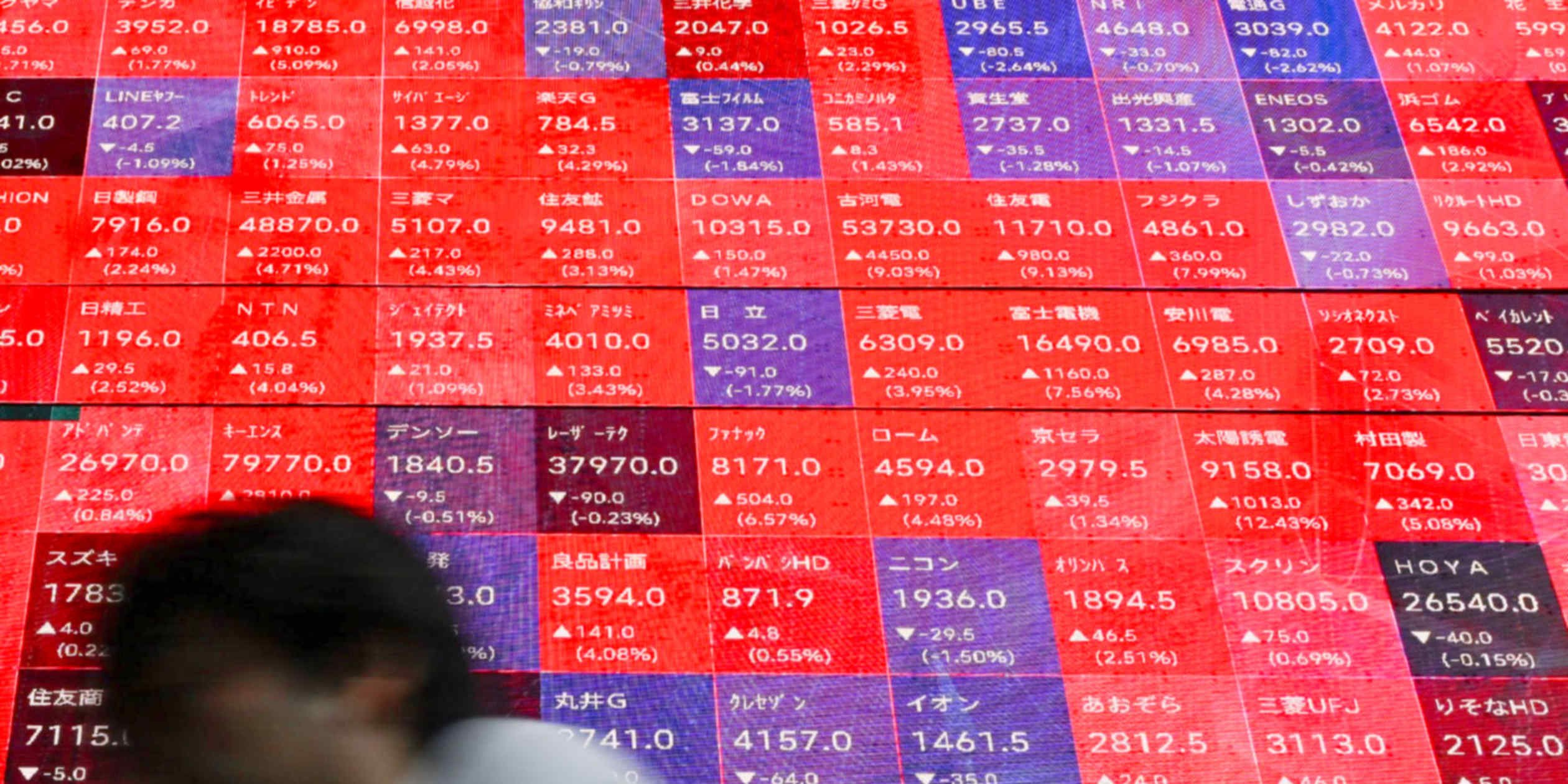
The Tokyo Stock Exchange’s Prime market – the venue for Japan’s largest blue‑chip equities – recorded an average daily trading value of ¥5.2 trillion in May 2026, exactly double the ¥2.6 trillion average seen in May 2025. The jump reflects a confluence of two distinct capital streams:
- Foreign institutional inflows – net purchases by overseas investors rose to ¥1.1 trillion per month, up 68 % from a year earlier, according to data from the Japan Securities Dealers Association (JSDA). The surge is linked to renewed confidence in Japan’s corporate governance reforms and the re‑opening of the country’s “Special Qualified Foreign Investor” (SQFI) program, which now allows higher leverage for non‑resident funds.
- Retail short‑term activity – the number of trades executed by investors with holdings under ¥5 million jumped 42 % YoY, while the average holding period for these trades fell from 6.3 days to 3.9 days. Online brokerages such as Rakuten Securities and SBI Securities reported record‑high daily order volumes, driven by algorithm‑assisted “day‑trade” strategies that target volatility spikes in the Nikkei 225 and TOPIX.
Market Context
Liquidity and Price Impact
The doubling of daily turnover has compressed bid‑ask spreads on the most liquid stocks. For example, the spread on Toyota Motor Corp (7203) narrowed from an average of 3.2 yen in May 2025 to 1.8 yen in May 2026, a 44 % reduction that benefits both market makers and end‑users. Higher turnover also lowered the market impact cost of large block trades, making it cheaper for pension funds and sovereign wealth funds to acquire sizable positions without moving the price dramatically.
Yield Curve and Currency Effects
The liquidity surge coincided with a flattening of Japan’s yield curve: the 10‑year JGB yield rose to 0.78 % from 0.55 % a year ago, while the 2‑year remained near 0.15 %. The modest rise in yields made Japanese equities relatively more attractive on a risk‑adjusted basis, especially for investors seeking yield‑enhanced exposure through dividend‑heavy stocks. At the same time, the yen weakened to ¥155 per US$ – its lowest level since 1998 – boosting the dollar‑denominated value of Japanese export‑oriented firms and further encouraging foreign buying.
What It Means for Stakeholders
Institutional Investors
The liquidity lift reduces execution risk for large‑cap investors looking to build or unwind positions. Asset managers such as BlackRock and Fidelity are now able to allocate a higher share of their Japan mandates to the Prime market, citing the tighter spreads and lower transaction costs as a catalyst for higher net returns. Moreover, the increased foreign presence raises the likelihood of activist campaigns focused on capital efficiency, board composition and ESG disclosures.
Retail Traders
For individual investors, the surge in short‑term trading activity signals a shift toward a more speculative market environment. While tighter spreads lower entry costs, the reduced average holding period suggests heightened volatility. Retail platforms are responding by expanding margin‑trading facilities and offering real‑time risk‑management tools, but regulators have warned that excessive leverage could amplify market swings during periods of macro‑economic stress.
Market Makers and Exchanges
The TSE’s market‑making units are adjusting their inventory models to accommodate the higher turnover. Automated quoting systems are being calibrated to reflect the faster order‑flow, and the exchange is piloting a “liquidity rebate” scheme that rewards participants who provide depth during peak trading windows. Early data indicate that the rebate could increase displayed depth by up to 15 % for the most actively traded securities.
Strategic Outlook
If the current trajectory continues, the Prime market could see daily trading values approaching ¥6 trillion by the end of 2027, assuming foreign net inflows maintain their current pace and retail participation remains robust. Companies listed on the Prime segment are likely to experience lower cost of capital, encouraging further share buybacks and dividend hikes – a trend already evident in the recent announcements from Sony Group and Mitsubishi UFJ Financial Group.
However, the upside is not without risks. A sudden reversal in foreign sentiment, perhaps triggered by a tightening of US monetary policy or a sharp yen appreciation, could compress liquidity quickly. Likewise, heightened retail speculation may increase the probability of flash crashes, prompting the Financial Services Agency to consider tighter margin limits.
Bottom line: The doubling of daily trading value on the TSE Prime market reflects a fundamental rebalancing of capital flows toward Japan. For investors, the new environment offers lower transaction costs and deeper markets, but it also demands vigilant risk management as the mix of participants continues to evolve.
Comments
Please log in or register to join the discussion