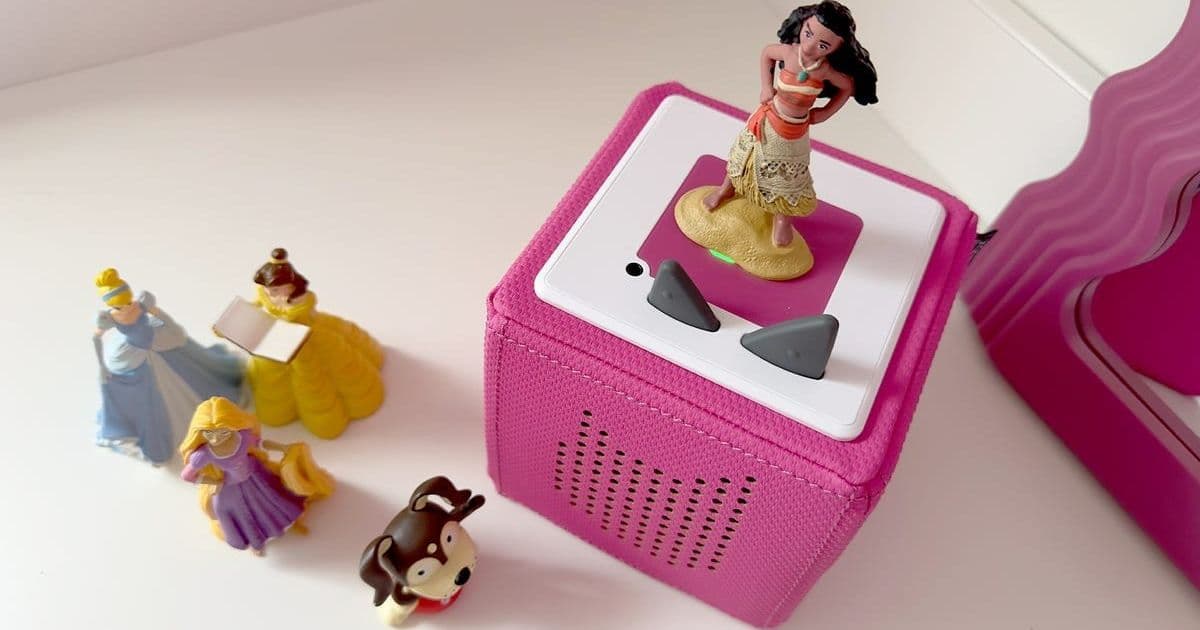
The viral Toniebox audio player leverages NFC technology and thoughtful physical interaction design to deliver screen-free digital content to young children. Its runaway success highlights a growing demand for intentional tech that prioritizes simplicity, safety, and tactile engagement over screens.
For years, the default for children's digital entertainment centered on screens – tablets brimming with apps and videos. Yet, the unexpected viral success of the Toniebox, a soft-fabric-covered audio player, reveals a significant gap in the market and a counter-trend tech innovators are taking note of. It’s not just a toy; it’s a case study in designing technology that respects developmental needs while leveraging modern capabilities like NFC (Near Field Communication) entirely offline.
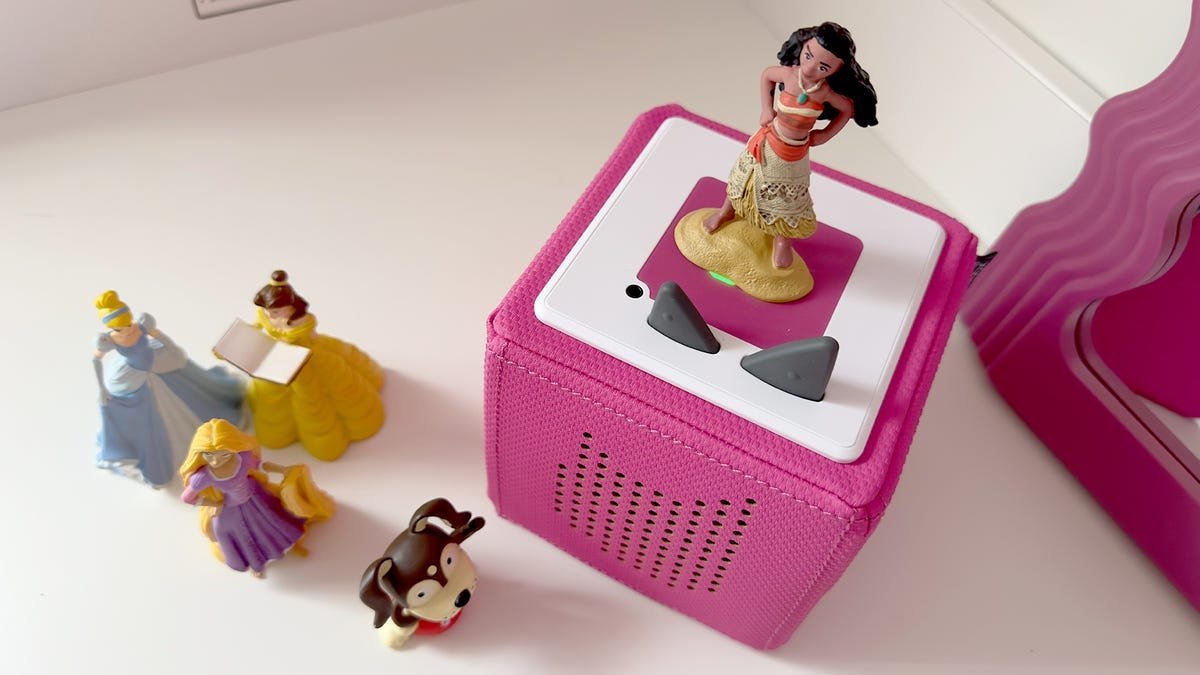
At its core, the Toniebox is deceptively simple. Children place small, colorful figurines (Tonies) onto the top of the padded cube. An NFC chip embedded within each Tonie instantly triggers the playback of associated audio content – stories, songs, or educational material. Removing the figure pauses playback. Physical interaction replaces touchscreens: tapping the box's sides skips tracks, while tilting it fast-forwards or rewinds. Volume is controlled by pinching the box's iconic 'cat ears'.
'It’s a fantastic and interactive way for kids to enjoy screen-free entertainment without access to questionable content,' notes the ZDNET review, highlighting a key parental concern the Toniebox addresses effectively.
This design philosophy extends beyond basic playback. The Creative Tonie ($15) is a blank figure parents can program via the companion app, uploading up to 90 minutes of custom audio. This could be a grandparent's recorded stories, a parent reading a favorite book, or curated music playlists – offering a deeply personalized, yet still screen-free, experience. Content is downloaded via the app initially but stored locally on the device, enabling completely offline operation for up to 7 hours on a charge – perfect for travel or areas with poor connectivity.
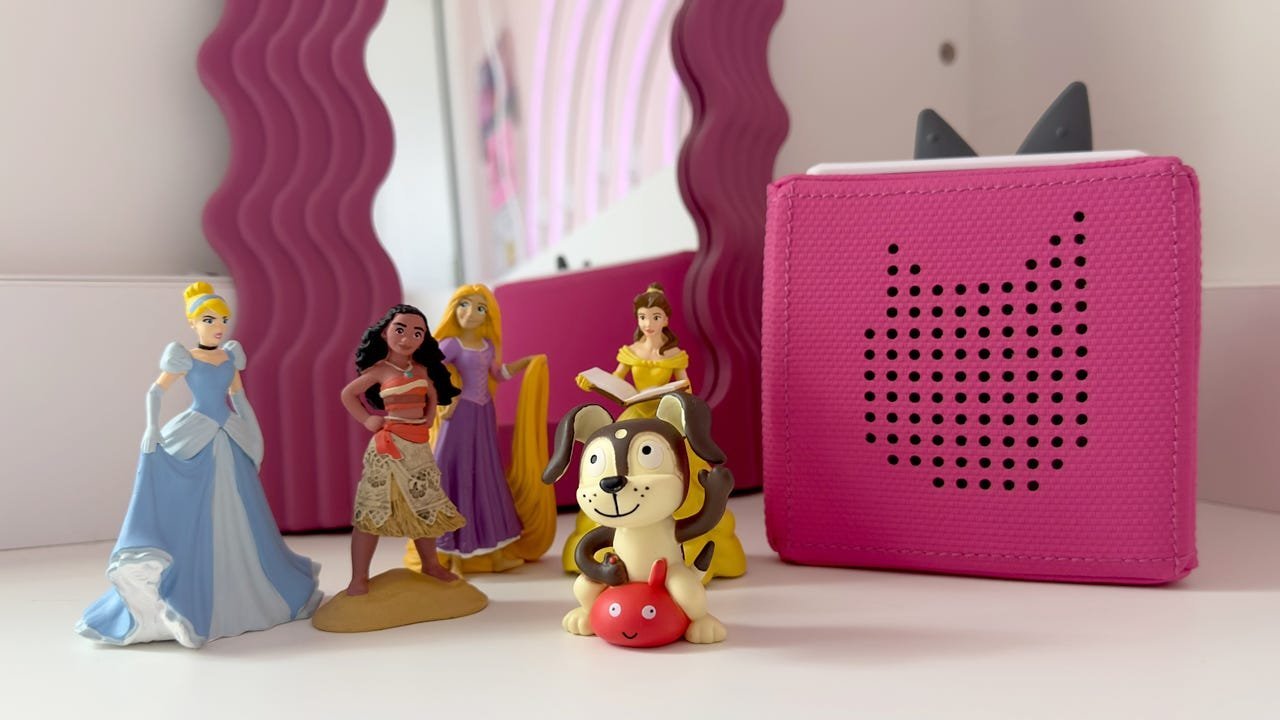 Toniebox Audio Player Starter Set (Credit: Maria Diaz/ZDNET)
The implications for tech design are clear:
- Physicality Matters: The tangible interaction with Tonies provides crucial sensory feedback and a sense of control for young children, contrasting sharply with the abstract swiping on glass.
- Offline-First is a Feature: In an always-connected world, a device prioritizing local storage and offline use offers reliability and reduces dependency on networks – a significant advantage for a child's primary entertainment device.
- Safety Through Simplicity: The closed ecosystem of approved Tonies (or parent-uploaded content) eliminates the risks of uncontrolled internet access and algorithmic content feeds prevalent on tablets.
- NFC as an Enabler: The seamless, intuitive content switching via NFC figurines demonstrates how this mature technology can create magical user experiences when applied thoughtfully, far beyond just payments.
While positioned as children's entertainment, the Toniebox’s success underscores a broader principle for developers and product designers: technology doesn't always need more pixels or higher bandwidth. Sometimes, the most impactful innovation lies in removing complexity, embracing physicality, and designing interactions that feel natural, safe, and genuinely delightful for the end-user – especially when that user is a child. Its popularity isn't just a fad; it's a signal that a segment of consumers, and their children, crave digital experiences that are intentionally constrained, tactile, and screen-optional. As the backlash against constant digital saturation grows, expect more devices embracing similar philosophies of intentional disconnection and physical engagement.
Comments
Please log in or register to join the discussion