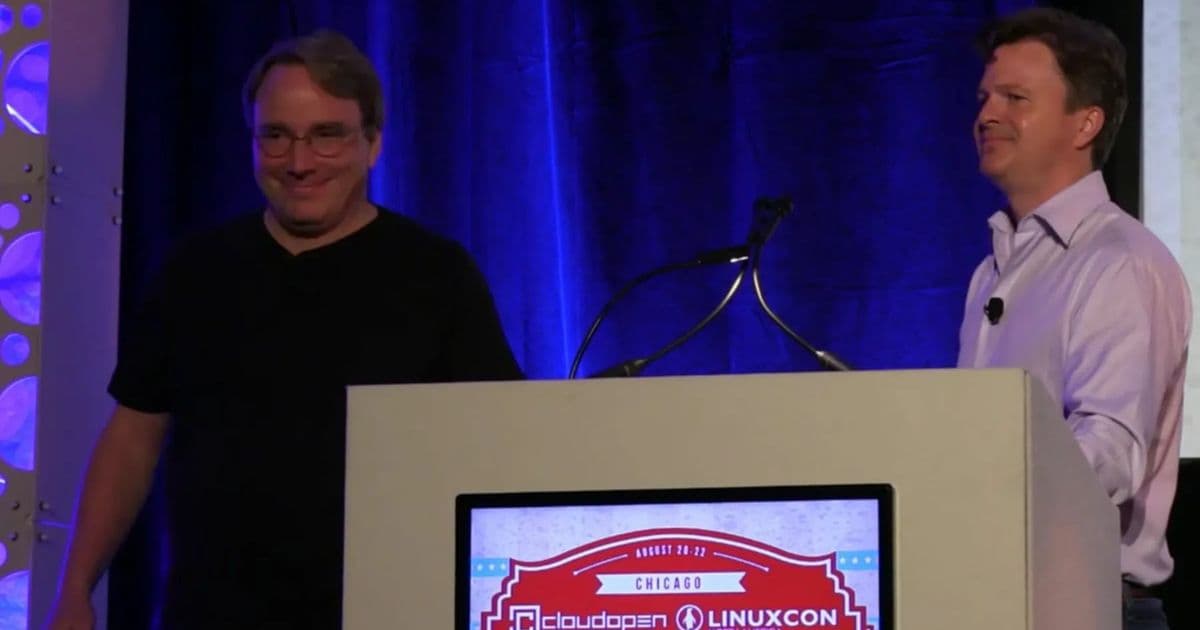
Linus Torvalds expresses frustration with the flood of AI-generated security bug reports plaguing the Linux kernel development process, emphasizing that while AI tools can be beneficial, they should be used productively rather than creating unnecessary work for kernel maintainers.
Introduction
The rapid adoption of AI and large language models (LLMs) in software development has brought both opportunities and challenges to the open-source world. Nowhere is this tension more evident than in the Linux kernel development community, where Linux creator Linus Torvalds has recently voiced strong opinions about the impact of AI-generated security reports.
The AI Security Report Deluge
With the release of Linux 7.1-rc4, Torvalds highlighted a growing problem: the "continued flood of AI reports has basically made the security list almost entirely unmanageable." This deluge has created several issues:
Massive Duplication: Different users are finding the same vulnerabilities using the same AI tools, leading to repeated reports of the same issues.
Burden on Maintainers: Kernel maintainers are spending excessive time "forwarding things to the right people or saying 'that was already fixed a week/month ago' and pointing to the public discussion."
Noise Over Signal: Many reports focus on ancient, ill-maintained drivers or scenarios that don't impact current users in 2026, creating what Torvalds calls "entirely pointless churn."
Torvalds' Stance on AI in Development
This isn't the first time Torvalds has addressed AI in the kernel development context. Previously, he made the provocative statement that "The AI Slop Issue Is NOT Going To Be Solved With Documentation," acknowledging that simply providing more guidance wouldn't fix the underlying problems.
This perspective led to the development of new documentation focused on responsible AI use and what constitutes a meaningful security report in the context of Linux kernel development. While Torvalds notes that "the documentation may be a bit less blunt than I am," the core message aligns with his direct approach.
The Secret Bug Fallacy
One of Torvalds' key insights is that "AI detected bugs are pretty much by definition not secret." This challenges a common assumption in security reporting—that vulnerabilities should initially be handled privately. With AI tools increasingly scanning codebases, the concept of "secret" vulnerabilities becomes problematic because:
- Multiple parties are likely to discover the same issue simultaneously
- Private reporting lists become ineffective when the same vulnerability is reported multiple times
- The duplication problem worsens when reporters can't see each other's work
Productive AI Use in Kernel Development
Torvalds doesn't reject AI tools outright; instead, he advocates for their productive application. He emphasizes that "AI tools are great, but only if they actually help, rather than cause unnecessary pain and pointless make-believe work."
For developers using AI tools in kernel development, Torvalds offers specific guidance:
Read the Documentation: Before reporting, understand the context and relevance of potential issues.
Create Patches: Don't just report problems—contribute solutions. "If you actually want to add value, read the documentation, create a patch too."
Add Real Value: Build upon what the AI discovers rather than simply forwarding its output. "Add some real value on top of what the AI did."
Avoid Drive-By Reporting: Ensure you understand the issues you're reporting rather than blindly forwarding AI-generated content. "Don't be the drive-by 'send a random report with no real understanding' kind of person."
The Broader Implications
Torvalds' comments reflect a broader challenge in the software development community as AI tools become more prevalent. The tension between leveraging AI capabilities and maintaining quality, thoughtful development practices is becoming increasingly apparent.
This situation highlights several important considerations:
Quality Over Quantity: AI can generate reports quickly, but without human understanding and context, these reports often lack value.
The Human Element: AI should augment human expertise, not replace it. The most valuable contributions combine AI efficiency with human judgment.
Community Coordination: As more developers adopt AI tools, establishing clear guidelines and expectations becomes essential to prevent duplication and wasted effort.
Recommendations for Developers
Based on Torvalds' perspective and the evolving documentation, developers using AI tools in Linux kernel development should consider the following approach:
Verify Before Reporting: Use AI to identify potential issues, but verify their relevance and impact before reporting.
Conduct Research: Understand the history of the code, previous fixes, and current maintenance status before submitting reports.
Provide Context: When reporting issues, include relevant context about why they matter and how they affect current users.
Submit Solutions: Whenever possible, accompany reports with suggested fixes or patches that demonstrate understanding of the problem.
Check Existing Reports: Before submitting new reports, search existing databases to avoid duplication.
The Path Forward
The Linux kernel community's experience with AI-generated reports offers valuable lessons for the broader software development community. As AI tools become more integrated into development workflows, establishing norms and expectations for their productive use will be essential.
The new documentation on responsible AI use represents a step in this direction, providing guidance while allowing for the community to evolve its practices. Torvalds' blunt approach serves as a useful reminder that while AI can be powerful, it must be applied thoughtfully to truly benefit the development process.
 Linus Torvalds, Linux kernel creator, has been vocal about the challenges AI-generated bug reports present to kernel maintainers.
Conclusion
Linus Torvalds' comments on AI tools in Linux kernel development reflect a pragmatic approach to technology adoption. While acknowledging the potential benefits of AI, he emphasizes the importance of using these tools in ways that genuinely contribute to the development process rather than creating additional work.
The kernel community's experience with AI-generated security reports highlights the need for balanced integration of new technologies into established workflows. As AI continues to transform software development, the lessons learned in the Linux kernel community may provide valuable guidance for other projects facing similar challenges.
For developers, the message is clear: AI tools can be powerful allies, but their value comes not from their ability to generate reports quickly, but from how those reports are enhanced with human understanding, context, and actionable solutions.
Comments
Please log in or register to join the discussion