Toyama prefecture is turning its abundant kombu kelp into a cultural tourism asset, pairing culinary experiences with heritage sites to attract foreign travelers. The strategy aims to offset a 12% dip in inbound tourism last year and could add ¥45 billion in visitor spending by 2028.
Toyama’s Kombu‑Centric Tourism Push
Toyama prefecture, perched on the Sea of Japan, is betting on its world‑renowned kombu kelp to revive foreign visitor numbers that fell 12 % in 2025, according to the Japan Tourism Agency. The region’s kombu harvest—averaging 1.9 million tonnes annually—has long underpinned local food industries, but officials now see it as a brand‑building platform that can draw diners, food‑tourists, and cultural explorers alike.
Market Context: Visitor Trends and Competitive Pressures
Inbound tourism to Japan is projected to reach 33 million arrivals in 2026, a modest 4 % rise from 2025, but growth is uneven across prefectures. While Tokyo and Osaka see double‑digit increases, smaller coastal regions like Toyama lag behind.
Spending per visitor in the Hokuriku region (which includes Toyama) sits at ¥115,000, roughly 15 % below the national average of ¥135,000. Higher‑value culinary experiences could narrow that gap.
Competing destinations such as Hokkaido’s seafood tours and Kyoto’s tea‑ceremony circuits already command premium pricing and strong international marketing budgets. Toyama’s kombu narrative offers a differentiated story that aligns with the growing global appetite for authentic, ingredient‑focused travel.
Strategic Initiatives
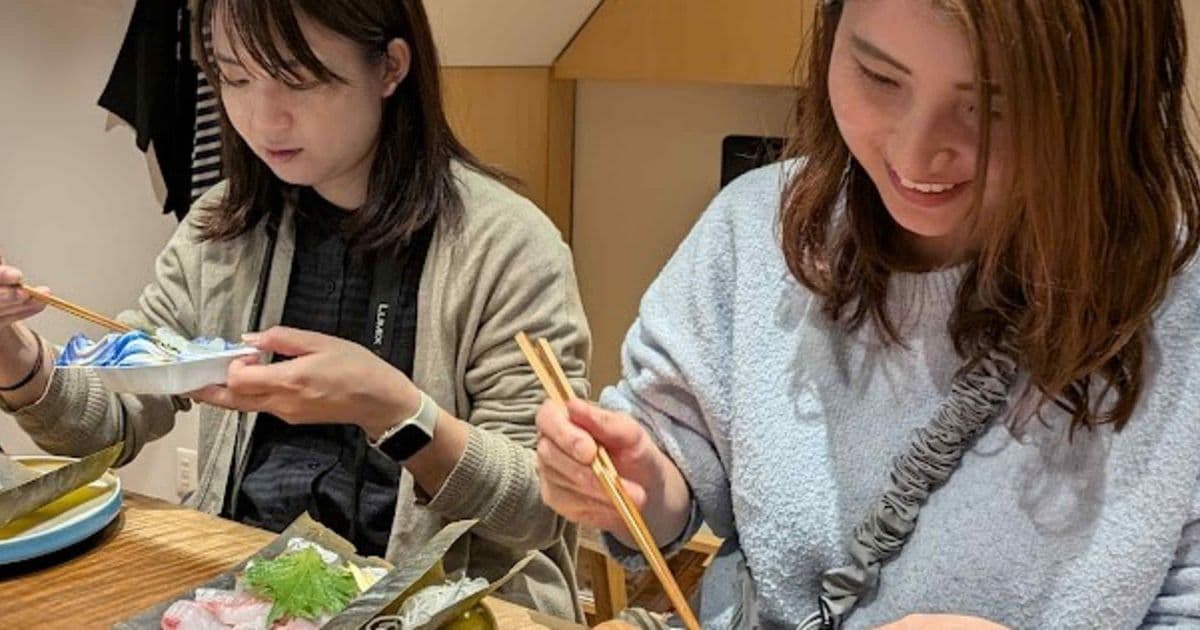
Kombu House Experience Hubs – New visitor centres in Takaoka and Uozu allow tourists to wrap sashimi in fresh kombu, learn the science of umami, and participate in hands‑on curing workshops. Ticket pricing is set at ¥2,800, with an estimated 150,000 participants in the first year, generating roughly ¥420 million in direct revenue.
Integrated Marketing Campaign – The prefectural government has allocated ¥1.2 billion for a multi‑channel push, including targeted ads on travel platforms in the United States, Europe, and Southeast Asia. The campaign emphasizes “Kombu Culture” as a unique culinary heritage, leveraging social‑media influencers who specialize in food travel.
Supply‑Chain Tie‑Ins – Local producers are offering premium‑grade kombu to high‑end restaurants in Tokyo and abroad. Export volumes rose 8 % in Q1 2026, reaching 165,000 tonnes, indicating that the product’s reputation is already translating into market demand.
Cross‑Promotion with Heritage Sites – Kombu tours are bundled with visits to the historic Takaoka Daibutsu and the Toyama Glass Art Museum, creating a “Taste‑and‑Tradition” package priced at ¥12,500 per person. Early bookings suggest a 30 % conversion rate from kombu‑only tickets to the bundled offering.
Financial Implications
- Projected incremental tourism revenue: ¥45 billion by 2028, based on an average spend increase of ¥5,000 per visitor and an additional 9 million visitor nights attributed to kombu‑related activities.
- Job creation: The kombu experience network is expected to generate 1,200 full‑time equivalent positions across hospitality, retail, and marketing sectors.
- Return on investment: With a total program outlay of ¥2.5 billion (including infrastructure, marketing, and staff training), the initiative forecasts a 3.6 × ROI over five years.
What It Means for the Region
Toyama’s kombu‑centric approach illustrates how a single, locally abundant resource can be reframed as a cultural asset with measurable economic impact. By coupling culinary education with heritage tourism, the prefecture not only diversifies its visitor base but also raises the perceived value of its food products on the global stage. If the projected visitor spend materializes, Toyama could become a template for other resource‑rich but tourism‑under‑served prefectures seeking to harness food heritage for sustainable growth.
Data sources: Japan Tourism Agency inbound statistics (2025‑2026), Toyama Prefectural Government budget releases, Ministry of Agriculture, Forestry and Fisheries kombu harvest reports.
Comments
Please log in or register to join the discussion