An analysis of TP-Link's affordable 2.5GbE PCIe adapter examining its design, performance, and value proposition against competing solutions.

Introduction
The TP-Link TX201 enters the competitive 2.5GbE adapter market as a $29 Realtek RTL8125-based solution. As network speeds advance beyond traditional 1GbE, these adapters provide cost-effective upgrades for systems with available PCIe slots. We acquired multiple units to evaluate TP-Link's implementation of this common chipset.
Hardware Overview

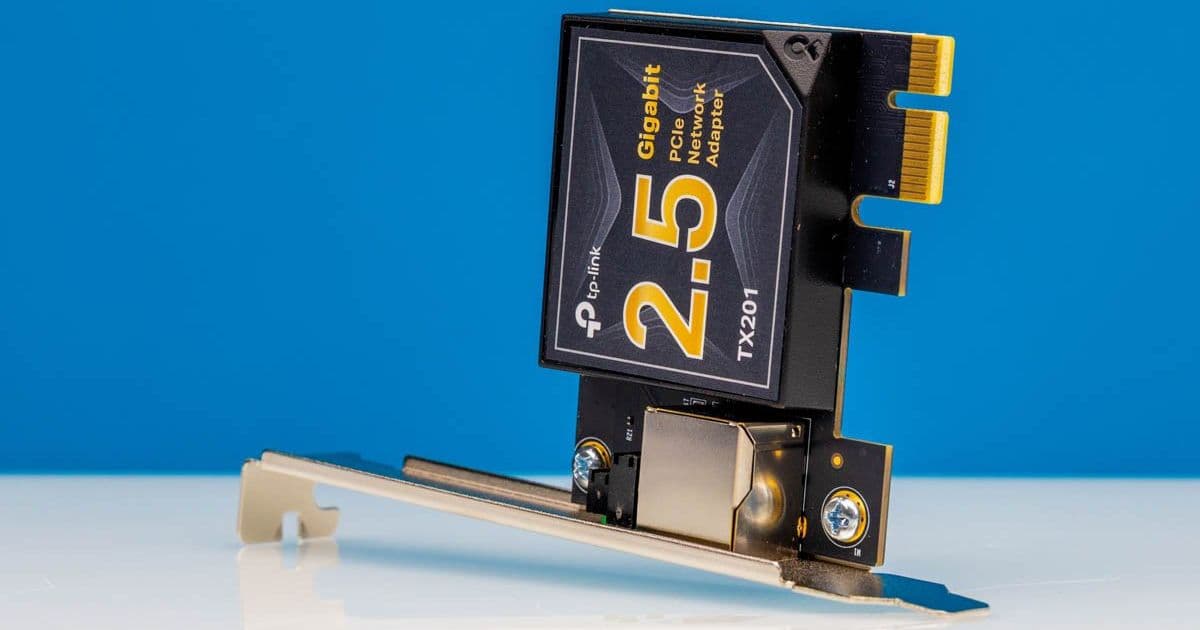
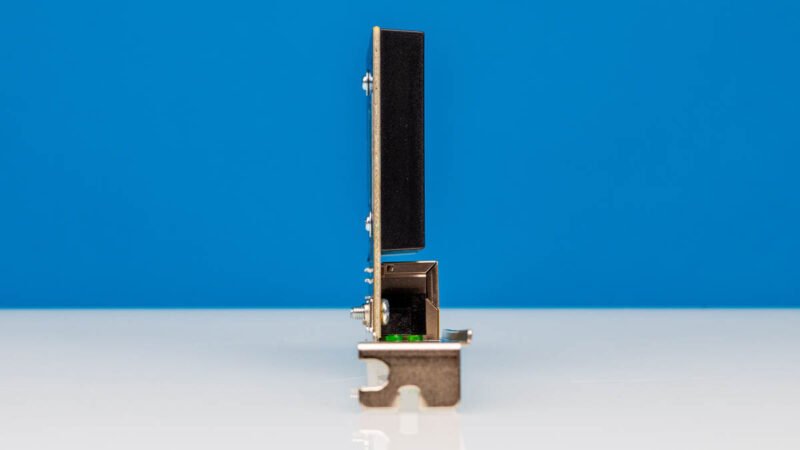
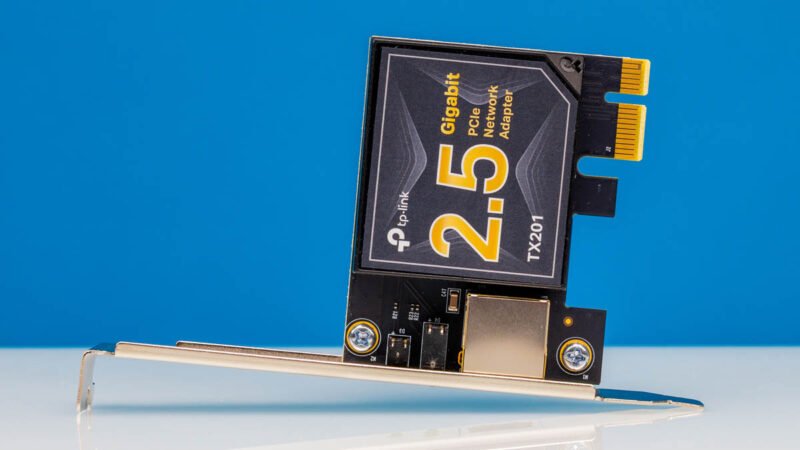
The TX201 features a minimalist design with a single RJ45 port and activity LEDs. Both full-height and low-profile brackets ship with the adapter, accommodating diverse chassis configurations. The board employs a metal shielding case that extends across most components, a design choice that distinguishes it from competitors.

Unlike many NICs with similar form factors, TP-Link's shielding solution is notably thicker and covers the network controller plus transformer circuitry. This approach potentially aids thermal dissipation but adds to the overall bulk. The PCIe Gen2.1 x1 interface provides adequate bandwidth for 2.5GbE operations without requiring larger slots.
Performance Testing
In iperf3 throughput tests, the TX201 delivered performance identical to other Realtek RTL8125-based adapters like the BrosTrend unit we previously reviewed. Sustained transfers consistently reached the full 2.5Gbps bandwidth without packet loss across multiple test runs. Power consumption remained in the low single-digit watt range during operation.
Comparative Analysis
When examining the TX201 against alternatives like the BrosTrend adapter, two key differences emerge:
- Component Shielding: TP-Link's more extensive metal casing covers both controller and transformer, whereas competitors often shield only the controller
- PCB Color: The TX201 uses a blue PCB versus the BrosTrend's black board
Functionally, both adapters operate identically, sharing the same Realtek chipset and core capabilities. The $5-$12 price premium for the TP-Link brand appears attributable to these cosmetic and minor design variations rather than performance differences.
Power and Compatibility
Power consumption measurements showed consistent low-power operation:
- Idle: 1.2W
- Full throughput: 3.8W
Driver compatibility spanned Windows 10/11 and Linux distributions with kernel versions 5.4+. The adapter worked reliably in both desktop and server environments during testing.
Conclusion
The TP-Link TX201 delivers competent 2.5GbE performance in a proven Realtek-based design. Its extensive component shielding offers potential durability advantages, though thermal testing showed no significant difference from unshielded competitors. At $29, it occupies the mid-range of the 2.5GbE adapter market.
For budget-conscious buyers, functionally identical alternatives exist at lower price points. However, the TP-Link brand recognition and potentially improved component protection may justify the premium for some users. Ultimately, this adapter represents a solid if unremarkable entry in the expanding 2.5GbE ecosystem.
{{IMAGE:10}}
TP-Link TX201 2.5GbE PCIe Network Adapter available at Amazon
Comments
Please log in or register to join the discussion