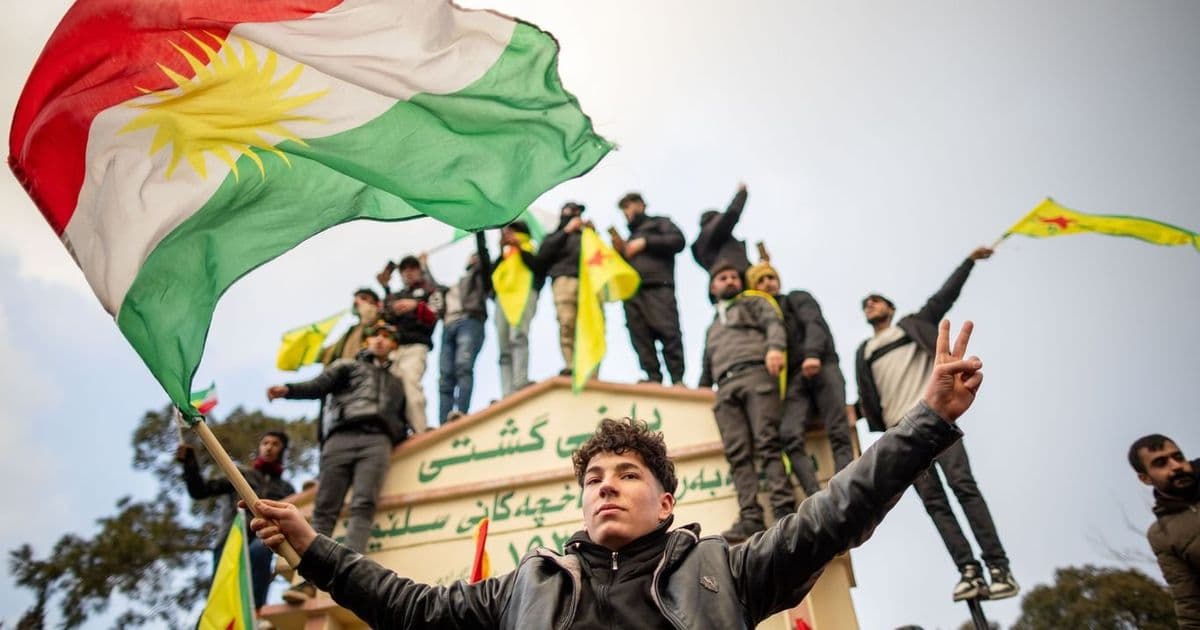
Kurdish groups in Iran, supported by Israeli and U.S. intelligence, may spearhead the next phase of regional conflict as tensions escalate.
The Kurdish population in Iran, long marginalized and persecuted by the regime in Tehran, could become the vanguard of a new phase in the escalating conflict between Iran and its adversaries, according to recent reports. Kurdish fighters, backed by intelligence support from Mossad and the CIA, are positioning themselves to play a pivotal role in the next stage of what many see as an inevitable confrontation.
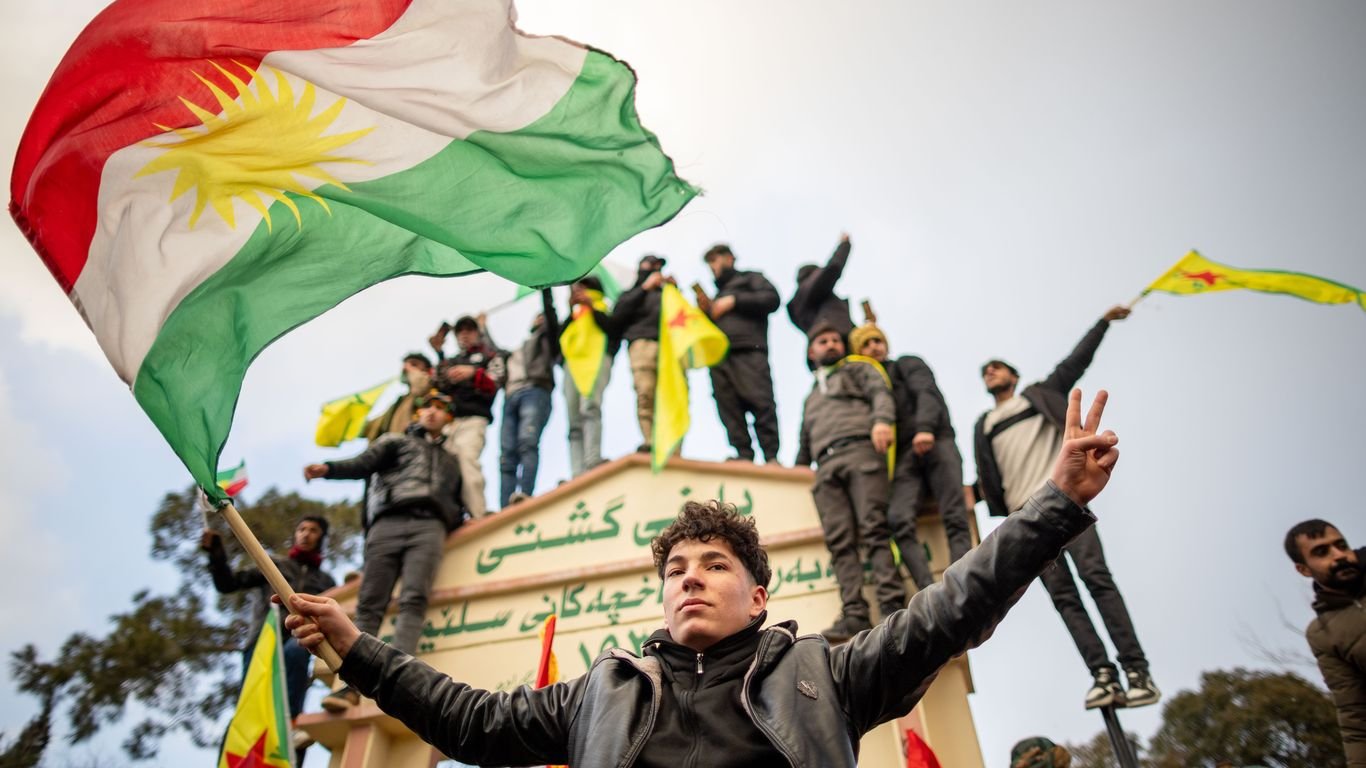
The Kurdish Strategic Position The Kurdish people, numbering approximately 10 million in Iran, represent one of the country's largest ethnic minorities. Concentrated primarily in the mountainous northwest regions bordering Iraq and Turkey, Iranian Kurds have maintained a distinct cultural identity despite decades of systematic oppression by the Islamic Republic. The semi-autonomous Kurdish region in northern Iraq has served as a sanctuary and operational base for Kurdish resistance movements targeting the Iranian regime.
Recent intelligence assessments suggest that Kurdish militant groups operating from Iraqi Kurdistan have received increased support from both Israeli and American intelligence services. This backing includes training, equipment, and strategic guidance, transforming these groups from primarily defensive organizations into more capable offensive forces.
Mossad and CIA Involvement Sources familiar with the intelligence operations indicate that Mossad has been particularly active in cultivating relationships with Kurdish separatist groups. The Israeli intelligence agency views Kurdish forces as a valuable asymmetric asset against Iran, capable of conducting operations deep inside Iranian territory while maintaining plausible deniability for their foreign backers.
The CIA's involvement appears more focused on intelligence gathering and strategic planning rather than direct operational support. American intelligence agencies have reportedly provided Kurdish groups with satellite imagery, communications equipment, and training in modern guerrilla warfare tactics.
Escalation Timeline Intelligence analysts tracking the situation note that the level of foreign support for Kurdish groups has increased significantly over the past 18 months. This escalation coincides with heightened tensions between Iran and both Israel and the United States, particularly following a series of attacks on Israeli and American targets that Tehran has been accused of orchestrating.
Military experts suggest that Kurdish forces could be utilized in several ways during a potential conflict:
- Sabotage operations targeting Iran's oil infrastructure
- Intelligence gathering on Iranian military movements
- Diversionary attacks to draw Iranian forces away from primary fronts
- Support for potential uprisings in other minority regions
Regional Implications The prospect of Kurdish forces leading operations against Iran has significant implications for the entire region. Turkey, which has its own large Kurdish population and a history of conflict with Kurdish separatists, views any strengthening of Kurdish military capabilities with deep suspicion. Ankara has already expressed concerns about the growing influence of Kurdish groups in northern Iraq and Syria.
Iraqi Kurdistan's leadership faces a delicate balancing act, maintaining good relations with both Iran and their Kurdish allies while not provoking a direct confrontation with Tehran. The region's economic dependence on trade with Iran adds another layer of complexity to the situation.
Iranian Response Iranian officials have long accused foreign powers of supporting Kurdish separatist movements, but the scale of alleged Mossad and CIA involvement represents a significant escalation. Tehran has responded by increasing military presence in Kurdish areas and conducting periodic operations against Kurdish militant bases in northern Iraq.
The Iranian Revolutionary Guard Corps has reportedly stepped up efforts to infiltrate Kurdish groups and disrupt their operations. This includes both traditional counterinsurgency tactics and more sophisticated cyber operations aimed at compromising communications and intelligence networks.
Strategic Calculations The decision by Israel and the United States to support Kurdish forces against Iran reflects a broader strategic calculation about how to pressure the Iranian regime without direct military confrontation. Kurdish groups offer several advantages:
- Deep local knowledge of Iranian terrain and society
- Established networks within Iran's Kurdish population
- Ability to conduct deniable operations
- Potential to inspire other minority groups
However, this strategy also carries significant risks. Increased support for Kurdish separatists could destabilize the entire region, potentially leading to a wider conflict involving multiple state and non-state actors.
Future Scenarios Military analysts are considering several potential scenarios for how Kurdish forces might be employed in future operations against Iran:
- Limited Operations: Targeted strikes against specific Iranian military or economic targets, designed to demonstrate capability without triggering full-scale war
- Coordinated Campaigns: Synchronized operations with other opposition groups inside Iran, potentially timed with external military action
- Insurgency Support: Providing training and equipment to support a broader insurgency within Iran's Kurdish regions
- Intelligence Operations: Focus on gathering intelligence and conducting sabotage rather than direct combat operations
International Reactions The international community has responded with varying degrees of concern to reports of increased support for Kurdish groups. European nations, while sharing concerns about Iranian regional behavior, have been more cautious about supporting separatist movements that could lead to further instability.
Russia, which maintains good relations with both Iran and the Kurdish leadership in Iraq, has expressed alarm at the potential for the situation to spiral out of control. Moscow views any weakening of Iranian influence in the region as potentially beneficial to Western interests, but fears the chaos that could result from a destabilized Iran.
Economic Dimensions The economic implications of a potential Kurdish-led campaign against Iran are significant. Iran's economy, already struggling under sanctions, could face additional pressure if Kurdish groups target oil infrastructure or transportation networks. This could have ripple effects throughout the global energy markets, particularly given Iran's role as a major oil producer.
Conversely, a successful Kurdish campaign could potentially open up new economic opportunities for the region, particularly if it leads to greater autonomy or independence for Iranian Kurds. However, such outcomes remain highly speculative and dependent on numerous unpredictable factors.
The Human Factor Beyond the strategic and geopolitical considerations, the potential for increased conflict in Iran's Kurdish regions raises serious humanitarian concerns. The Kurdish population has already suffered decades of repression, and any escalation in violence could lead to significant civilian casualties and displacement.
International human rights organizations have called for restraint and urged all parties to consider the impact on civilian populations. However, the strategic importance of the Kurdish card in the broader Iran conflict suggests that humanitarian concerns may take a back seat to geopolitical objectives.
Looking Ahead As tensions continue to build between Iran and its adversaries, the role of Kurdish forces is likely to become increasingly prominent. The combination of local grievances, foreign support, and strategic opportunity creates a volatile mix that could reshape the regional balance of power.
The coming months will be critical in determining whether Kurdish groups will indeed lead the next phase of conflict with Iran, or whether diplomatic efforts can de-escalate the situation before it reaches a breaking point. What is clear is that the Kurdish factor has become an integral part of the complex geopolitical calculations surrounding Iran, with implications that extend far beyond the immediate region.
Comments
Please log in or register to join the discussion