
Celebrating its 10th anniversary, Traefik reflects on evolving from a developer's solution to container routing chaos into a cornerstone of cloud-native infrastructure. With 3.4 billion Docker downloads and a thriving open-source community, its journey mirrors the industry's shift from experimentation to production-ready scalability—and its roadmap promises smoother migrations and smarter routing ahead.
Ten years ago, in September 2015, the cloud-native landscape was a frontier of complexity. Docker containers surged in popularity, Kubernetes intimidated newcomers, and developers wrestled with manual NGINX configurations to route traffic between ephemeral microservices. It was into this chaos that Emile Vauge, a developer facing his own container routing headaches, launched a small open-source project called Traefik on Hacker News. What began as a practical fix has since become foundational infrastructure, downloaded over 3.4 billion times from Docker Hub and supported by a global community of nearly 900 contributors.

The Genesis: Automating the Invisible
Traefik’s core insight was radical for its time: What if the reverse proxy could dynamically discover services and configure itself? Traditional load balancers couldn’t cope with the fluidity of containers scaling up/down or migrating across hosts. Traefik solved this by watching container orchestrators (Docker, Kubernetes, Marathon) and letting services declare their own routing rules. "Each service should come with its own ingress properties attached to it," Vauge noted, turning centralized configuration upside down. The response was explosive—within a week, Traefik trended atop GitHub, validating a critical need.
Evolution Through Industry Shifts
Traefik’s major releases chronicle the cloud-native ecosystem’s maturation:
- v1 (2015): Introduced automatic service discovery, Let’s Encrypt integration, and live reloads—eliminating manual proxy restarts.
- v2 (2019): A ground-up rebuild adding TCP/UDP support, Kubernetes CRDs, and middleware chaining for complex traffic manipulation (e.g., retries, circuit breaking).
- v3 (2023): Embraced standards like Gateway API and OpenTelemetry, prioritizing smoother upgrades after v2’s migration pains.
This progression reflects a broader industry transition: from the "innovation wild west" to the "productivity era," where reliability and operational ease trump experimentation.
The Next Decade: Solving Today’s Migration Headaches
Traefik’s roadmap directly addresses current platform team frustrations:
v3.5: The NGINX Lifeline
Withingress-nginxin maintenance mode, Traefik 3.5 offers an escape hatch: full compatibility with NGINX Ingress annotations. Developers can swap controllers without rewriting manifests—preserving workflows while gaining active development and enhanced security.
v3.6: Complex Routing, Simplified
Multi-layer routing enables chaining routers (e.g., authenticate → authorize → route) instead of forcing logic into single steps. KNative integration also arrives, bridging serverless and traditional workloads.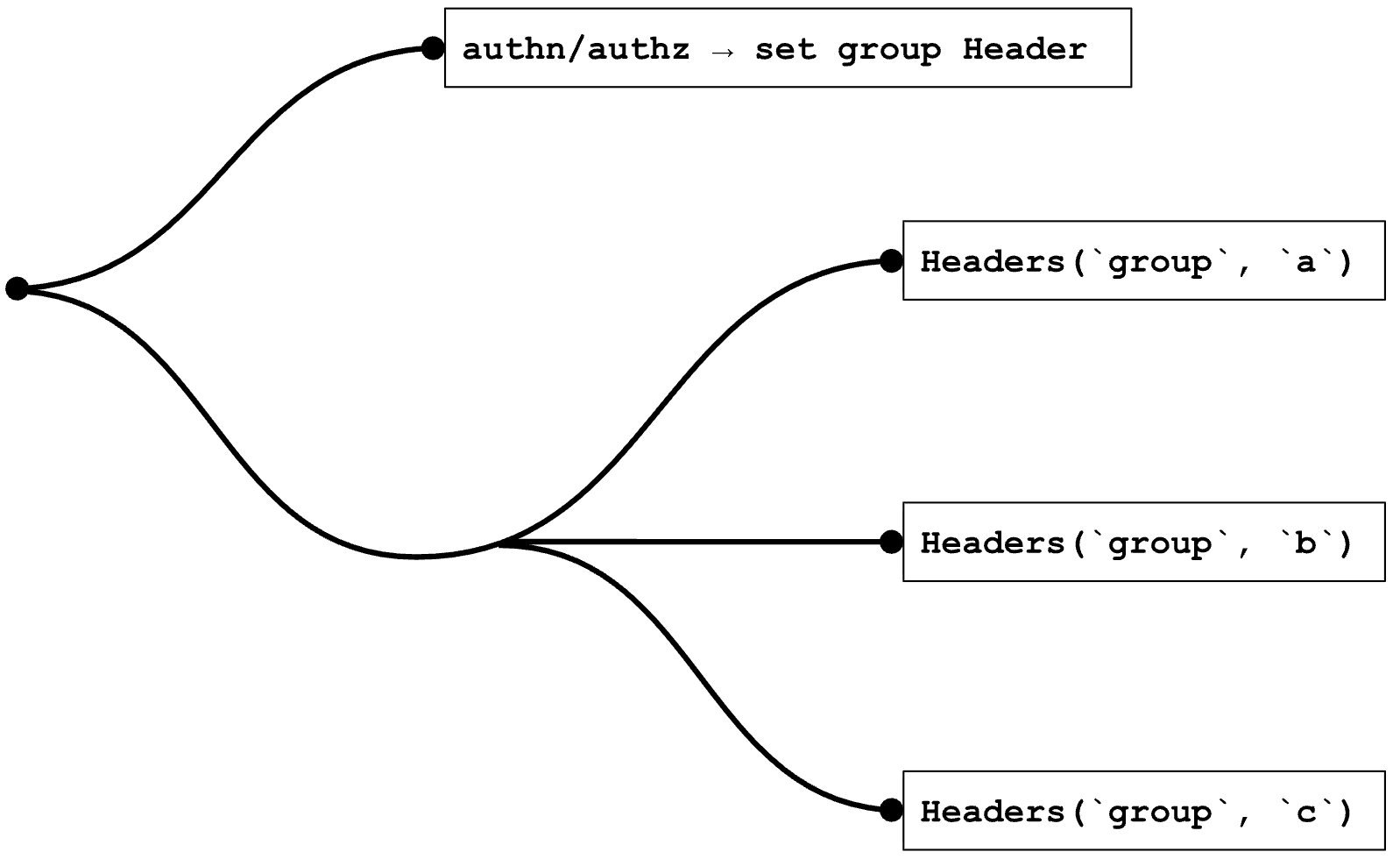
v4: Incremental Revolution
Breaking from "big bang" releases, v4 features will debut in v3.x minors. Deprecations will be signaled early, letting users migrate gradually. By v4’s launch, it’ll be a refined v3—shedding legacy weight without disruption.
The Open-Source Engine
Community contribution is Traefik’s bedrock: >50% of merged PRs come from external developers. "Someone in Japan fixes a bug that someone in Brazil discovers," Vauge observes. From KNative providers to Sablier plugins, this global collaboration has expanded Traefik far beyond its original scope. To celebrate, Traefik launched a 10th-anniversary contest: the next 50 merged PRs earn limited-edition t-shirts featuring every cheese codename (like Reblochon or Roquefort) from its release history.
A Vintage Worth Toasting
Traefik’s journey—from a solo project to 56k GitHub stars and 16 maintainers—epitomizes open-source’s power to transform infrastructure. As Vauge reflects: "The wild experimentation phase is over. Now, it’s about making cloud-native reliable, secure, and operable at scale." With its focus on seamless migrations and adaptive routing, Traefik isn’t just surviving the productivity era—it’s defining it. Here’s to the traffic we’ve routed, and the connections yet to come.
Comments
Please log in or register to join the discussion